Weight management ingredients: specify carefully, claim nothing
This category attracts more adulteration and more regulatory attention than any other in nutraceuticals. The sourcing controls have to be correspondingly tighter.
Read articlePractical guidance on buying botanical ingredients — specifications, quality, compliance and logistics, written for formulators and procurement teams.
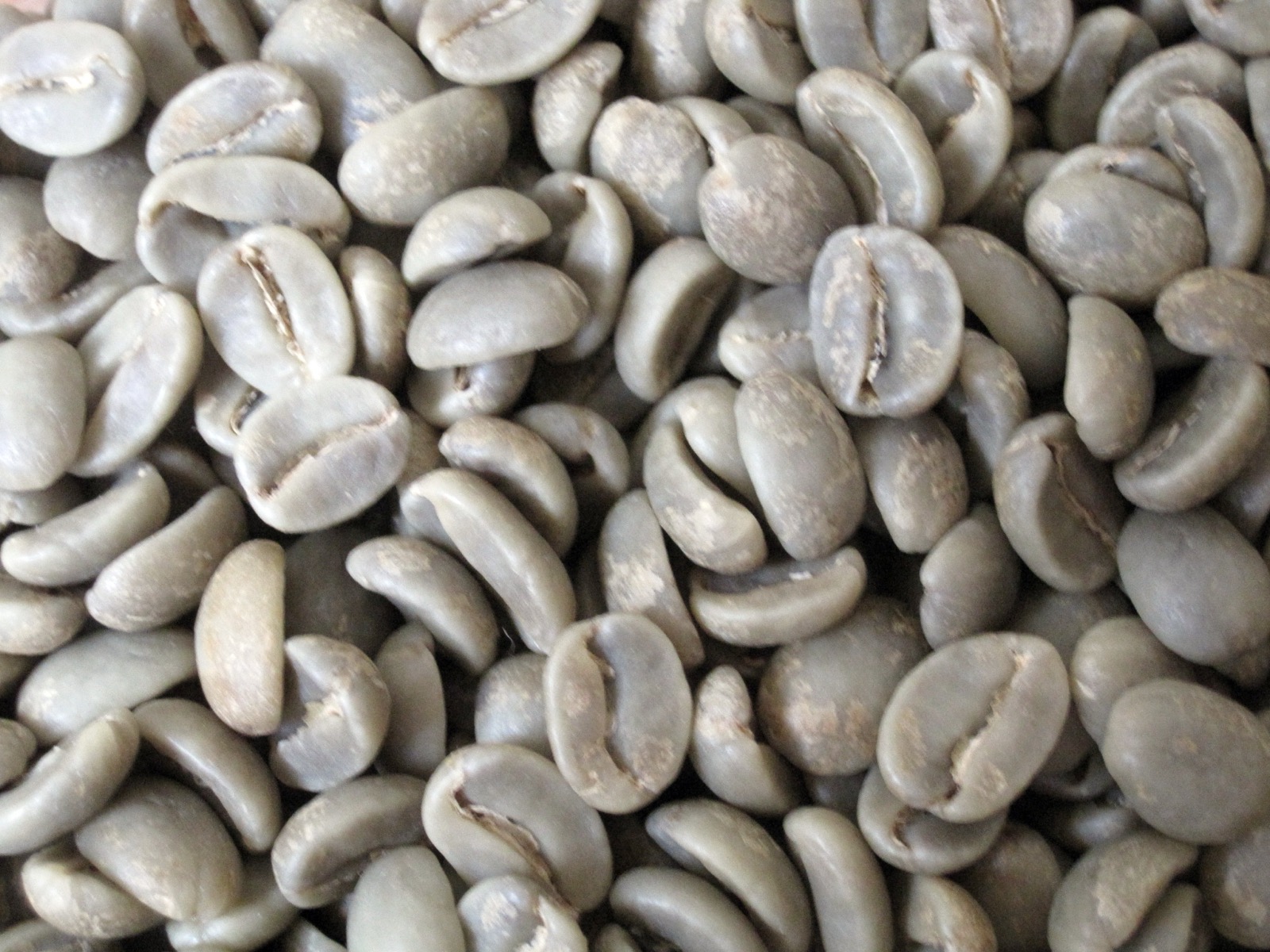
This category attracts more adulteration and more regulatory attention than any other in nutraceuticals. The sourcing controls have to be correspondingly tighter.
Read article
The two vitamin families degrade by different mechanisms. Treating them the same on a specification means protecting each of them against the wrong thing.
Read article
A blend that is perfect in the mixer can separate in the drum, in transit and in the hopper. Particle size and density are what decide whether it holds together.
Read article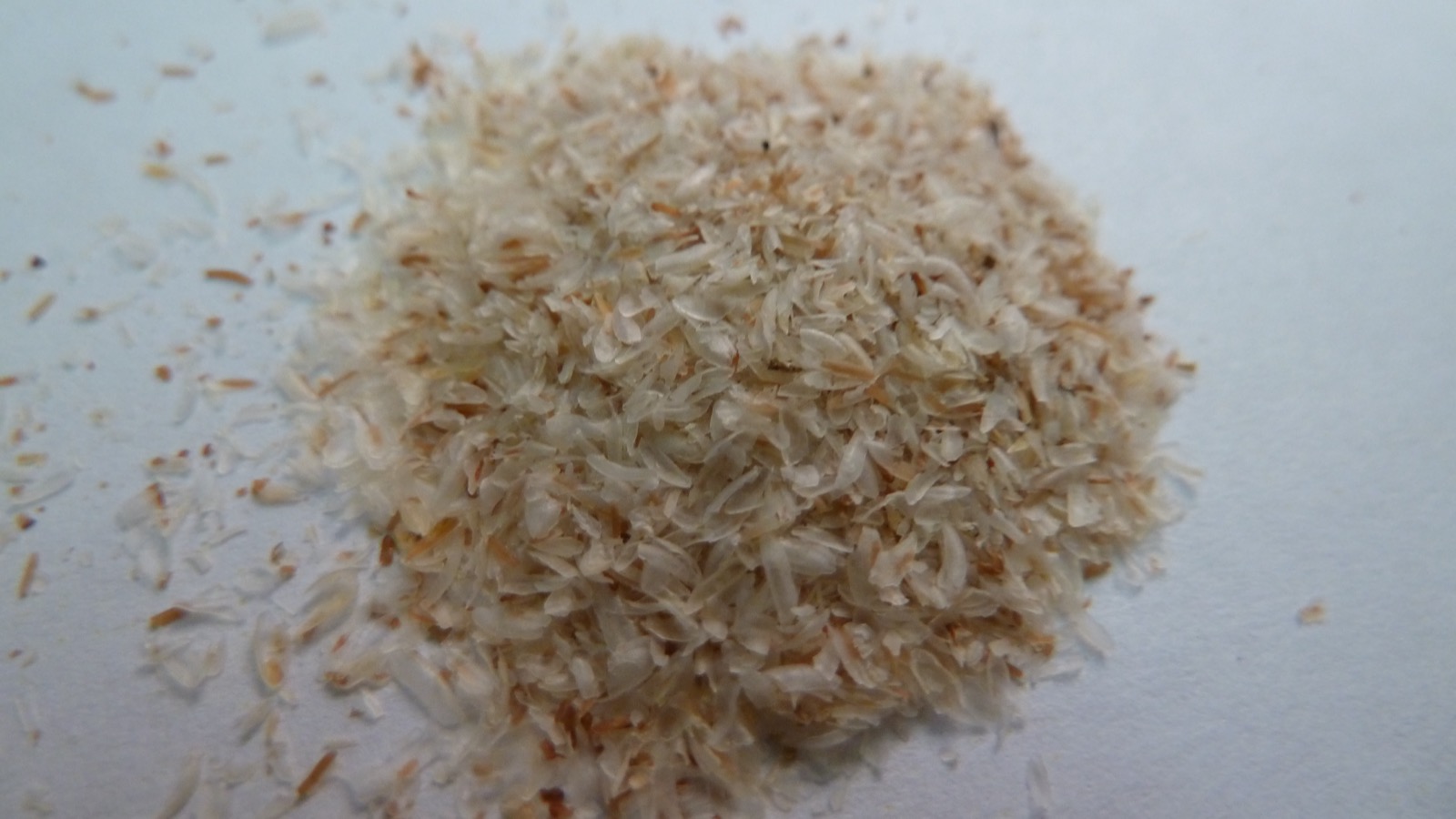
Steviol glycosides are a family of compounds with different sweetness and different aftertaste. Total glycoside content says nothing about how the material tastes.
Read article
Yeast, oat and mushroom beta-glucans share a name and little else. Their linkage structures differ, and so does the analysis needed to verify them.
Read article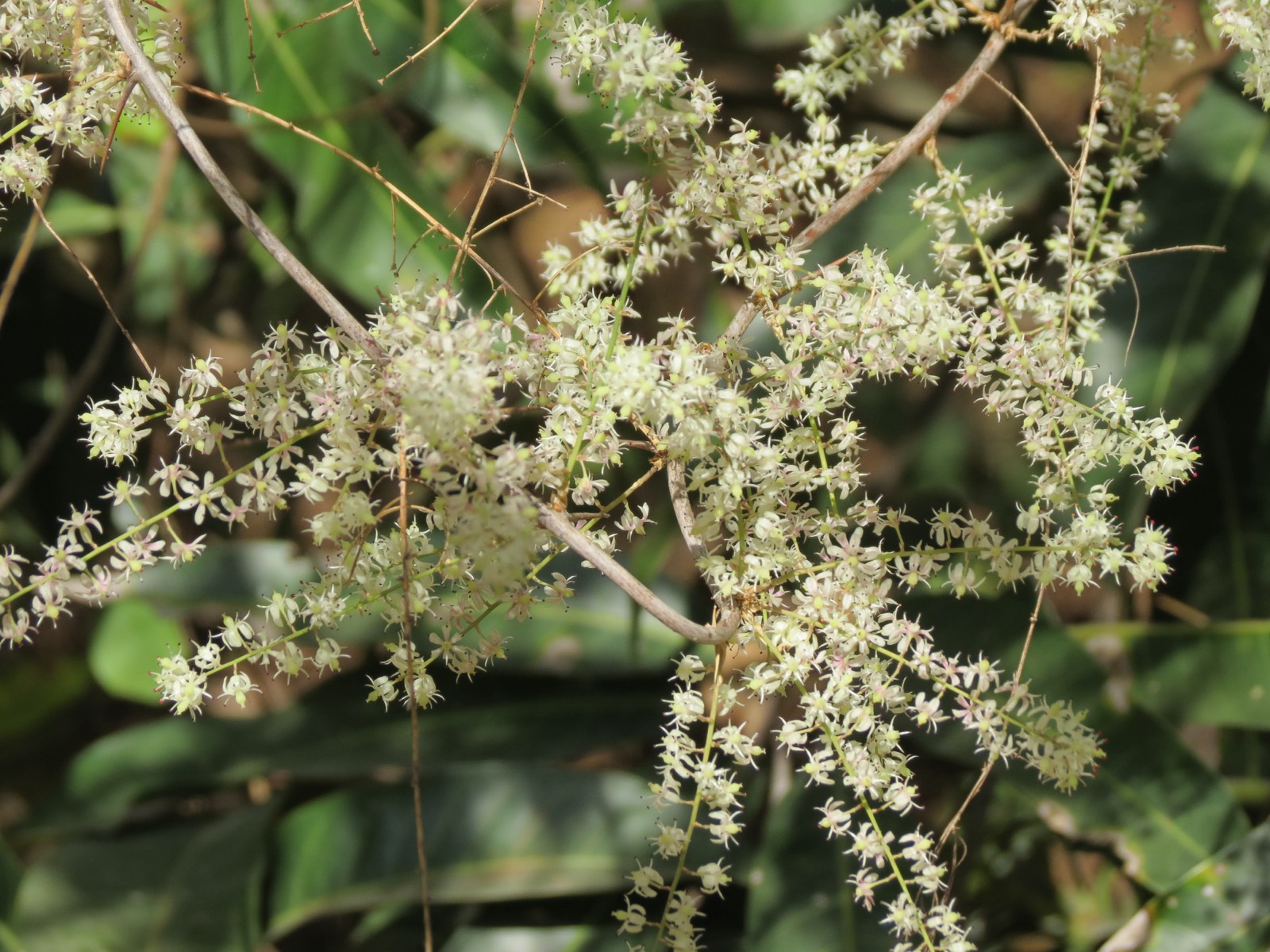
Saponin-standardised botanicals are among the easiest extracts to inflate, because the common assay method responds to compounds that were never in the plant.
Read article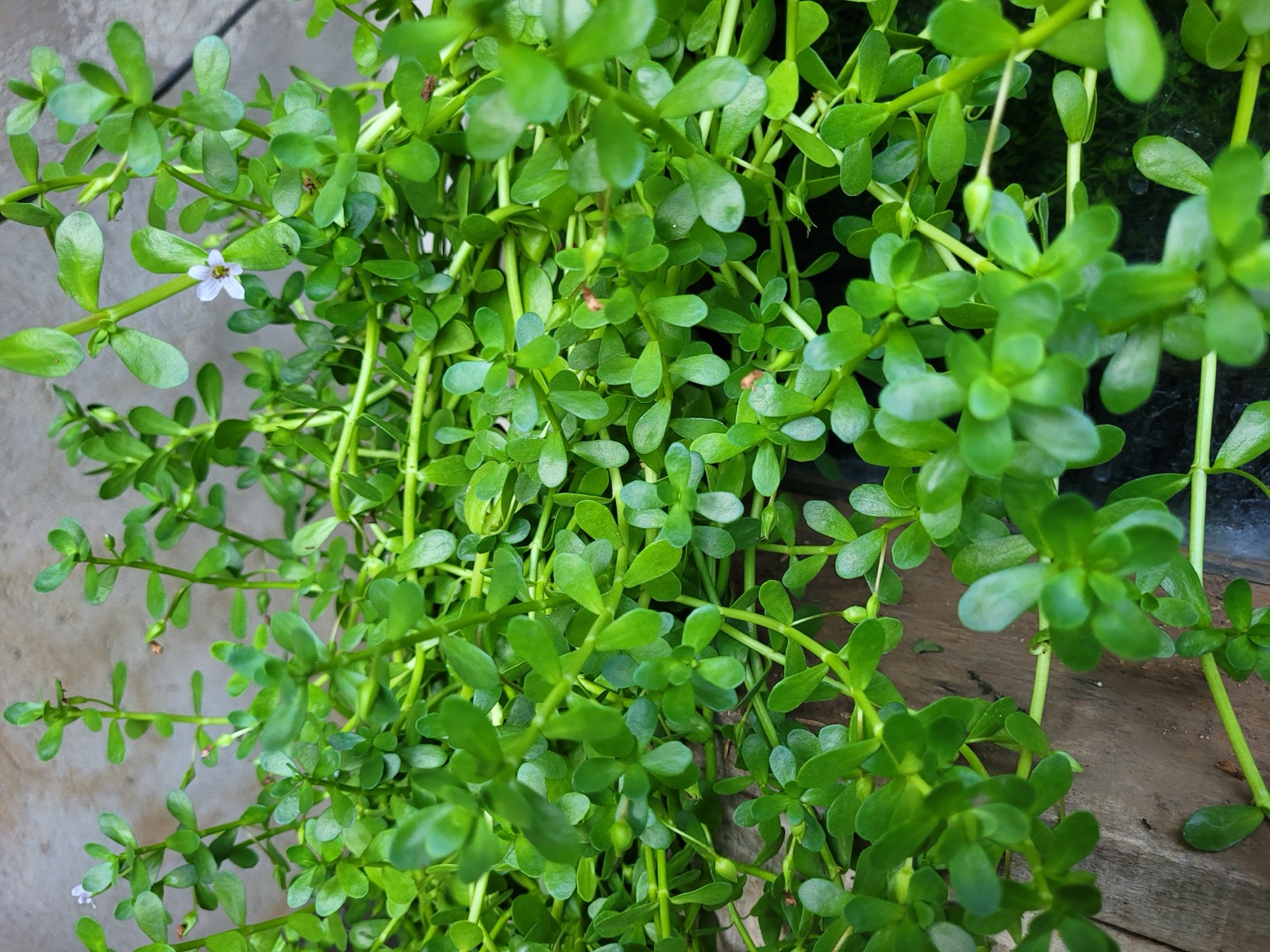
Bacopa extracts are standardised to bacosides, but the older spectrophotometric method and modern HPLC do not produce comparable figures.
Read article
Phytosterol materials are sold on total sterol content, but the composition behind that total varies with the feedstock — and regulators care about the composition.
Read article
Marigold-derived carotenoids are sold as oleoresins, oil suspensions and beadlets at wildly different strengths. Comparing them needs a common basis.
Read article
A milligram figure on an enzyme specification tells you almost nothing. Activity units are the specification, and the unit system has to be named.
Read article
Ingredients destined for sports nutrition carry a contamination risk that ordinary QC does not look for, and a certificate of analysis will not cover it.
Read article
Hydrolysed collagen is specified by average molecular weight and source. A Bloom value on the certificate usually means you are being quoted gelatin.
Read article
Antioxidant capacity assays are cheap, impressive-looking and almost useless for quality control. Here is what to specify instead.
Read article
Prebiotic fibres are sold on purity but behave according to their degree of polymerisation. That single parameter decides sweetness, solubility and process tolerance.
Read article
A probiotic quoted at 100 billion CFU per gram is quoting a number at manufacture. What matters is the count at the end of shelf life, under your storage conditions.
Read article
Two fish oils with identical EPA and DHA figures can be in completely different condition. Oxidation markers are what separate them, and they change in transit.
Read article
Almost every protein figure on a specification is nitrogen multiplied by a conversion factor. Which factor was used, and on what moisture basis, changes the number materially.
Read article
The same amino acid reaches the market by three different manufacturing routes. They differ in isomer purity, allergen risk and which certifications they can carry.
Read article
Magnesium oxide and magnesium bisglycinate are priced per kilo of compound but formulated per milligram of elemental mineral. Confusing the two is the most expensive arithmetic error in mineral sourcing.
Read article
Every vitamin premix is dosed above its label claim. How much above is a decision with cost, stability and compliance riding on it — and it belongs in writing before production.
Read article
Purity is the number every psyllium quote leads with — and the one most often misread. Here is what the percentage measures, and how to compare two quotes honestly.
Read article
Every reputable supplier sends a COA. Far fewer buyers read it closely. Here is what to check, line by line, before you release payment or approve a lot.
Read article
Two ashwagandha extracts can show the same withanolide percentage and still be very different products. The difference usually comes down to the plant part.
Read article
Contaminant testing is where botanical supply chains are won or lost. A practical look at which limits apply, which panels to request, and how often to test.
Read article
Most first-order friction is commercial, not technical. Here is how minimum order quantities, Incoterms and realistic lead times actually work in botanical export.
Read article
Standardized extracts guarantee a defined active. Full-spectrum extracts preserve the wider plant profile. Which one belongs in your formulation depends on your claim.
Read article
Organic certification is scope-specific and does not automatically travel between markets. What to confirm before you print "organic" on a label.
Read article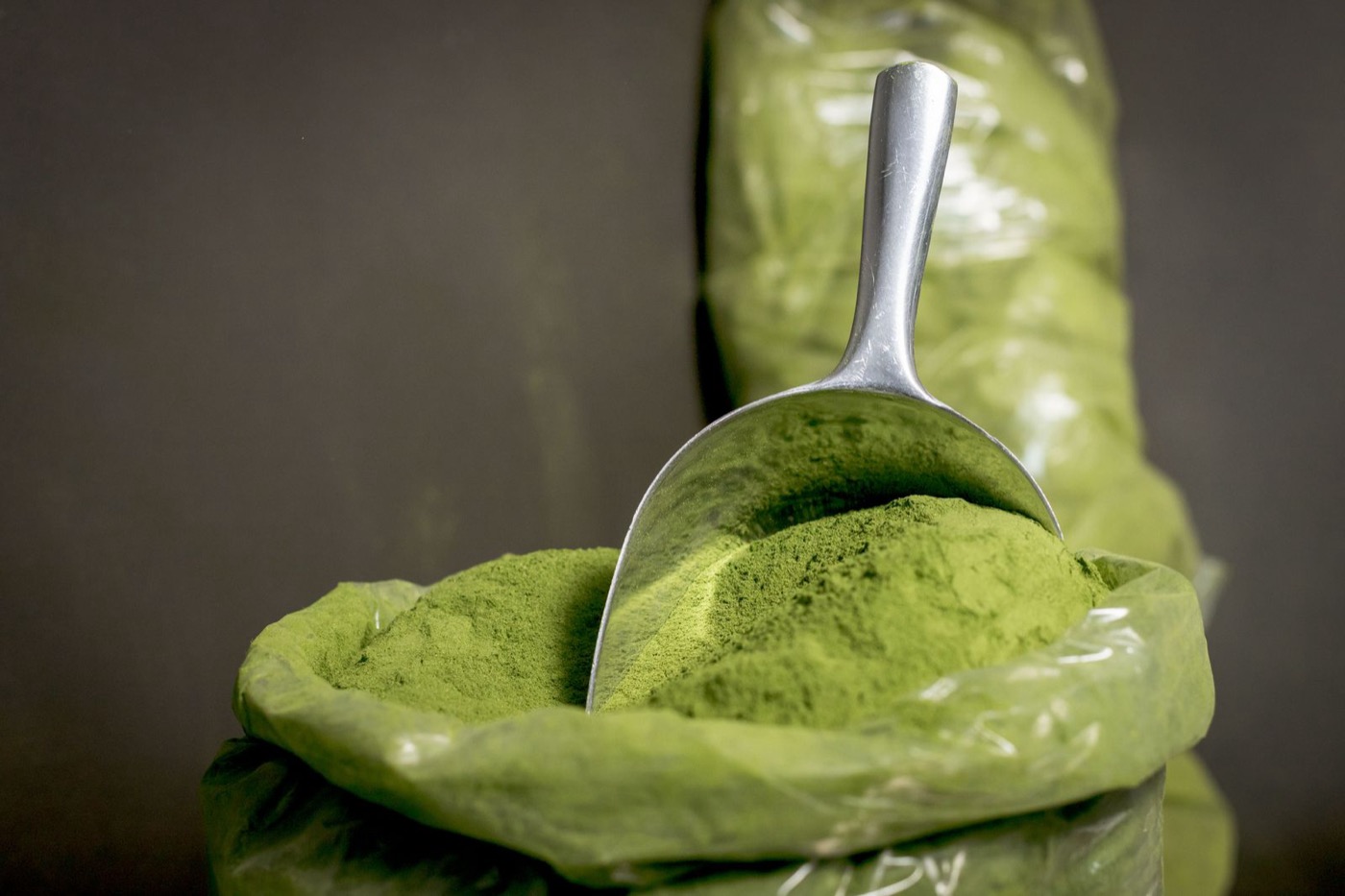
Moringa is judged on colour before anything else — but colour is a proxy, not a specification. What to write down when you buy leaf powder in bulk.
Read article
95% curcuminoids is the industry benchmark, but potency on paper is not delivery in the body. What the assay covers, and what formulators do about absorption.
Read article
A 24-month shelf life assumes storage conditions most warehouses do not guarantee. What actually degrades botanical powders, and how packaging slows it down.
Read article
Private label moves responsibility for labelling and compliance onto your brand. The points to settle with your supplier before the first run.
Read article
Website claims are easy. These are the questions, documents and small signals that separate a manufacturing partner from a trading intermediary.
Read article
Psyllium is no longer just a supplement ingredient. How its gelling behaviour works in baking, beverages and gluten-free formats — and where it causes trouble.
Read article
Ratio figures look precise and are widely quoted, but they describe input rather than output. How to interpret them, and when to insist on an assay instead.
Read article