Vitamin premix overages: why the label claim is never the batch formula
Every vitamin premix is dosed above its label claim. How much above is a decision with cost, stability and compliance riding on it — and it belongs in writing before production.
Weight management is the ingredient category where undeclared pharmaceutical adulteration turns up most often. That history shapes how the material should be bought, and how carefully the finished product should be described.
Regulators worldwide have repeatedly found weight-loss supplements spiked with undeclared drug substances — sibutramine and its analogues most notoriously, along with laxatives and diuretics. The adulteration typically happens upstream, in the ingredient or in a "proprietary blend" bought from a broker. A finished-product manufacturer testing only against its own specification will not find it, because the specification does not look for compounds nobody declared.
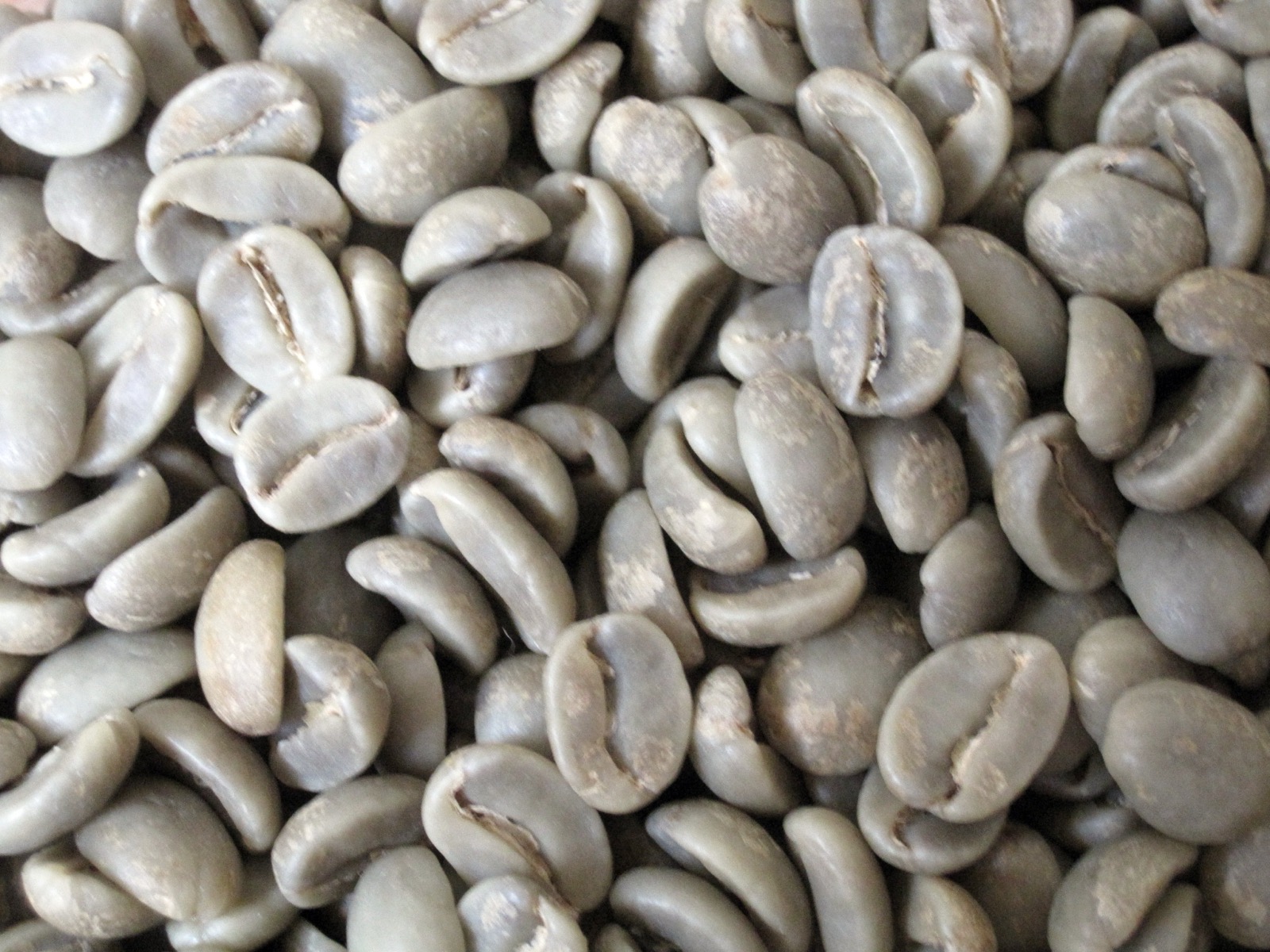
Most legitimate materials in this category are ordinary botanical extracts and should be specified as such — named marker by HPLC, plant part, extract ratio, solvent, carrier, and the standard contaminant panel. Garcinia should be specified on hydroxycitric acid by HPLC; green coffee on chlorogenic acids; green tea on EGCG, with attention to the total catechin content, since several markets impose limits on EGCG in food supplements.
The commercial risk in this category is rarely the ingredient specification. It is the claim made on the finished product. Ingredient suppliers do not control that, but they should be clear in writing about what the material is and is not — we supply specification data and identity, and the customer's own regulatory affairs function decides what may be said about it in their market. Being explicit about that division of responsibility protects both sides.

Every vitamin premix is dosed above its label claim. How much above is a decision with cost, stability and compliance riding on it — and it belongs in writing before production.
Magnesium oxide and magnesium bisglycinate are priced per kilo of compound but formulated per milligram of elemental mineral. Confusing the two is the most expensive arithmetic error in mineral sourcing.

The same amino acid reaches the market by three different manufacturing routes. They differ in isomer purity, allergen risk and which certifications they can carry.