Vitamin premix overages: why the label claim is never the batch formula
Every vitamin premix is dosed above its label claim. How much above is a decision with cost, stability and compliance riding on it — and it belongs in writing before production.
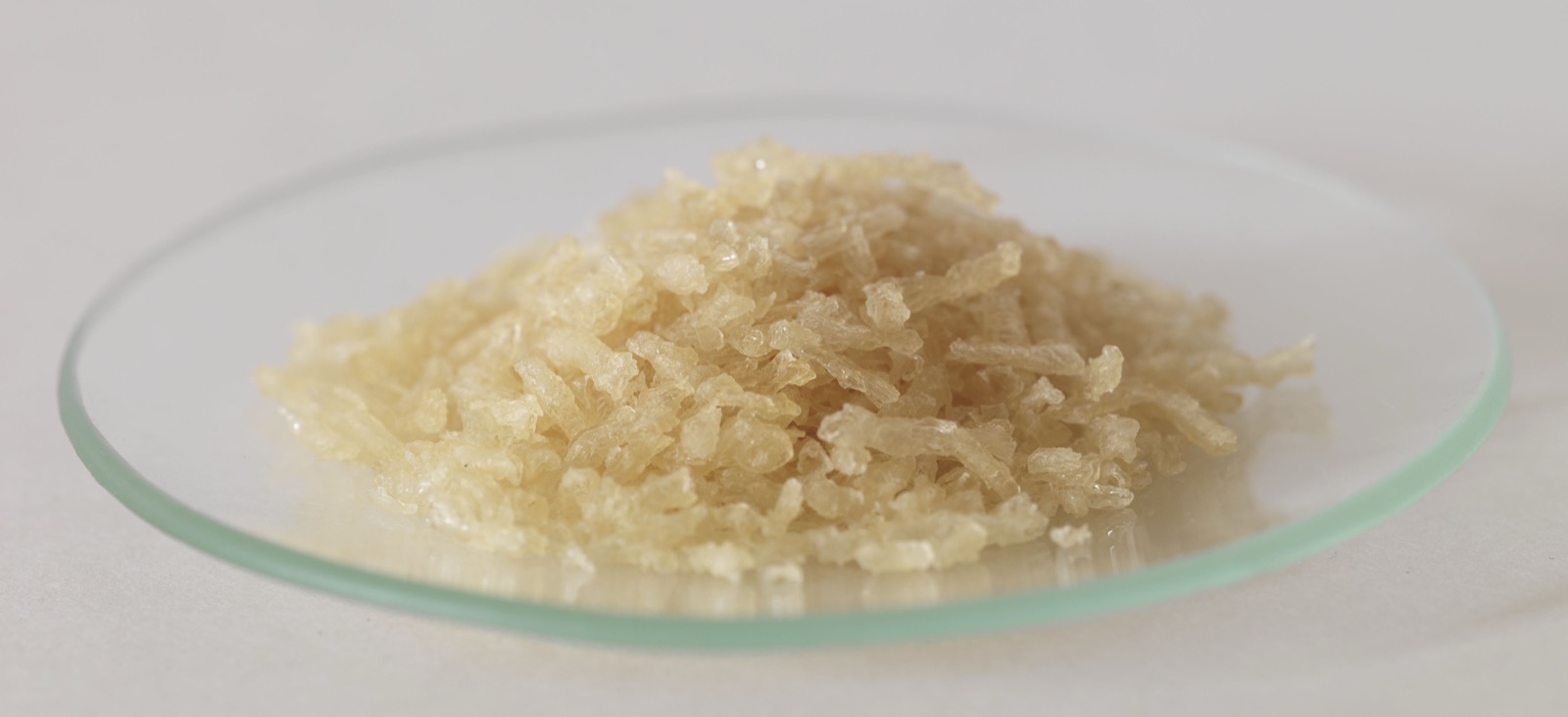
Collagen peptides and gelatin are the same protein at different degrees of hydrolysis, and the specification that tells them apart is short. It is worth knowing which one is in the quote.
Gelatin gels. Collagen peptides do not — they are hydrolysed far enough that gelling capacity is gone, which is exactly why they dissolve cold and stay clear in a beverage. Bloom strength measures gel firmness, so a meaningful Bloom value on a peptide certificate is a contradiction: either the material is not fully hydrolysed, or the parameter has been copied across from a gelatin datasheet. Both are worth a question.
This is the defining parameter for peptides, typically 2,000 to 5,000 daltons for standard grades and lower for specialised ones. It drives solubility, viscosity in solution and mouthfeel. Specify the average with a range, and ask which method produced it — gel permeation chromatography is the usual answer, and results are not comparable across methods.
Source also determines the collagen type, and type is what the downstream marketing claim usually rests on. Type I and III come from skin and bone; type II from cartilage. A specification should name the type as well as the animal.
Every collagen peptide looks the same as a white powder. Dissolve the sample at the concentration and temperature your product uses, and judge it on clarity, odour and taste. That five-minute test rejects more unsuitable material than the certificate does.

Every vitamin premix is dosed above its label claim. How much above is a decision with cost, stability and compliance riding on it — and it belongs in writing before production.
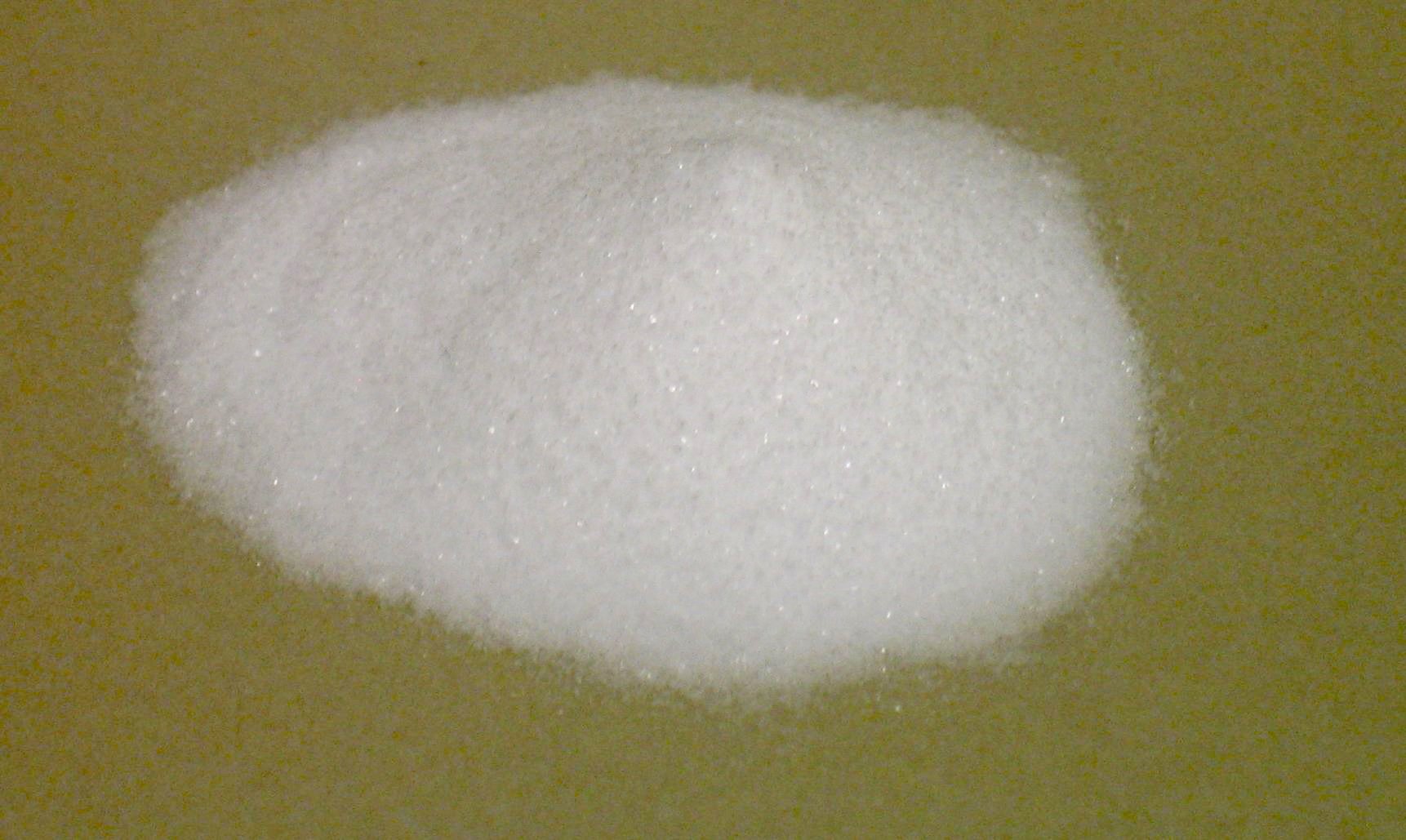
Magnesium oxide and magnesium bisglycinate are priced per kilo of compound but formulated per milligram of elemental mineral. Confusing the two is the most expensive arithmetic error in mineral sourcing.

The same amino acid reaches the market by three different manufacturing routes. They differ in isomer purity, allergen risk and which certifications they can carry.