Vitamin premix overages: why the label claim is never the batch formula
Every vitamin premix is dosed above its label claim. How much above is a decision with cost, stability and compliance riding on it — and it belongs in writing before production.
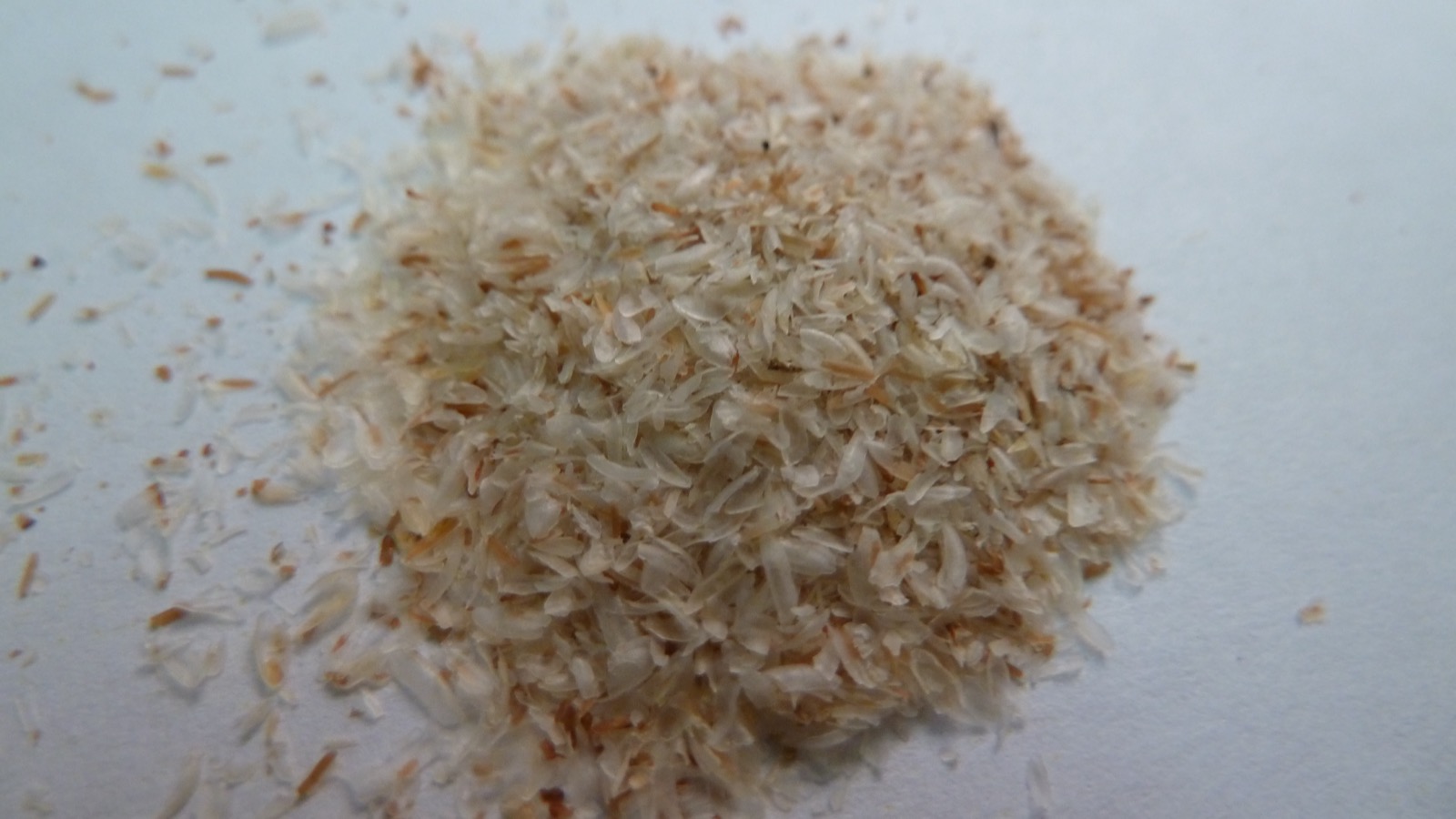
Two stevia extracts both meeting "95% total steviol glycosides" can taste entirely different. The total is a purity specification; the profile within it is the product.
A material described only as "Stevia 95%" is almost certainly stevioside-dominant. That is a legitimate ingredient at a legitimate price, but it is not interchangeable with Reb M in a formulation, and substituting one for the other will be noticed by consumers immediately.
Reb M produced by enzymatic bioconversion from Reb A, or by fermentation, is a different regulatory and labelling proposition from leaf-extracted material in several markets. If your positioning depends on a "natural" or "leaf-derived" claim, the production route needs to be confirmed and documented before you commit, not assumed from the name.
Sweetener performance is matrix-dependent to an unusual degree — acidity, temperature and the rest of the flavour system all interact with the aftertaste. Approve stevia on a bench trial in your actual formulation, at your actual use level. No certificate substitutes for that, and the material that wins the tasting is frequently not the one that won on paper.
Every vitamin premix is dosed above its label claim. How much above is a decision with cost, stability and compliance riding on it — and it belongs in writing before production.
Magnesium oxide and magnesium bisglycinate are priced per kilo of compound but formulated per milligram of elemental mineral. Confusing the two is the most expensive arithmetic error in mineral sourcing.

The same amino acid reaches the market by three different manufacturing routes. They differ in isomer purity, allergen risk and which certifications they can carry.