Vitamin premix overages: why the label claim is never the batch formula
Every vitamin premix is dosed above its label claim. How much above is a decision with cost, stability and compliance riding on it — and it belongs in writing before production.
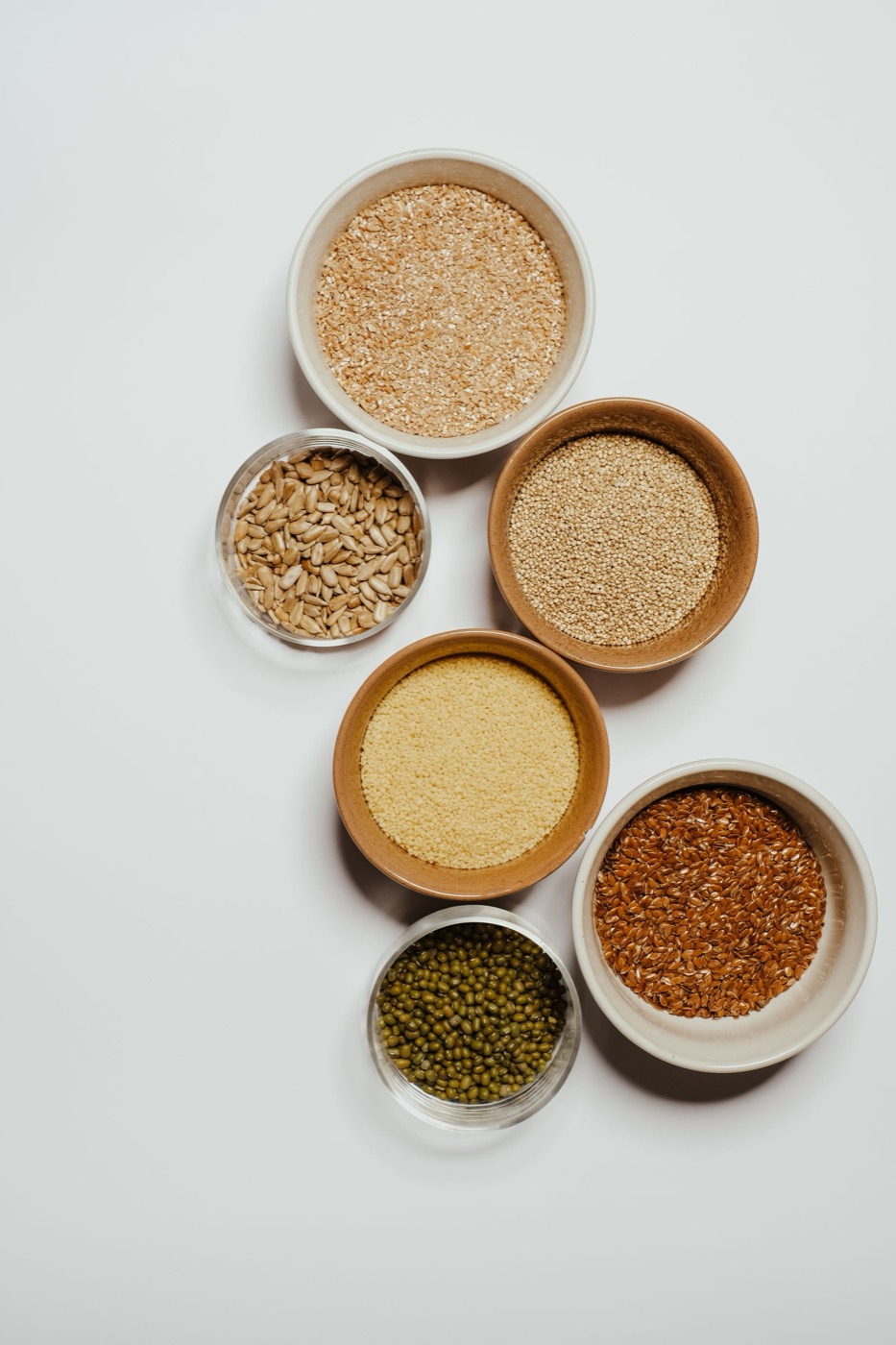
Ask three Indian suppliers for psyllium husk and you will get three purity figures. Understanding what that number actually measures is the difference between comparing quotes and guessing.
Psyllium husk purity refers to the proportion of husk in the material, with the balance being residual seed, fines and other plant matter left after milling and sieving. A 98% purity husk contains 2% non-husk material by weight.
It is not a measure of fibre content, and it is not a quality grade in any regulatory sense. It describes how thoroughly the husk has been separated from the seed.
Getting from 95% to 99% takes additional sieving passes, and each pass costs yield. That cost lands in your price. The question is not "what is the highest purity available" but "what does my application actually need".
Purity alone will not tell you how the material performs. Ask for these on the same specification sheet:
Send every supplier the same written specification — purity, swell volume, mesh, moisture and your testing requirements — and ask them to quote against it. A quote against an unspecified grade is not a price you can compare.
Every vitamin premix is dosed above its label claim. How much above is a decision with cost, stability and compliance riding on it — and it belongs in writing before production.
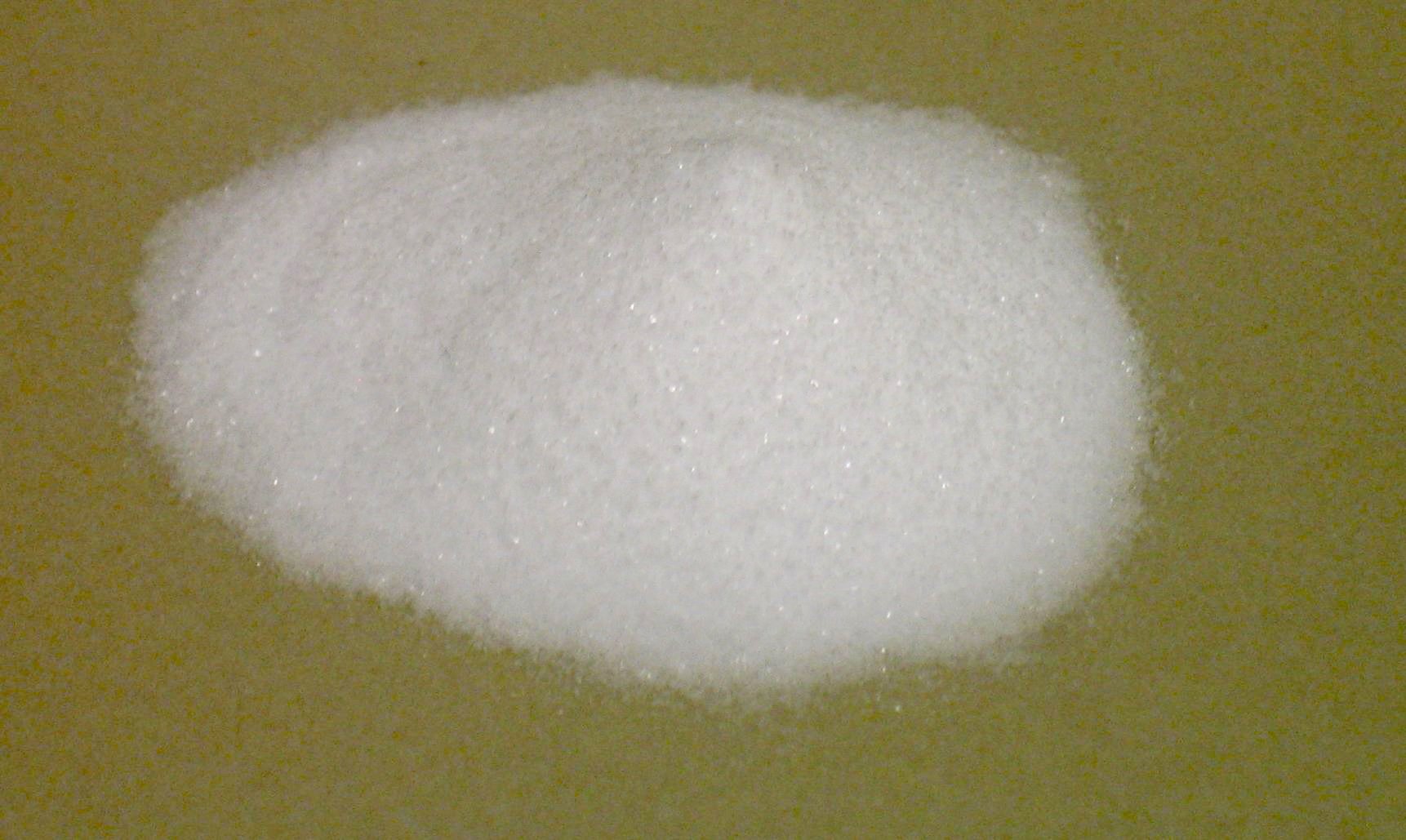
Magnesium oxide and magnesium bisglycinate are priced per kilo of compound but formulated per milligram of elemental mineral. Confusing the two is the most expensive arithmetic error in mineral sourcing.

The same amino acid reaches the market by three different manufacturing routes. They differ in isomer purity, allergen risk and which certifications they can carry.