Vitamin premix overages: why the label claim is never the batch formula
Every vitamin premix is dosed above its label claim. How much above is a decision with cost, stability and compliance riding on it — and it belongs in writing before production.
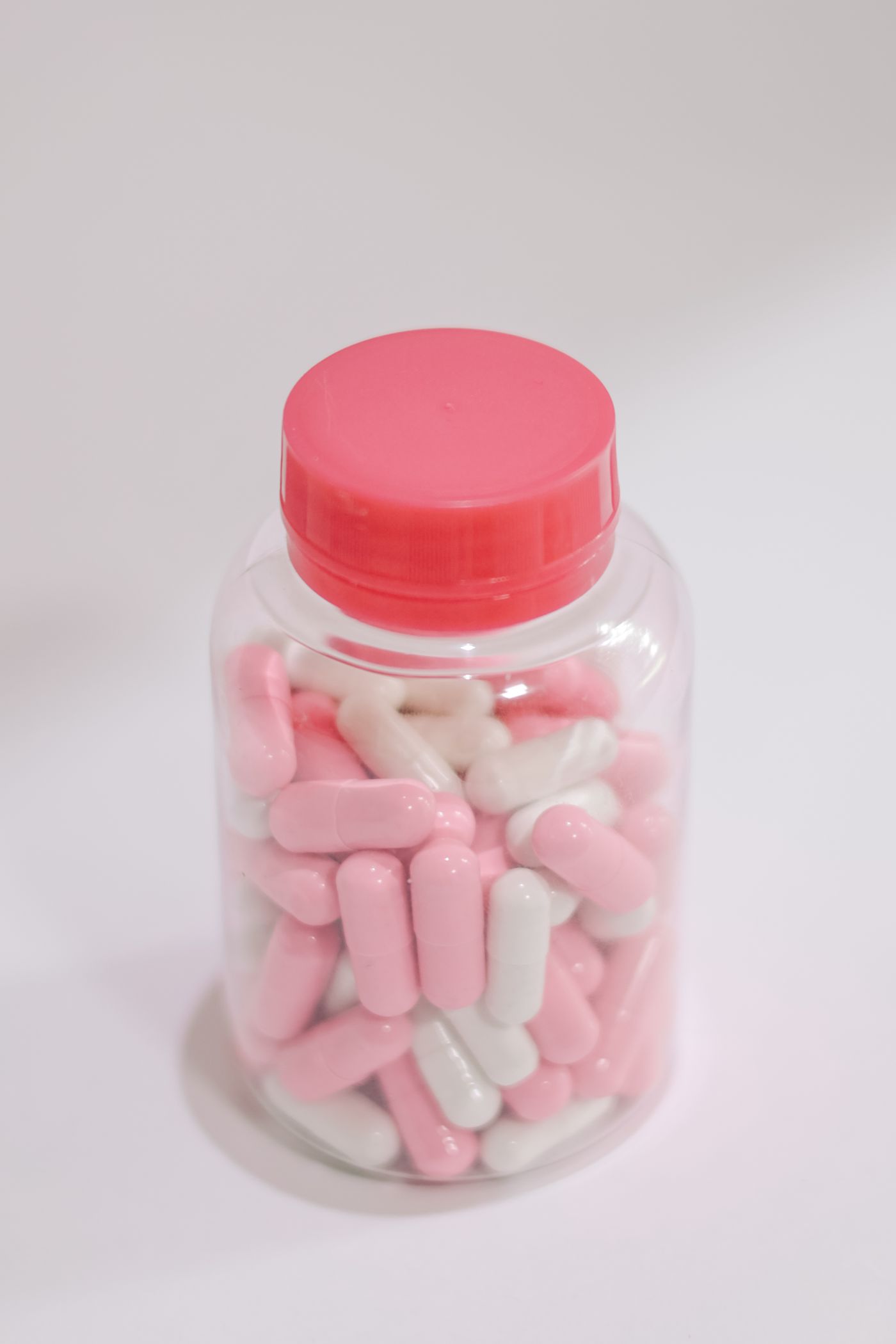
Private label shortens your route to market, but it also moves responsibility for labelling accuracy and market compliance squarely onto your brand. The time to settle the details is before production, not after.
The finished product specification — actives, limits, packaging format, labelling text — should be a document you own and issue, not something inferred from a sample. That is what your supplier manufactures against and what you can hold them to.
Ingredient declarations, allergen statements, nutrition panels and permitted claims differ between the United States, Canada and other markets. Your supplier can print what you specify; confirming that it complies in your destination market is your responsibility.
Have labelling reviewed by someone competent in that market before a print run — reprints are expensive and slow.
Settle in writing which tests are run, by whom, and at which stage; what constitutes a rejectable lot; and how disputes are resolved. Also agree retention samples — a documented retained sample from each lot is invaluable if a complaint arises months later.
Run a modest first production, evaluate the finished goods properly against your specification, and only then scale. Tooling, artwork and packaging minimums make mistakes at volume considerably more painful.

Every vitamin premix is dosed above its label claim. How much above is a decision with cost, stability and compliance riding on it — and it belongs in writing before production.
Magnesium oxide and magnesium bisglycinate are priced per kilo of compound but formulated per milligram of elemental mineral. Confusing the two is the most expensive arithmetic error in mineral sourcing.

The same amino acid reaches the market by three different manufacturing routes. They differ in isomer purity, allergen risk and which certifications they can carry.