Vitamin premix overages: why the label claim is never the batch formula
Every vitamin premix is dosed above its label claim. How much above is a decision with cost, stability and compliance riding on it — and it belongs in writing before production.
The choice between a standardized and a full-spectrum extract is not a quality question. It is a question about what your product claims and how you intend to prove it.
A standardized extract is processed to deliver a defined percentage of a marker compound — withanolides, curcuminoids, bacosides. That consistency is what makes label claims and clinical dosing possible.
It also makes lots comparable. If your specification says 5% withanolides by HPLC, every lot is measured against the same yardstick.
A full-spectrum or native extract aims to retain the plant's broader constituent profile in roughly natural proportions. Formulators who favour it argue that isolated markers do not represent the whole plant's traditional use.
The trade-off is variability: without standardization, active content moves with the harvest.
A 10:1 ratio describes how much raw material went in, not how much active came out. Where both are available, a stated assay is the more meaningful specification. Treat the ratio as supporting information rather than a substitute.
Whichever form you choose, write it down: plant part, extraction solvent, assay and method, and ratio if applicable. Suppliers can only quote like-for-like when the specification is unambiguous.

Every vitamin premix is dosed above its label claim. How much above is a decision with cost, stability and compliance riding on it — and it belongs in writing before production.
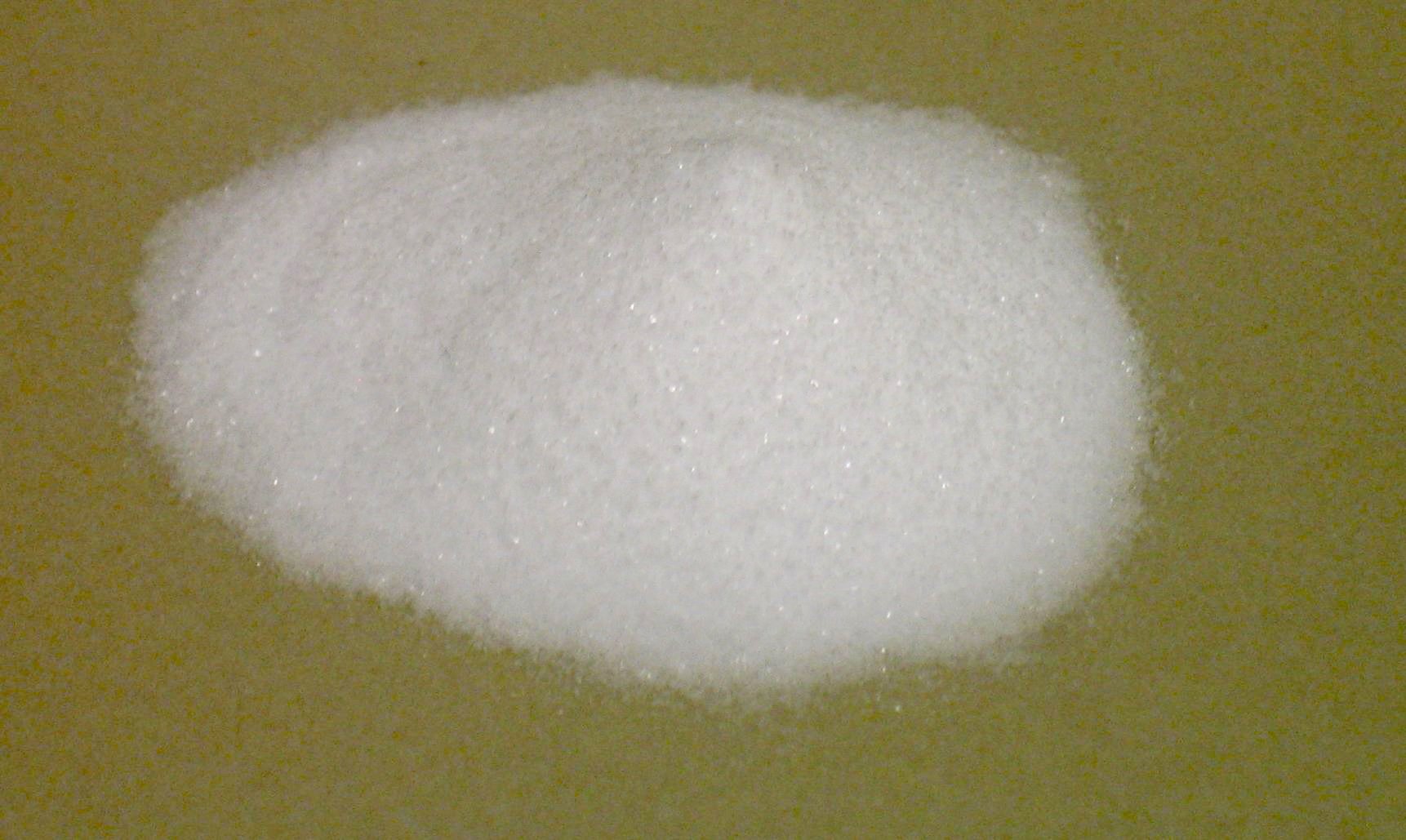
Magnesium oxide and magnesium bisglycinate are priced per kilo of compound but formulated per milligram of elemental mineral. Confusing the two is the most expensive arithmetic error in mineral sourcing.

The same amino acid reaches the market by three different manufacturing routes. They differ in isomer purity, allergen risk and which certifications they can carry.