Vitamin premix overages: why the label claim is never the batch formula
Every vitamin premix is dosed above its label claim. How much above is a decision with cost, stability and compliance riding on it — and it belongs in writing before production.
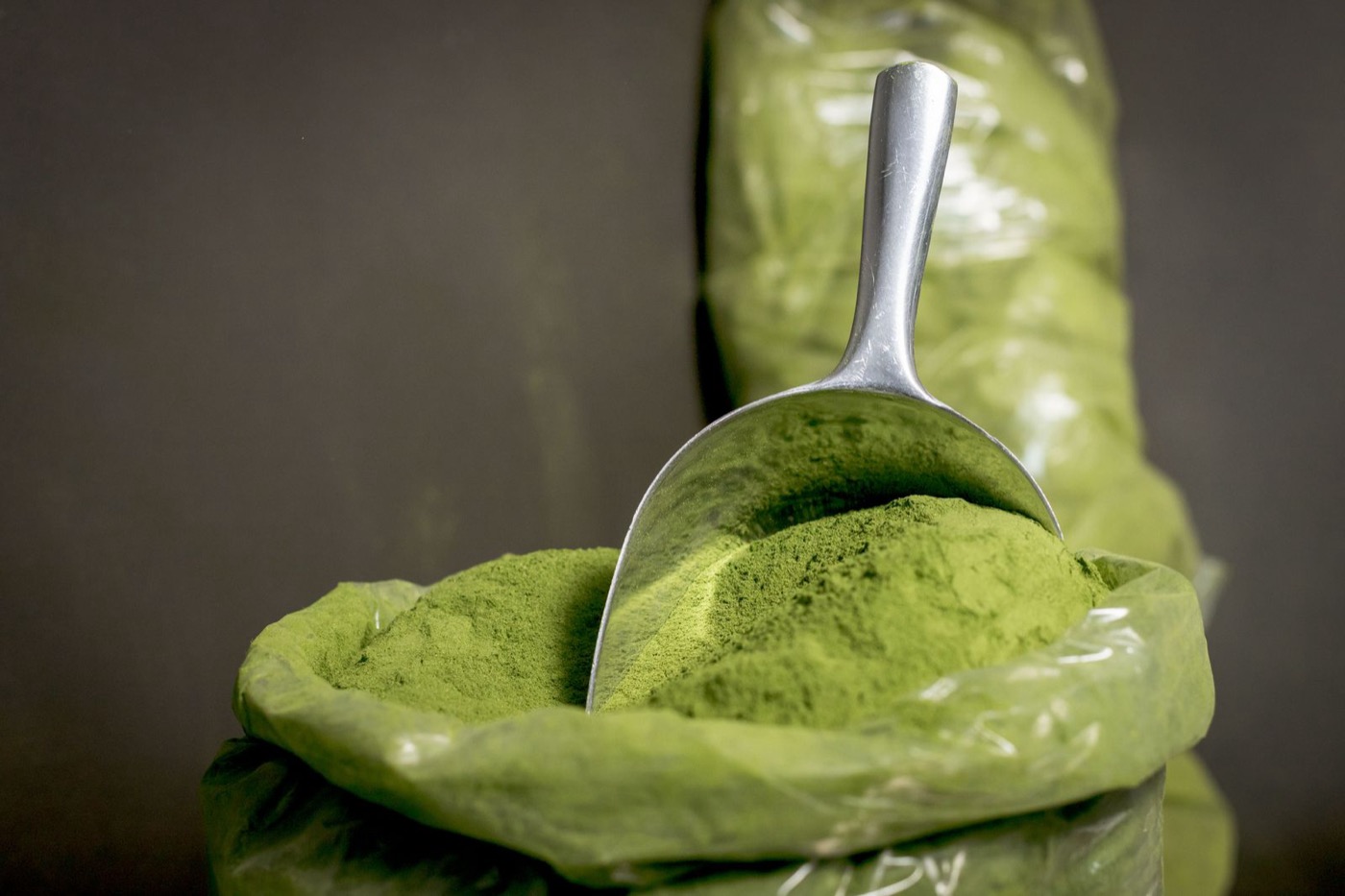
Moringa leaf powder is usually judged first on colour. Colour is a useful proxy for how the leaf was dried and handled, but it is not a specification you can hold a supplier to.
Shade drying preserves colour and heat-sensitive constituents better than direct sun or high-temperature mechanical drying. It also takes longer and costs more, which is precisely why the difference shows up in price.
Ask how the leaf was dried, and treat "shade dried" as a specification line rather than marketing language.
A vivid green suggests careful drying and fresh material. But colour can also be influenced by blending and by how recently the lot was milled. Use it as a first-pass screen, then rely on the analytical data.
Moringa fades. Light, heat and oxygen all degrade colour and nutrient content over time. Specify packaging with an appropriate barrier, and plan your ordering so material is used well within its shelf life rather than stored at length.
Because leaf powders vary more than extracts, evaluate a representative sample against your full specification — including microbiology — before committing to a bulk order.

Every vitamin premix is dosed above its label claim. How much above is a decision with cost, stability and compliance riding on it — and it belongs in writing before production.
Magnesium oxide and magnesium bisglycinate are priced per kilo of compound but formulated per milligram of elemental mineral. Confusing the two is the most expensive arithmetic error in mineral sourcing.

The same amino acid reaches the market by three different manufacturing routes. They differ in isomer purity, allergen risk and which certifications they can carry.