Vitamin premix overages: why the label claim is never the batch formula
Every vitamin premix is dosed above its label claim. How much above is a decision with cost, stability and compliance riding on it — and it belongs in writing before production.
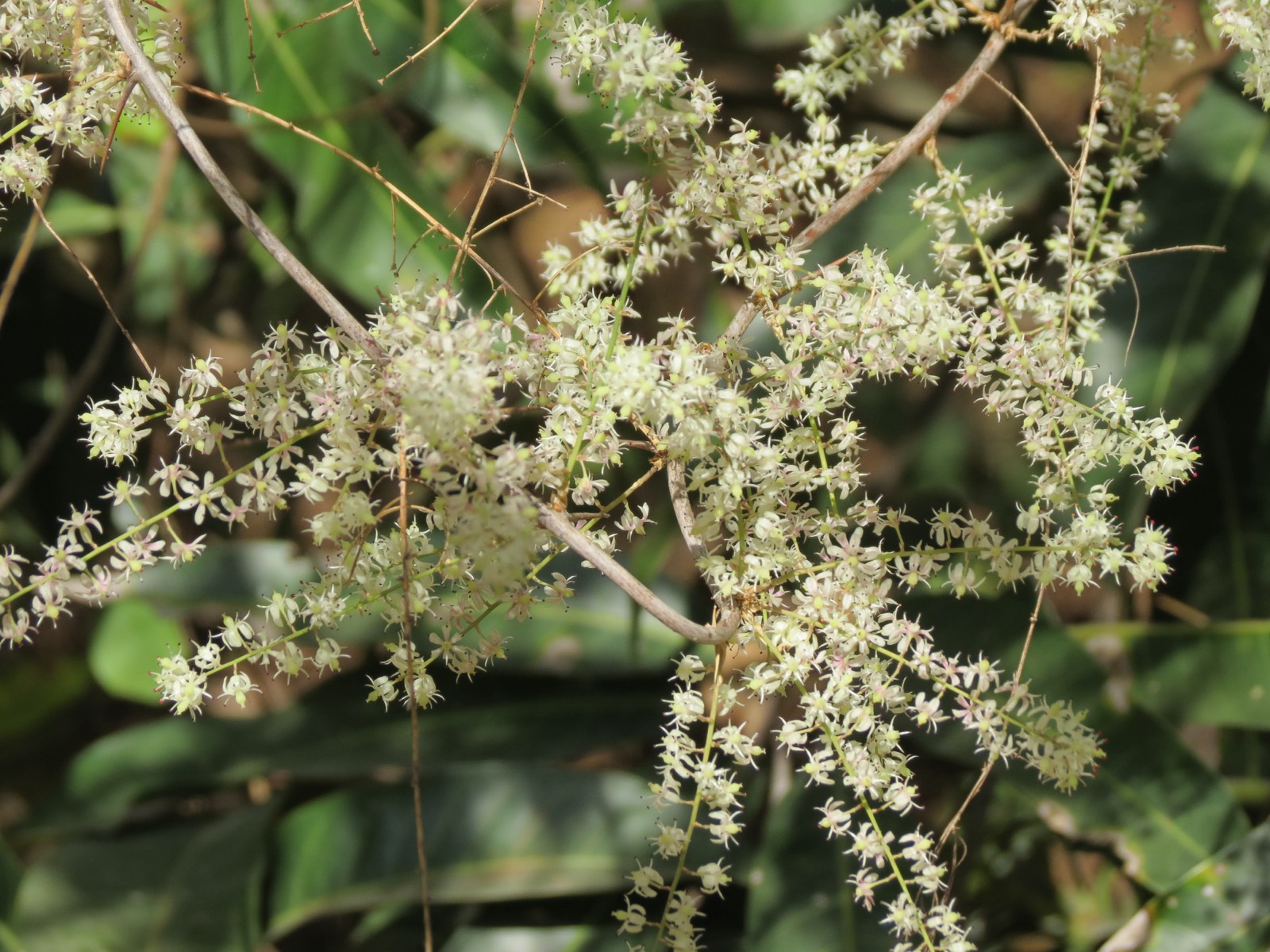
Saponin percentages are the softest numbers in the botanical extract trade. The gravimetric and colourimetric methods behind most of them will happily count material that has nothing to do with the herb.
Saponins are a structurally diverse class, so there is no single compound to measure. The common approaches are:
Both are cheap and fast, and both can be inflated by adding almost any suitable bulk material. This is well known within the trade, and it is why a saponin figure alone should never be the basis of a purchase.
Wherever the plant has a defined marker, specify that marker by HPLC:
Where no validated marker method exists, a chromatographic fingerprint compared to a retained reference batch is the next best control, and it is far harder to defeat than a colourimetric total.
Ask for a retained reference sample from the batch you approve, and keep it. Fingerprinting a future delivery against a physical reference you hold is the most effective adulteration check available to a buyer, and it costs almost nothing to set up at the start of a relationship.
Every vitamin premix is dosed above its label claim. How much above is a decision with cost, stability and compliance riding on it — and it belongs in writing before production.
Magnesium oxide and magnesium bisglycinate are priced per kilo of compound but formulated per milligram of elemental mineral. Confusing the two is the most expensive arithmetic error in mineral sourcing.

The same amino acid reaches the market by three different manufacturing routes. They differ in isomer purity, allergen risk and which certifications they can carry.