Vitamin premix overages: why the label claim is never the batch formula
Every vitamin premix is dosed above its label claim. How much above is a decision with cost, stability and compliance riding on it — and it belongs in writing before production.
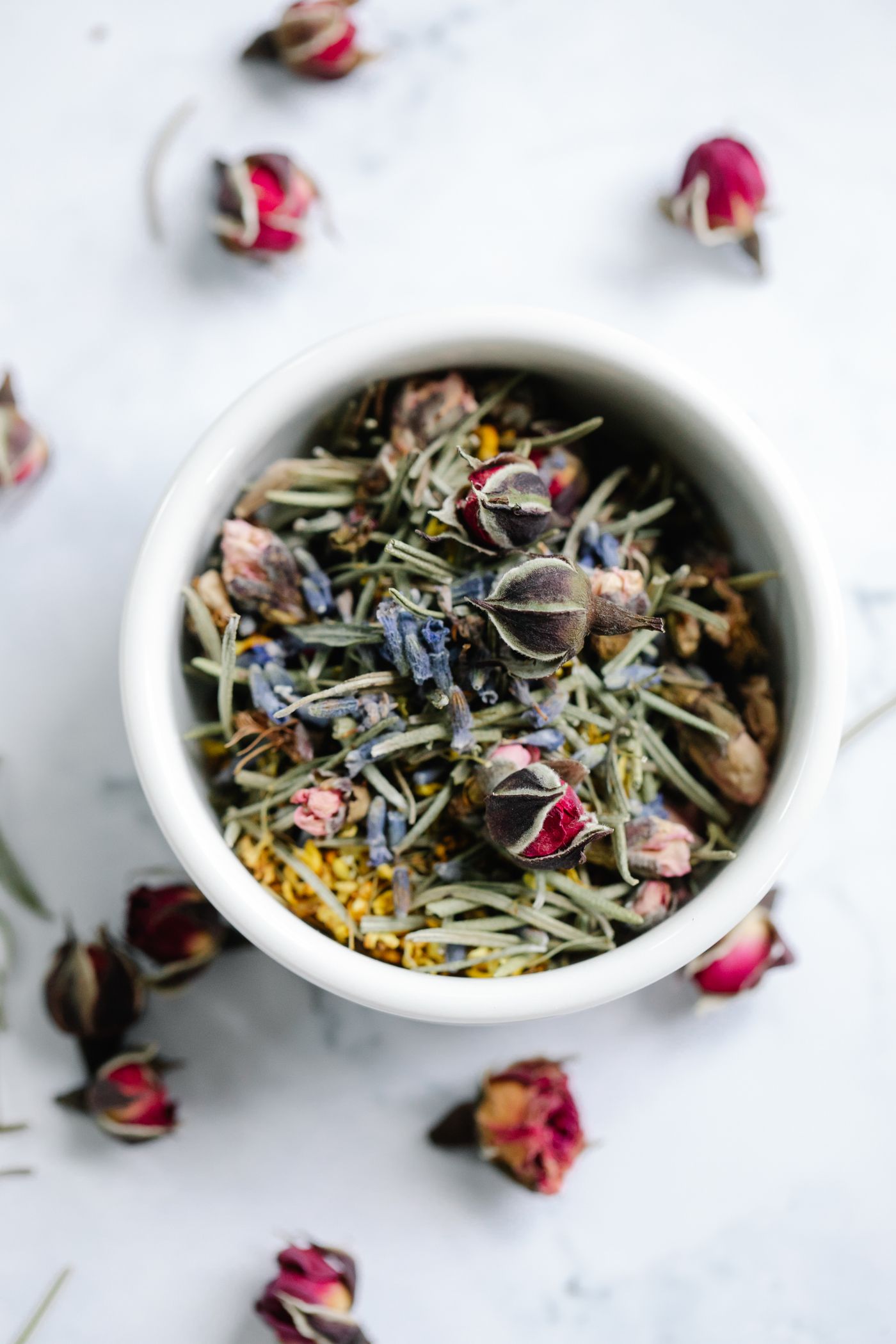
Psyllium has moved well beyond fibre capsules. Its ability to form a gel makes it genuinely useful in food formulation — and genuinely difficult if you treat it like any other powder.
Psyllium husk absorbs many times its weight in water and forms a viscous gel. That single behaviour explains both its physiological effects and its formulation uses: it binds, thickens and holds moisture.
Swell volume, not purity, is the specification that predicts this behaviour. Ask for it.
In gluten-free systems, psyllium provides some of the structure and elasticity that gluten otherwise would. It improves crumb, reduces crumbliness and helps retain moisture, which extends perceived freshness.
Typical use levels are modest — overdose and the product turns gummy and dense. Small increments during development are far more productive than large ones.
The property that makes psyllium useful also makes it awkward in liquids: it hydrates instantly at the surface and forms lumps. Finer mesh powders disperse better than coarse husk, and dry-blending with other ingredients before adding liquid helps considerably.
For ready-to-mix products, particle size and blend design deserve as much attention as the fibre content itself.
Baking, beverages and capsules do not want the same material. Tell your supplier what you are making, not just which product you want to buy — the right mesh and grade for the job is a conversation worth having.

Every vitamin premix is dosed above its label claim. How much above is a decision with cost, stability and compliance riding on it — and it belongs in writing before production.
Magnesium oxide and magnesium bisglycinate are priced per kilo of compound but formulated per milligram of elemental mineral. Confusing the two is the most expensive arithmetic error in mineral sourcing.

The same amino acid reaches the market by three different manufacturing routes. They differ in isomer purity, allergen risk and which certifications they can carry.