Vitamin premix overages: why the label claim is never the batch formula
Every vitamin premix is dosed above its label claim. How much above is a decision with cost, stability and compliance riding on it — and it belongs in writing before production.
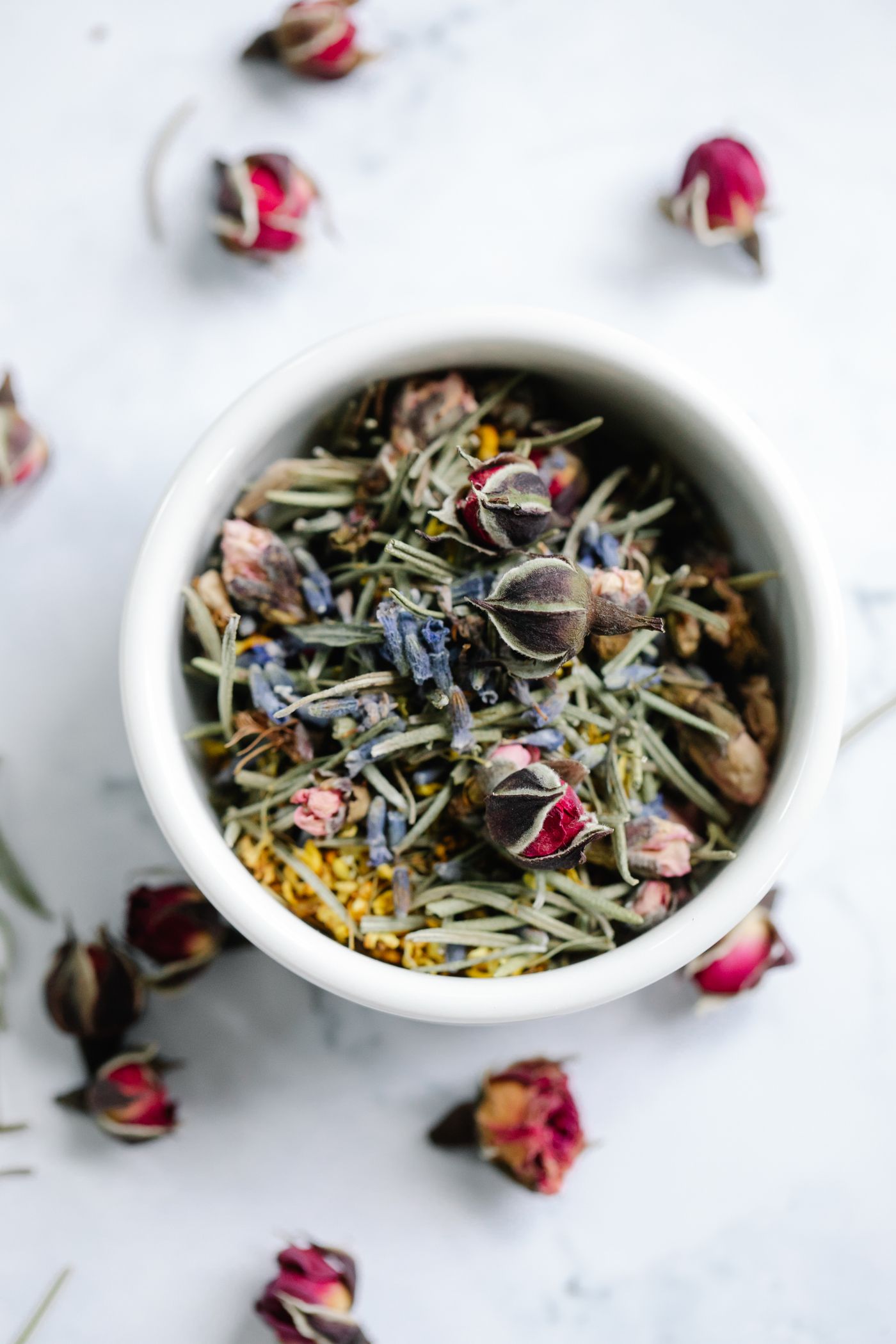
Two inulins at the same declared purity can behave nothing alike in a formulation. The parameter that separates them is chain length, and it is often missing from the quote entirely.
Degree of polymerisation (DP) is the number of sugar units in the chain. For chicory-derived fibres it typically spans DP 2 to 60, and where a given material sits in that range drives almost everything a formulator cares about:
Specifying "inulin, 90% purity" without a DP range leaves the most important property of the ingredient to chance.
Fructans hydrolyse under heat in acid conditions. A fibre that survives a neutral-pH bake may be substantially degraded in an acidic beverage held hot during filling — and degraded fructan is free fructose, which changes both the sugar declaration and the fibre claim. If your process has a low-pH hot step, ask for hydrolysis data at your actual pH, temperature and hold time rather than a general stability statement.
Fructans are not fully captured by older total dietary fibre methods. AOAC 997.08 and 999.03 are the fructan-specific methods, and a fibre figure is only meaningful with the method named. This matters directly for nutrition labelling, where the declared fibre content has to be defensible.
Prebiotic fibres are the ingredient class where paper specifications diverge most often from real behaviour. A pilot run through your actual thermal profile tells you more than any datasheet, and it is worth doing before committing to a container.

Every vitamin premix is dosed above its label claim. How much above is a decision with cost, stability and compliance riding on it — and it belongs in writing before production.
Magnesium oxide and magnesium bisglycinate are priced per kilo of compound but formulated per milligram of elemental mineral. Confusing the two is the most expensive arithmetic error in mineral sourcing.

The same amino acid reaches the market by three different manufacturing routes. They differ in isomer purity, allergen risk and which certifications they can carry.