Vitamin premix overages: why the label claim is never the batch formula
Every vitamin premix is dosed above its label claim. How much above is a decision with cost, stability and compliance riding on it — and it belongs in writing before production.

A lutein quote can be 5% or 80% and both can be reasonable. The percentage describes the format, not the quality, and the only honest comparison is on cost per gram of actual carotenoid.
The beadlet is mostly matrix by weight. That is not dilution for its own sake — the matrix is what protects an easily oxidised molecule and lets it disperse in water. It does mean a 5% beadlet and a 20% oil suspension are not remotely comparable per kilo.
Marigold produces lutein naturally as fatty acid esters. Saponification converts these to free lutein. Both are sold, and the specification must say which, because the ester form carries roughly twice the molecular weight for the same lutein content. A "20% lutein ester" material contains substantially less lutein than "20% free lutein". Check whether the declared percentage refers to total carotenoid, lutein specifically, or lutein esters expressed as free lutein.
Marigold gives roughly a 20:1 lutein to zeaxanthin ratio naturally. Products at 5:1 or 10:1 have been adjusted, usually by adding separately produced zeaxanthin. If your customer's formulation specifies a ratio, it needs to be on the purchase specification with a tolerance, and confirmed by HPLC on each batch rather than assumed from the grade name.
Convert every quote to a price per gram of lutein delivered before you look at them side by side. The ranking usually changes, and it frequently changes in favour of the material that looked expensive per kilo.
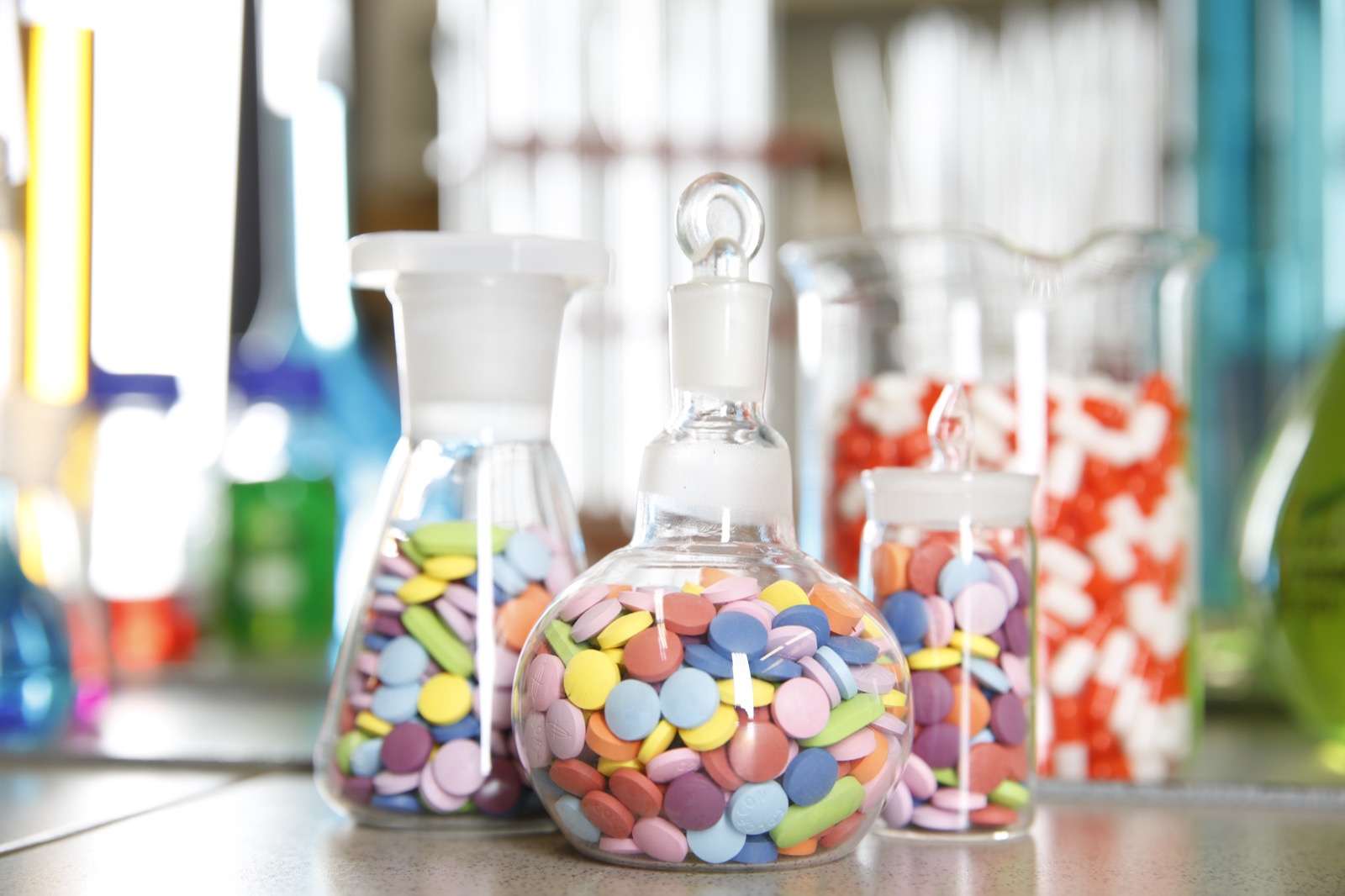
Every vitamin premix is dosed above its label claim. How much above is a decision with cost, stability and compliance riding on it — and it belongs in writing before production.
Magnesium oxide and magnesium bisglycinate are priced per kilo of compound but formulated per milligram of elemental mineral. Confusing the two is the most expensive arithmetic error in mineral sourcing.

The same amino acid reaches the market by three different manufacturing routes. They differ in isomer purity, allergen risk and which certifications they can carry.