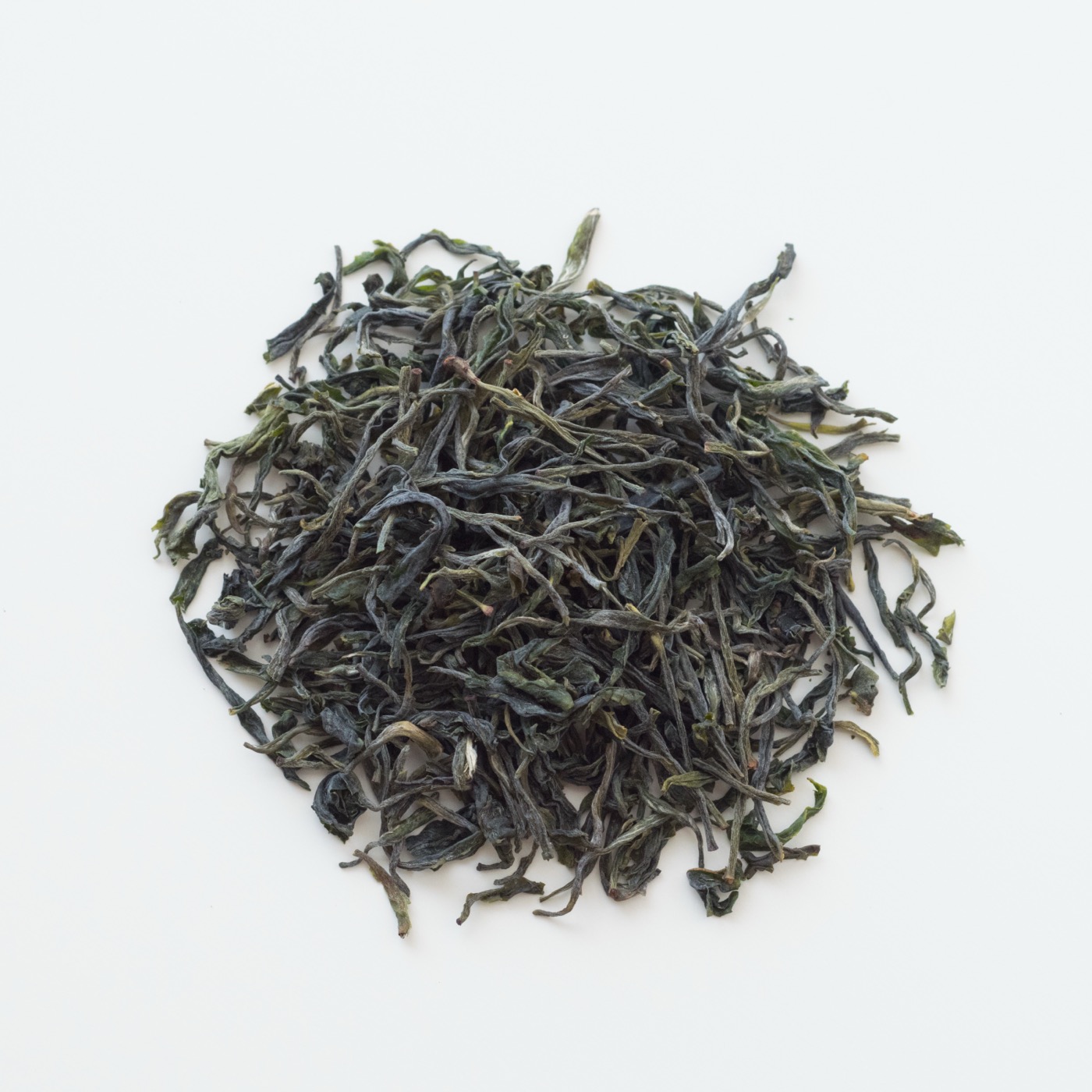
Weight-Management Herbal Tea Blend
Sachet-ready herbal tea blend on a green tea base with ginger, fennel, lemongrass, hibiscus and Ceylon cinnamon. Senna-free as standard and released against the ISO 11287:2011 limits.
Specifications
| Base and botanical identity | Camellia sinensis (L.) Kuntze green tea leaf as the majority base. Black or partly fermented base available as an alternative, released to ISO 3720:2011. |
| Herb fraction | Zingiber officinale rhizome, Foeniculum vulgare fruit, Cymbopogon citratus leaf, Hibiscus sabdariffa calyx and Cinnamomum verum bark. Ratios set to the buyer's brief. |
| Senna and hydroxyanthracene status | SENNA-FREE as standard. Reg (EU) 2021/468 placed Cassia senna leaf and fruit hydroxyanthracene preparations under Union scrutiny; that listing was later litigated in the EU. |
| Cinnamon species and coumarin | Cinnamomum verum only. Cassia bark carries roughly 2–7% coumarin against 0.004–0.02% for Ceylon; the EFSA tolerable daily intake for coumarin is 0.1 mg/kg body weight. |
| Extract and ash limits (ISO 11287:2011) | Water extract min 32% (ISO 9768); total ash 4–8% (ISO 1575); water-soluble ash min 45% of total ash (ISO 1576); alkalinity as KOH 1.0–3.0%; acid-insoluble ash max 1.0% (ISO 1577). |
| Polyphenol limits (ISO 11287:2011) | Total catechins min 7% (ISO 14502-2); total polyphenols min 11% (ISO 14502-1); catechin:polyphenol ratio min 0.5; crude fibre max 16.5%. Black base: polyphenols min 9%. |
| Moisture and appearance | Moisture max 6.5% by ISO 1573, the Sri Lanka Tea Board import benchmark. Even free-flowing blend, herb pieces visibly distributed, free from stalk and foreign matter. |
| Cut size and sachet suitability | Cut to the buyer's filling line — fannings or dust cut for single-chamber filter bags, broken-leaf cut for pyramid and double-chamber bags. Typical sachet fill 1.5–2.5 g. |
| Caffeine and EGCG position | Caffeine is native to the tea fraction and assayed per lot against EFSA's 400 mg/day and 200 mg single-dose adult references. Reg (EU) 2022/2340 exempts traditional infusions. |
| Heavy metals | Sri Lanka Tea Board MQS (Issue 02, 2021) benchmark: lead max 2.0, cadmium 0.2, mercury 0.3, arsenic 0.05, chromium 1.0, rare earths 2.0, iron 300, copper 100, zinc 100 mg/kg. |
| Microbiology | Total plate count max 10,000 cfu/g (ISO 4833-1); yeast and mould max 1,000 cfu/g (ISO 21527-2); coliforms max 10 MPN/g (ISO 4831); E. coli absent/g; Salmonella absent in 25 g. |
| Pesticides and treatment | Screened against the destination MRL set — EU, FSSAI or Japan positive list as specified. Not irradiated and not ETO-treated unless the buyer instructs it and the market permits. |
| Allergen and dietary status | Free of all 14 EU 1169/2011 Annex II allergens: no milk, egg, soy, fish, crustacean, nut or gluten input. Vegan. Plant origin throughout; no animal or marine material. |
| Shelf life, storage | 24 months in unopened original packaging, cool and dry, away from strong odours — tea scalps aroma readily. |
| HS code | 0902.20.10 at the standard 20 kg pack, not 2106 |
Applications
Available grades
Green tea base to ISO 11287:2011 or black and partly fermented base to ISO 3720:2011. Senna-free standard; senna-containing versions only against a written customer specification. Organic certified to NPOP, NOP or EU rules on request. Caffeine-reduced base, custom herb ratios and custom cut sizes to order.
Related products
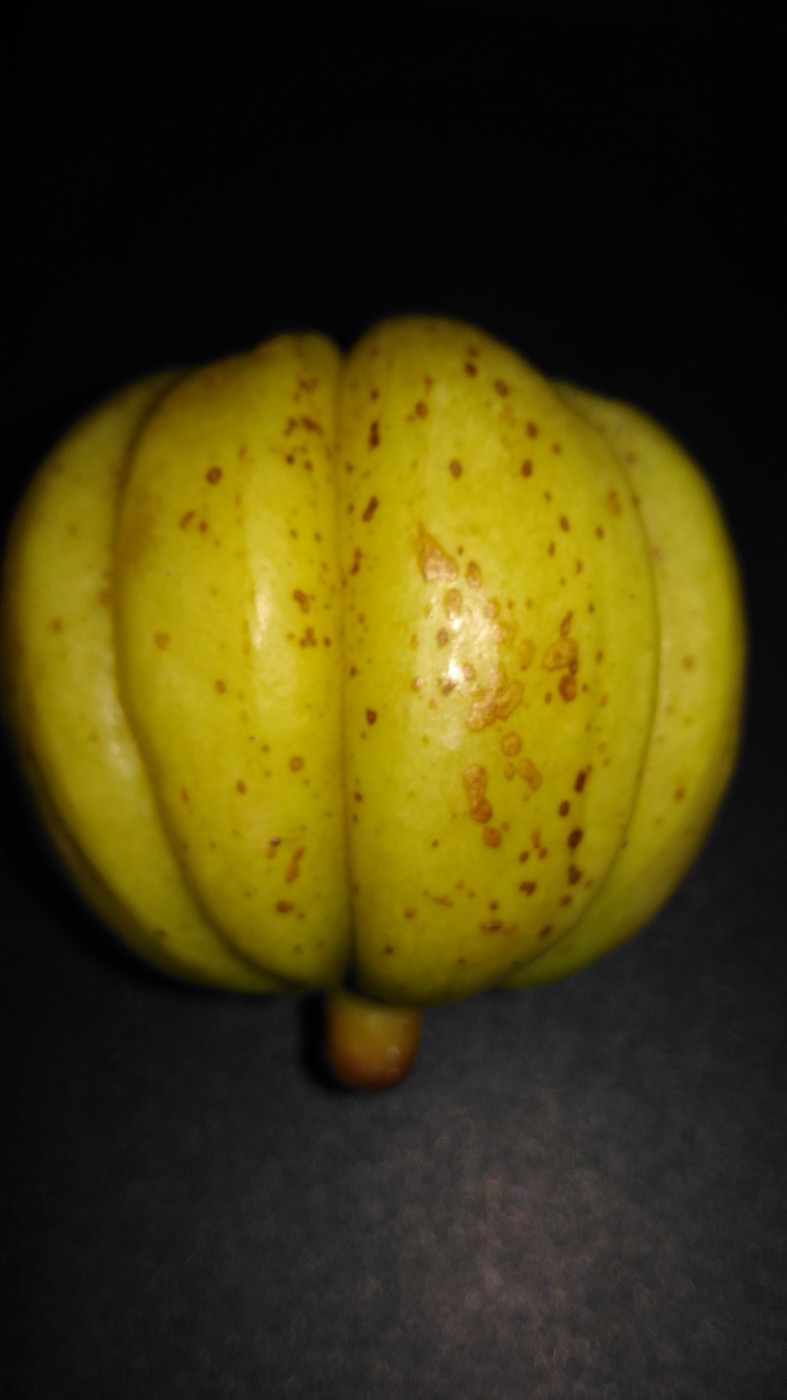
Garcinia Cambogia Capsules
Hard capsules filled with Garcinia gummi-gutta fruit-rind extract standardised to 50-60% hydroxycitric acid by HPLC. Vegan HPMC or bovine gelatin shell, contract-manufactured in India for private label.
Green Tea Complex Capsules
Multi-ingredient capsule built on Camellia sinensis leaf extract with green coffee, L-carnitine L-tartrate, chromium and piperine. EGCG per portion dosed under Regulation (EU) 2022/2340.
Green Coffee Bean Capsules
Hard capsules of unroasted Coffea canephora seed extract standardised to 45-50% total chlorogenic acids by HPLC, with caffeine measured and declared per batch. Vegan HPMC or bovine gelatin shell.