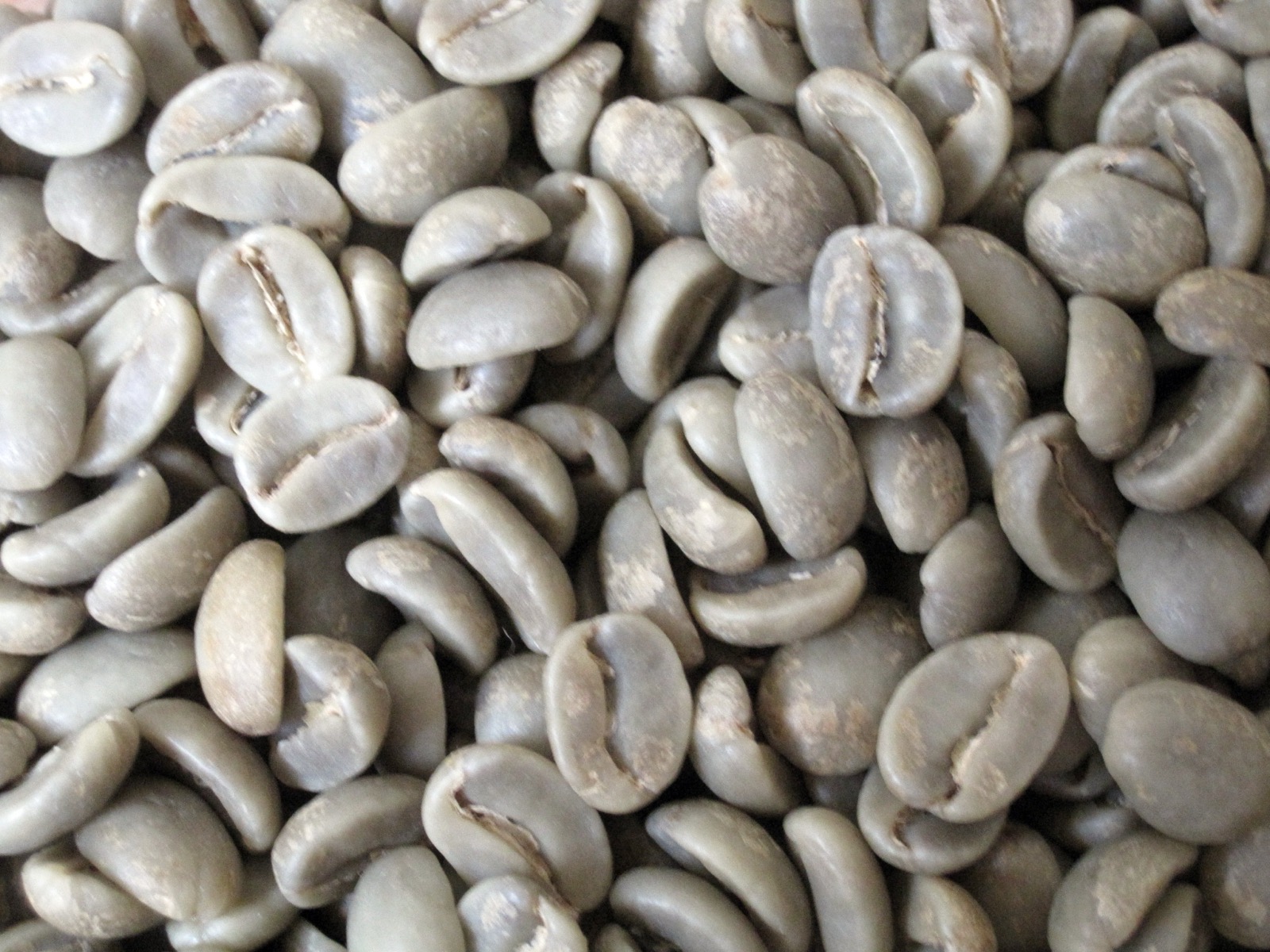
Green Coffee Bean Capsules
Hard capsules of unroasted Coffea canephora seed extract standardised to 45-50% total chlorogenic acids by HPLC, with caffeine measured and declared per batch. Vegan HPMC or bovine gelatin shell.
Specifications
| Botanical identity | Coffea canephora Pierre ex A.Froehner (robusta), family Rubiaceae; Coffea arabica L. on specification. Unroasted green seed, since roasting degrades chlorogenic acids. |
| Marker chemistry | Chlorogenic acid, 5-caffeoylquinic acid, C16H18O9, MW 354.31, CAS 327-97-9. Total chlorogenic acids covers the caffeoylquinic, feruloylquinic and dicaffeoylquinic isomers. |
| Assay basis | Figures on the certificate are HPLC. UV readings run materially higher on the same material; the two are never quoted interchangeably and no conversion factor is offered. |
| Fill standardisation | Extract at 45% or 50% total chlorogenic acids by HPLC as standard; 20% and 60% grades to order. Marker identity confirmed against a reference standard on each lot. |
| Capsule strengths | 400 mg or 500 mg of extract per capsule as standard, in size 0 (0.67 mL) or size 00 (0.95 mL) shells. Other strengths and capsule counts built to brief. |
| Caffeine declaration | Green coffee extract carries bean caffeine, C8H10N4O2, MW 194.19, CAS 58-08-2. Measured on the finished capsule and stated per capsule and per labelled daily portion. |
| Low-caffeine options | Low-caffeine and decaffeinated fills are produced where a destination market caps caffeine, requires a warning above a threshold, or the brand positions on caffeine-free. |
| Capsule shell | Hypromellose (HPMC) as standard: vegan, vegetarian, no animal input. Bovine gelatin shell on request. Porcine gelatin is not used on this line. |
| Excipients | Microcrystalline cellulose, maize maltodextrin, colloidal silicon dioxide and vegetable-source magnesium stearate. Full quantitative formula issued with the first batch. |
| Allergen, diet and origin | No milk, egg, soy, fish, crustacean, nut, peanut, sesame or gluten input; maltodextrin is maize. HPMC build is vegan and non-GMO; the gelatin option is bovine and not vegetarian. |
| Finished-product limits | Average fill weight within 5%, individual capsules within 7.5%. Disintegration NMT 30 minutes in water at 37 C. Loss on drying of the fill NMT 5.0%. |
| Contaminants | Ochratoxin A tested on every lot, coffee being a susceptible commodity. Lead NMT 3.0 ppm, arsenic NMT 1.0 ppm, cadmium NMT 1.0 ppm, mercury NMT 0.1 ppm on the filled capsule. |
| Microbiology | Total plate count NMT 10,000 cfu/g; yeast and mould NMT 500 cfu/g; E. coli, Salmonella and S. aureus absent. Pesticide residues to EU Reg. 396/2005 MRLs on request. |
| Shelf life, storage | 24 months below 25 C at NMT 60% RH, sealed and out of light; chlorogenic acids darken with heat and moisture. |
| HS code | 21069099 (India ITC-HS) |
Applications
Available grades
Fill at 45% or 50% total chlorogenic acids by HPLC as standard; 20% and 60% grades to order. UV-basis grades quoted separately and never interchanged with HPLC figures. Coffea canephora standard, Coffea arabica on specification. Low-caffeine and decaffeinated fills. 400 mg and 500 mg strengths in size 0 and size 00, hypromellose or bovine gelatin shell. Halal, kosher, non-GMO and organic-certified options.
Related products
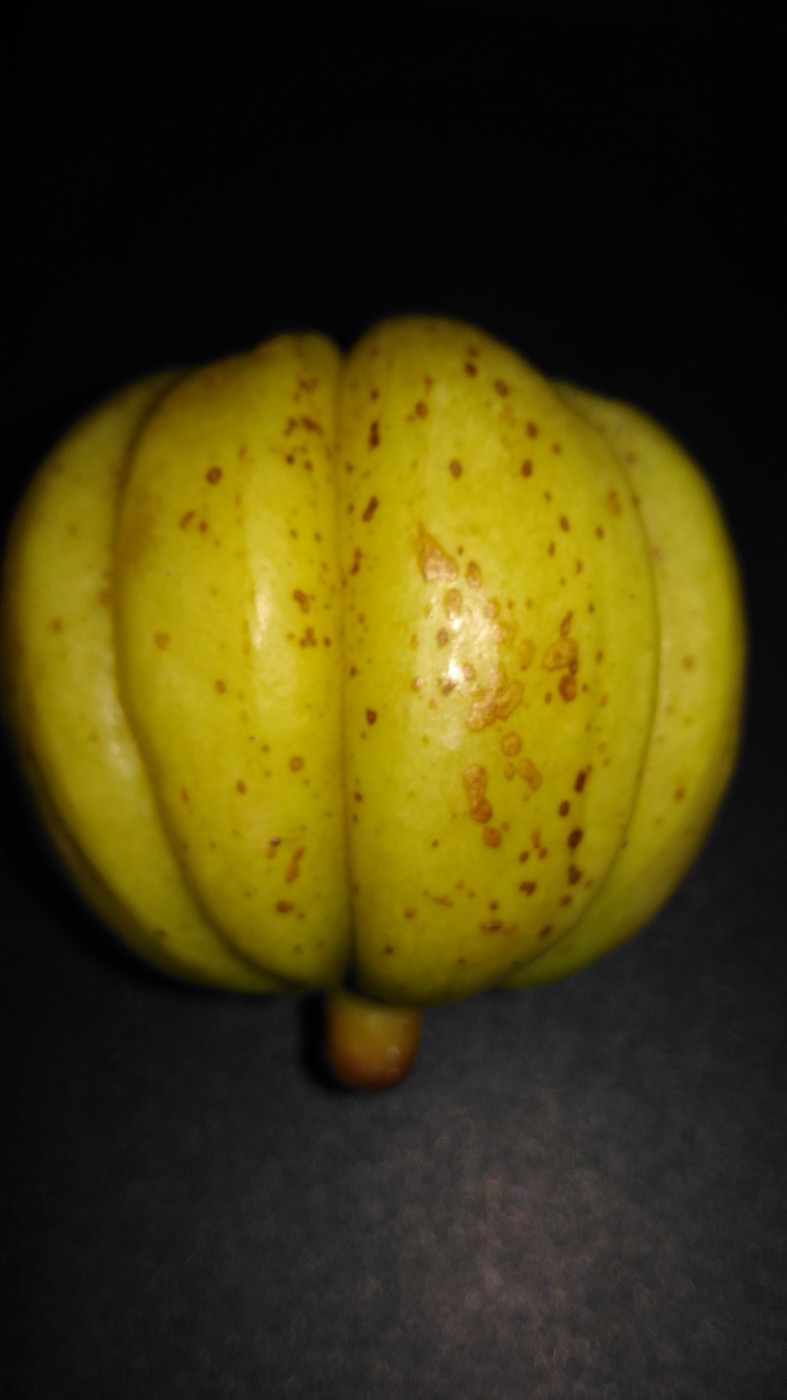
Garcinia Cambogia Capsules
Hard capsules filled with Garcinia gummi-gutta fruit-rind extract standardised to 50-60% hydroxycitric acid by HPLC. Vegan HPMC or bovine gelatin shell, contract-manufactured in India for private label.
Green Tea Complex Capsules
Multi-ingredient capsule built on Camellia sinensis leaf extract with green coffee, L-carnitine L-tartrate, chromium and piperine. EGCG per portion dosed under Regulation (EU) 2022/2340.
L-Carnitine Tablets and Liquid Shots
Finished L-carnitine supplements in film-coated tablets and single-serve liquid shots, built on L-carnitine L-tartrate or levocarnitine base. Vegan formulation, private label, made in India.