Green Tea Complex Capsules
Multi-ingredient capsule built on Camellia sinensis leaf extract with green coffee, L-carnitine L-tartrate, chromium and piperine. EGCG per portion dosed under Regulation (EU) 2022/2340.
Specifications
| Product type and build | A blended multi-active capsule, not a single-extract product. The formula below is the house default; actives, ratios and daily capsule count are built to the buyer's brief. |
| Default fill per capsule | Green tea extract 250 mg, green coffee bean extract 100 mg, L-carnitine L-tartrate 50 mg, plus chromium and piperine to target, in a 500 mg size 0 (0.67 mL) fill. |
| Green tea component | Camellia sinensis (L.) Kuntze, Theaceae, unfermented leaf. Grades from 50% polyphenols / 30% EGCG to 98% polyphenols / 50% EGCG; decaffeinated grades available. |
| EGCG chemistry | (-)-Epigallocatechin-3-gallate, C22H18O11, MW 458.4, CAS 989-51-5. Assayed by HPLC against a reference standard and reported separately from total catechins. |
| EU catechin dosage limit | Regulation (EU) 2022/2340 requires a daily portion to contain less than 800 mg EGCG. Formulas are dosed backwards from that ceiling so the labelled maximum portion stays under it. |
| EU catechin label duties | The same Regulation requires EGCG per portion on-pack plus warnings against use with other green tea products, on an empty stomach, in pregnancy or lactation, and under 18 years. |
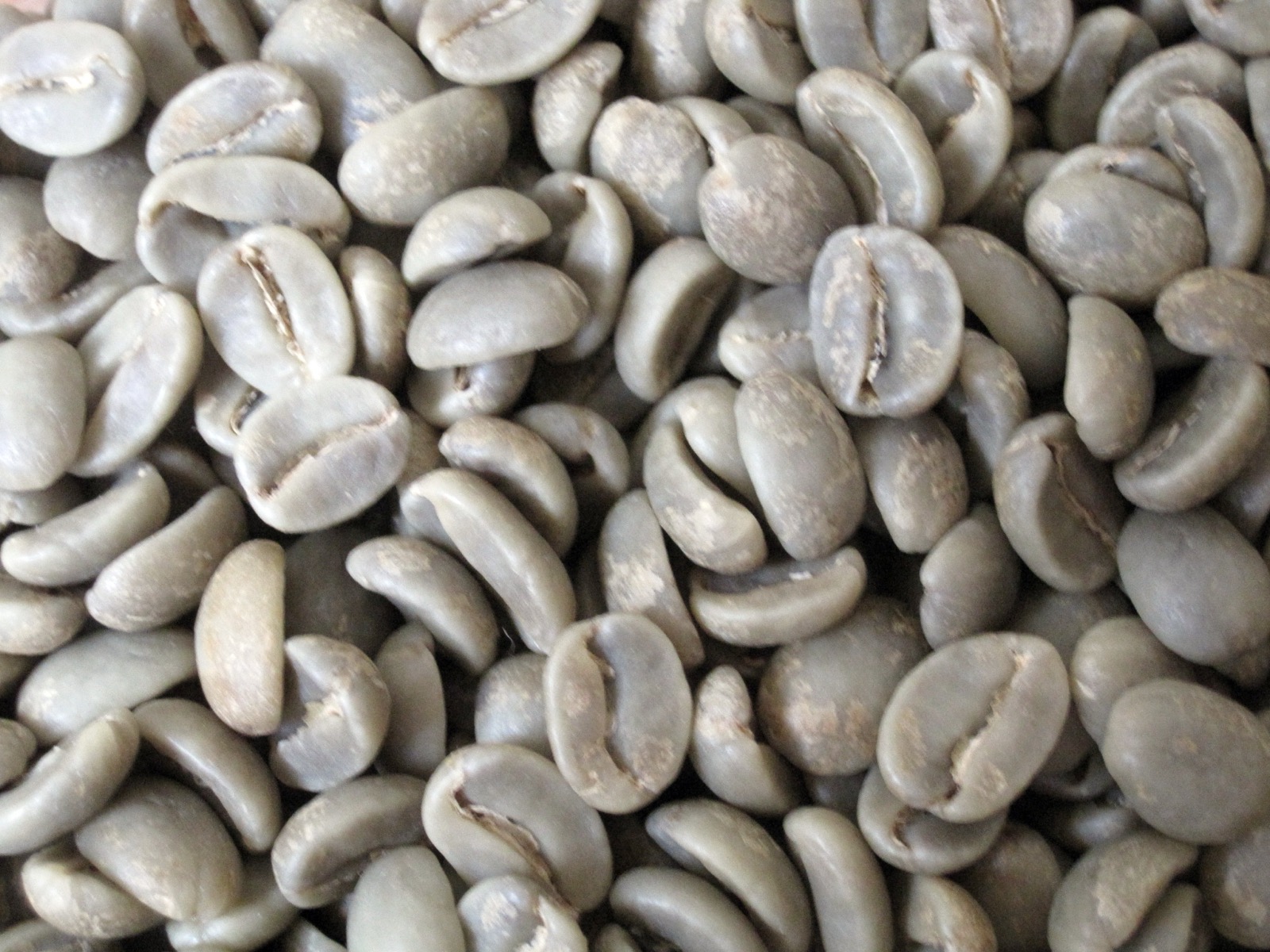
| Green coffee component | Coffea canephora Pierre ex A.Froehner seed, unroasted, at 45-50% total chlorogenic acids by HPLC. Marker 5-caffeoylquinic acid, C16H18O9, MW 354.31, CAS 327-97-9. |
| Minor actives | L-carnitine L-tartrate 2:1 salt, C18H36N2O12, MW 472.5, CAS 36687-82-8; chromium picolinate, C18H12CrN3O6, MW 418.3, CAS 14639-25-9; piperine, C17H19NO3, CAS 94-62-2. |
| Caffeine control | Caffeine, C8H10N4O2, MW 194.19, CAS 58-08-2, comes from the extracts and optionally as caffeine anhydrous. Measured on the finished capsule, declared per capsule and portion. |
| Capsule shell and diet status | Hypromellose (HPMC) as standard, giving a vegan and vegetarian article with no animal input. Bovine gelatin on request, which is neither. Porcine gelatin is not used. |
| Allergen declaration | No milk, egg, soy, fish, crustacean, nut, peanut, sesame or gluten input; maltodextrin is maize-derived. L-carnitine is synthetic or fermentation-derived, never dairy-sourced. |
| Purity and microbiology | Lead NMT 3.0 ppm, arsenic NMT 1.0 ppm, cadmium NMT 1.0 ppm, mercury NMT 0.1 ppm. Total plate count NMT 10,000 cfu/g, yeast and mould NMT 500 cfu/g, pathogens absent. |
| Shelf life and storage | 24 months below 25 C at NMT 60% RH, sealed and away from light. Catechins oxidise on exposure, so opaque primary packaging and desiccant are standard on this line. |
| HS code | 21069099 (India ITC-HS) as a finished food supplement in capsules. Not 13021919, which covers the bulk extract before blending and encapsulation. |
Applications
Available grades
Green tea at 50% polyphenols / 30% EGCG, 90% / 45% or 98% / 50%; decaffeinated at caffeine NMT 0.5% or NMT 0.1%. Green coffee at 45% or 50% total chlorogenic acids, low-caffeine option. Caffeine anhydrous optional. Size 0 and size 00, hypromellose or bovine gelatin shell. One-, two- and three-capsule daily portions, each dosed under the EU EGCG ceiling. Halal, kosher and non-GMO on request.
Related products
Garcinia Cambogia Capsules
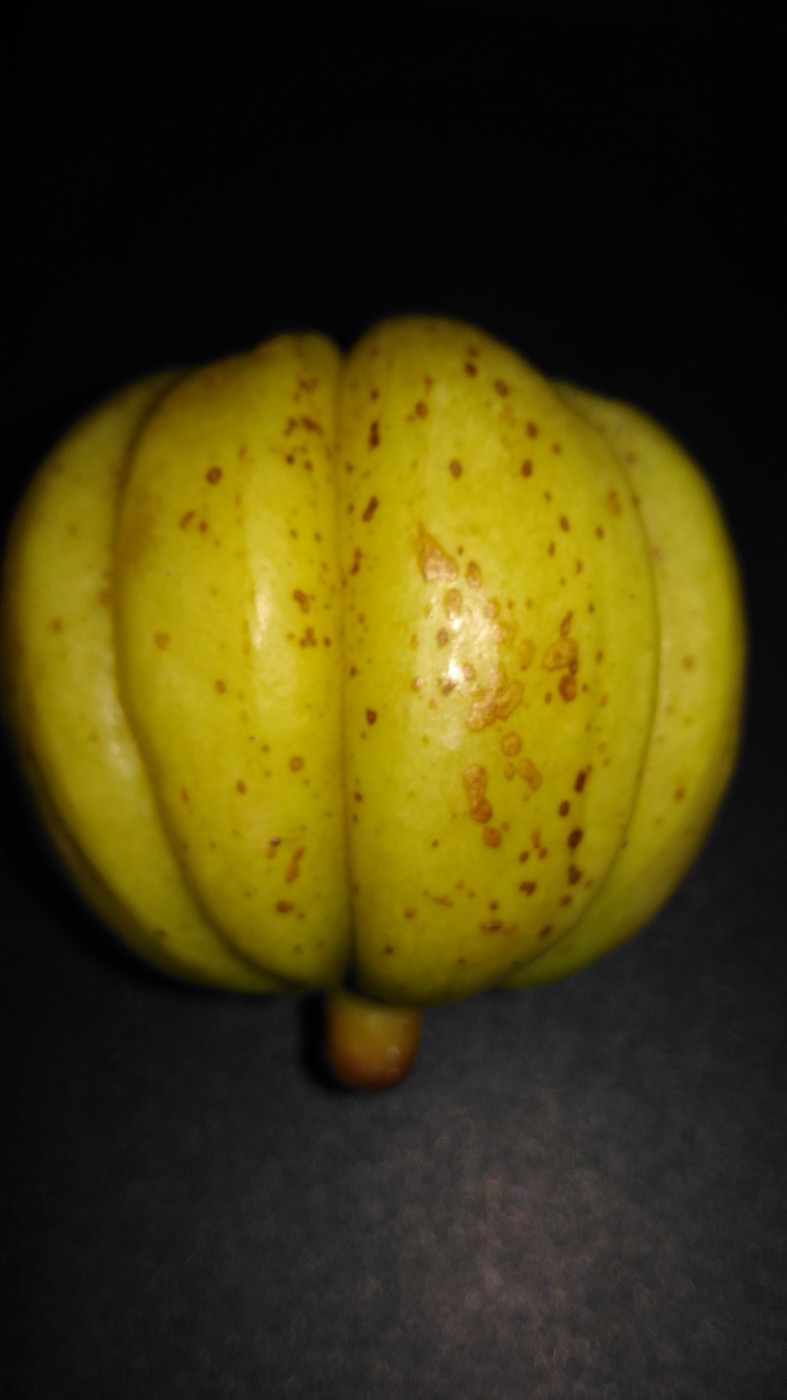
Hard capsules filled with Garcinia gummi-gutta fruit-rind extract standardised to 50-60% hydroxycitric acid by HPLC. Vegan HPMC or bovine gelatin shell, contract-manufactured in India for private label.
Green Coffee Bean Capsules
Hard capsules of unroasted Coffea canephora seed extract standardised to 45-50% total chlorogenic acids by HPLC, with caffeine measured and declared per batch. Vegan HPMC or bovine gelatin shell.
L-Carnitine Tablets and Liquid Shots
Finished L-carnitine supplements in film-coated tablets and single-serve liquid shots, built on L-carnitine L-tartrate or levocarnitine base. Vegan formulation, private label, made in India.