Thermogenic Blend Capsules
Two-piece capsules filled with a thermogenic blend of assay-standardised green tea, green coffee, capsicum and black pepper extracts with caffeine anhydrous, L-carnitine tartrate and chromium.
Specifications
| Product type and dosage form | Finished two-piece hard capsule, size 0 or 00, filled with a dry-blended botanical and amino-acid powder. Also supplied as the unencapsulated bulk blend. |
| Caffeine module | Caffeine anhydrous, CAS 58-08-2, C8H10N4O2, MW 194.20, USP/Ph. Eur. grade. EFSA 2015 reference: 400 mg/day habitual and 200 mg single dose for non-pregnant adults. |
| Green tea module | Camellia sinensis leaf extract. USP Powdered Decaffeinated Green Tea Extract: NLT 60.0% polyphenols as EGCG, NLT 40.0% EGCG (CAS 989-51-5), NMT 0.1% caffeine, anhydrous basis. |
| EU green tea restriction | Reg (EU) 2022/2340 bars 800 mg or more EGCG from green tea extract per daily portion, and requires portion, EGCG-content and warning labelling at any level. |
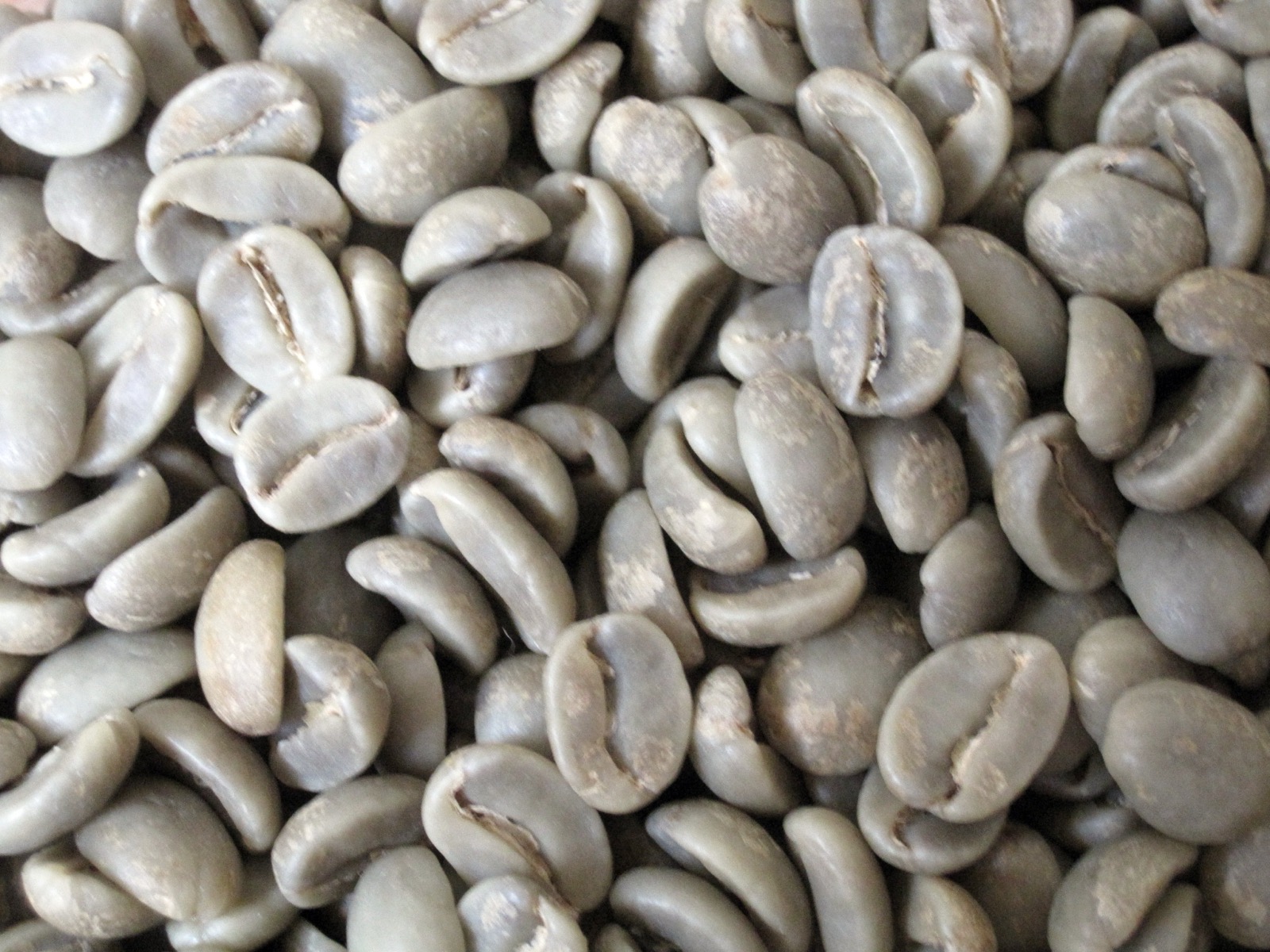
| Green coffee module | Coffea canephora or C. arabica green bean extract at 45–50% total chlorogenic acids (CAS 327-97-9, C16H18O9, MW 354.31). Native caffeine typically under 2%. |
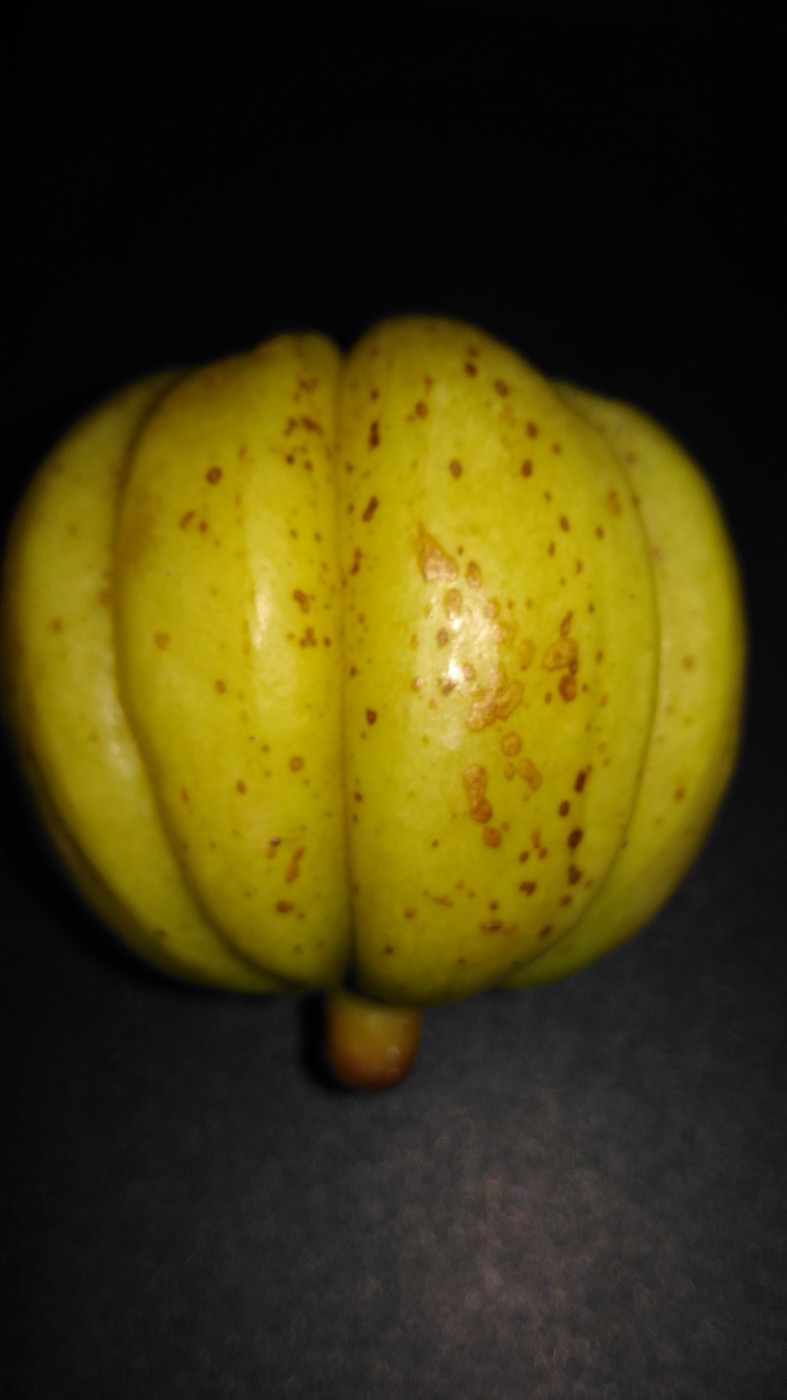
| Garcinia module | Garcinia gummi-gutta (L.) N.Robson (syn. G. cambogia Desr.) rind extract, 50–60% (−)-hydroxycitric acid (CAS 6205-14-7, C6H8O8, MW 208.12), as the Ca or K salt. |
| Capsicum and pepper modules | Capsicum annuum fruit extract at 2% capsaicinoids as capsaicin (CAS 404-86-4, MW 305.42), coated or beadlet form; Piper nigrum L. extract at 95% piperine (CAS 94-62-2, MW 285.34). |
| Optional botanical modules | Coleus forskohlii (Plectranthus barbatus Andrews) root extract at 10% forskolin (CAS 66575-29-9); Citrus aurantium L. extract at 6–30% p-synephrine (CAS 94-07-5). |
| Carnitine and chromium modules | L-carnitine L-tartrate, CAS 36687-82-8, MW 472.48, 68.2% L-carnitine by mass, synthetic. Chromium(III) picolinate, CAS 14639-25-9, C18H12CrN3O6, MW 418.30, 12.43% Cr. |
| Sport and anti-doping status | Caffeine and synephrine appear on the WADA 2026 Monitoring Program (stimulants, in-competition only) — monitored, not prohibited. Higenamine, DMAA and DMHA are never used. |
| Capsule shell and excipients | HPMC shell for vegan claims, or bovine gelatin with TSE/BSE and halal or kosher certification. Carrier MCC, glidant silicon dioxide, lubricant vegetable magnesium stearate. |
| Appearance and fill | Opaque capsule, colour to brief; fill weight 400–700 mg to specification. Titanium dioxide (E171) is not used — unauthorised in EU food since 7 August 2022 under Reg (EU) 2022/63. |
| Allergen, dietary and origin status | Naturally free of all 14 EU 1169/2011 Annex II allergens. HPMC version is vegan; gelatin version bovine, never porcine. L-carnitine tartrate is synthetic, not meat-derived. |
| Contaminants, shelf life | Heavy metals, pesticides, ICH Q3C residual solvents and microbiology set per lot to destination limits and reported on the COA. 24 months below 25 °C. |
| HS code | 2106.90.99 |
Applications
Available grades
Stimulant and stimulant-free versions; a caffeine-free variant for markets or channels that exclude it. Vegan HPMC or bovine gelatin shell. Fill weights 400–700 mg. Optional Coleus and Citrus aurantium modules on written instruction only. Organic-certified botanical modules to order where the extract chemistry permits.
Related products
Garcinia Cambogia Capsules
Hard capsules filled with Garcinia gummi-gutta fruit-rind extract standardised to 50-60% hydroxycitric acid by HPLC. Vegan HPMC or bovine gelatin shell, contract-manufactured in India for private label.
Green Tea Complex Capsules
Multi-ingredient capsule built on Camellia sinensis leaf extract with green coffee, L-carnitine L-tartrate, chromium and piperine. EGCG per portion dosed under Regulation (EU) 2022/2340.
Green Coffee Bean Capsules
Hard capsules of unroasted Coffea canephora seed extract standardised to 45-50% total chlorogenic acids by HPLC, with caffeine measured and declared per batch. Vegan HPMC or bovine gelatin shell.