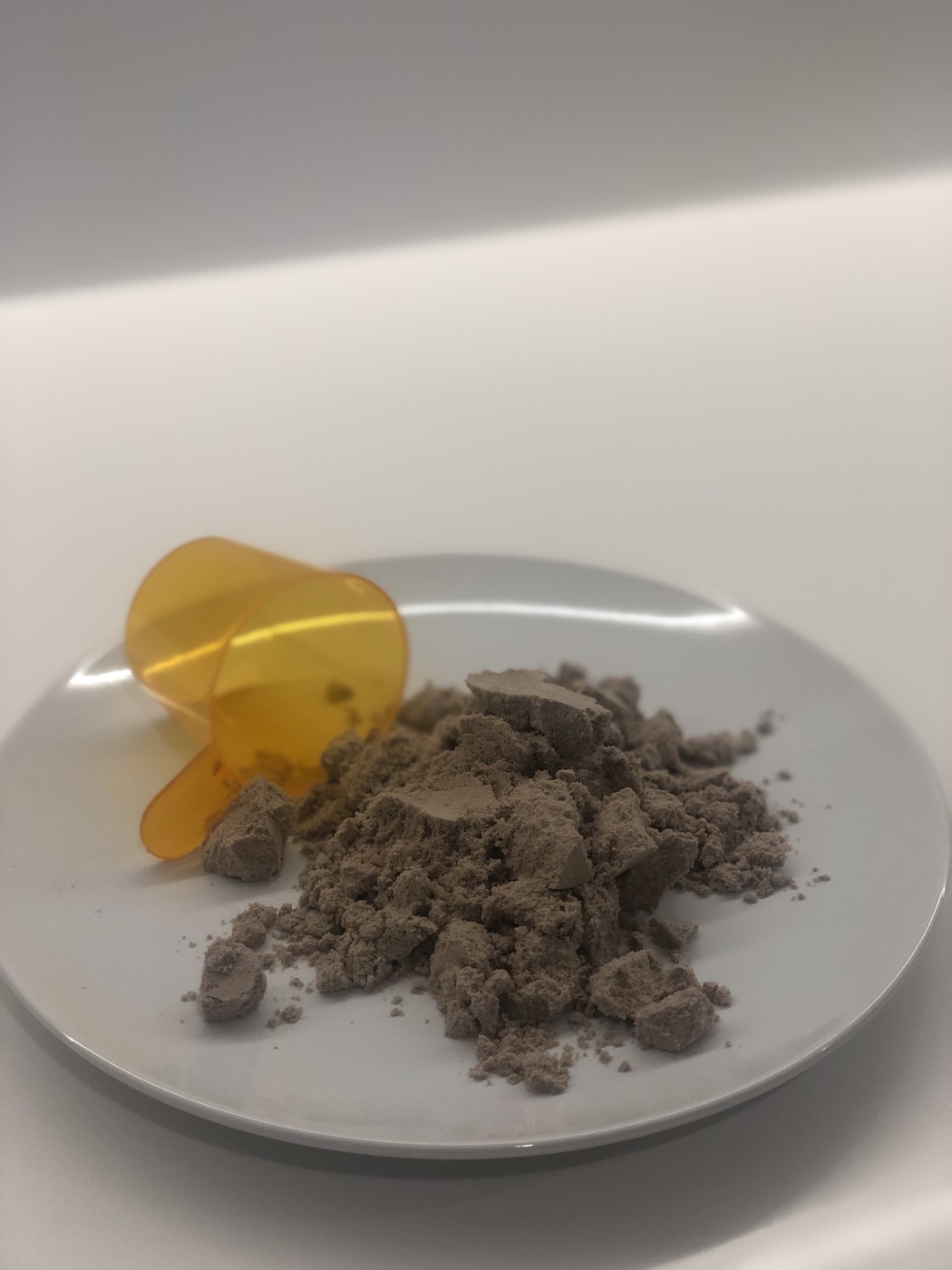
Meal Replacement Shake Powder
Bulk meal replacement shake powder built to the EU Regulation 2016/1413 conditions — 200–250 kcal per meal, protein at 25–50% of energy, fat under 30%, micronutrients at 30% NRV or better.
Specifications
| Legal name and product type | Dry blended powder for reconstitution. Codex CXS 181-1991 requires the label name "Meal Replacement for Weight Control" where the Codex standard is applied. |
| Energy per meal | 200–250 kcal (840–1046 kJ) per prepared serving to Reg (EU) 2016/1413. Codex CXS 181-1991 allows the wider 200–400 kcal (835–1670 kJ) window. |
| Protein content | 25–50% of the total energy of the ready-to-drink product, per both Reg (EU) 2016/1413 and Codex CXS 181-1991. Codex caps total protein at 125 g per day. |
| Protein quality | Chemical index at least 80% of the FAO/WHO (1985) reference protein. Below 100%, minimum protein is raised to compensate. Only L-amino acids; DL-methionine allowed by Codex. |
| Essential amino acid minima | Per 100 g protein: cystine+methionine 1.7, histidine 1.6, isoleucine 1.3, leucine 1.9, lysine 1.6, phenylalanine+tyrosine 1.9, threonine 0.9, tryptophan 0.5, valine 1.3 g. |
| Fat and essential fatty acid | Not more than 30% of available energy from fat. Linoleic acid at least 1 g as glycerides (EU); Codex requires at least 3% of energy from linoleic acid. |
| Carbohydrate and fibre | Maltodextrin, isomaltulose and MCT powder to the buyer's brief. No fibre minimum in Reg (EU) 2016/1413; fibre added on request to hit source-of-fibre or high-fibre thresholds. |
| Vitamin and mineral premix | Minimum 30% of the Annex XIII NRVs of Reg (EU) 1169/2011 per meal, excepting fluoride, chromium, chloride and molybdenum. Sodium min 172.5 mg, potassium min 500 mg per meal. |
| Protein base options | Dairy platform (WPC 80 + MPC); mixed platform (adds soy protein isolate); plant platform (pea + rice, amino-acid balanced). Base choice drives the allergen declaration. |
| Appearance, flavour and dispersion | Free-flowing agglomerated powder, colour set by flavour system. Disperses cold in water or milk with hand shaking; no lump formation at 40–55 g per 250 ml. |
| Particle size, bulk density and moisture | Agglomerated to the buyer's mesh, typically 95% through 30 mesh. Bulk density 0.35–0.55 g/ml. Moisture not more than 5.0%; water activity not more than 0.45. |
| Contaminants and hygiene | Codex CXS 181-1991 requires the product be free from pathogenic micro-organisms, hormone and antibiotic residues, and made under GMP with pesticide residues minimised. |
| Allergen status | MILK on the dairy and mixed platforms; SOY where soy isolate or soy lecithin is used. Plant platform is vegan. Gluten-free by formulation and tested; no egg, fish or nut inputs. |
| Shelf life, storage | 24 months from manufacture, unopened, below 25 °C and 60% RH, away from light. |
| HS code | 2106.90.99 |
Applications
Available grades
Dairy platform (WPC 80 + milk protein concentrate), mixed platform (with soy protein isolate) and 100% plant platform (pea + rice). Chocolate, vanilla, strawberry, coffee and unflavoured. Sucralose or steviol-glycoside sweetened, or unsweetened for buyers dosing their own. Fibre-fortified and organic-certified versions to order.
Related products
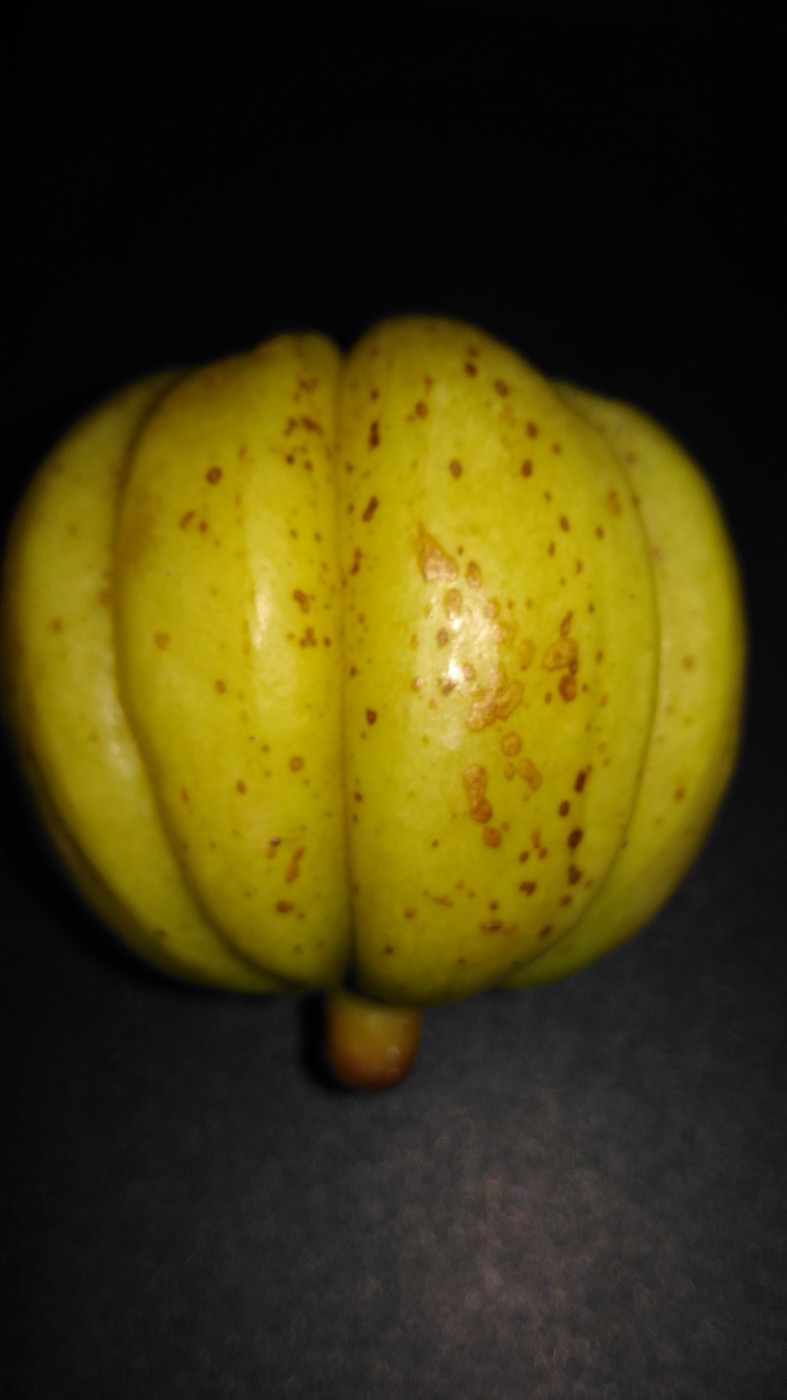
Garcinia Cambogia Capsules
Hard capsules filled with Garcinia gummi-gutta fruit-rind extract standardised to 50-60% hydroxycitric acid by HPLC. Vegan HPMC or bovine gelatin shell, contract-manufactured in India for private label.
Green Tea Complex Capsules
Multi-ingredient capsule built on Camellia sinensis leaf extract with green coffee, L-carnitine L-tartrate, chromium and piperine. EGCG per portion dosed under Regulation (EU) 2022/2340.
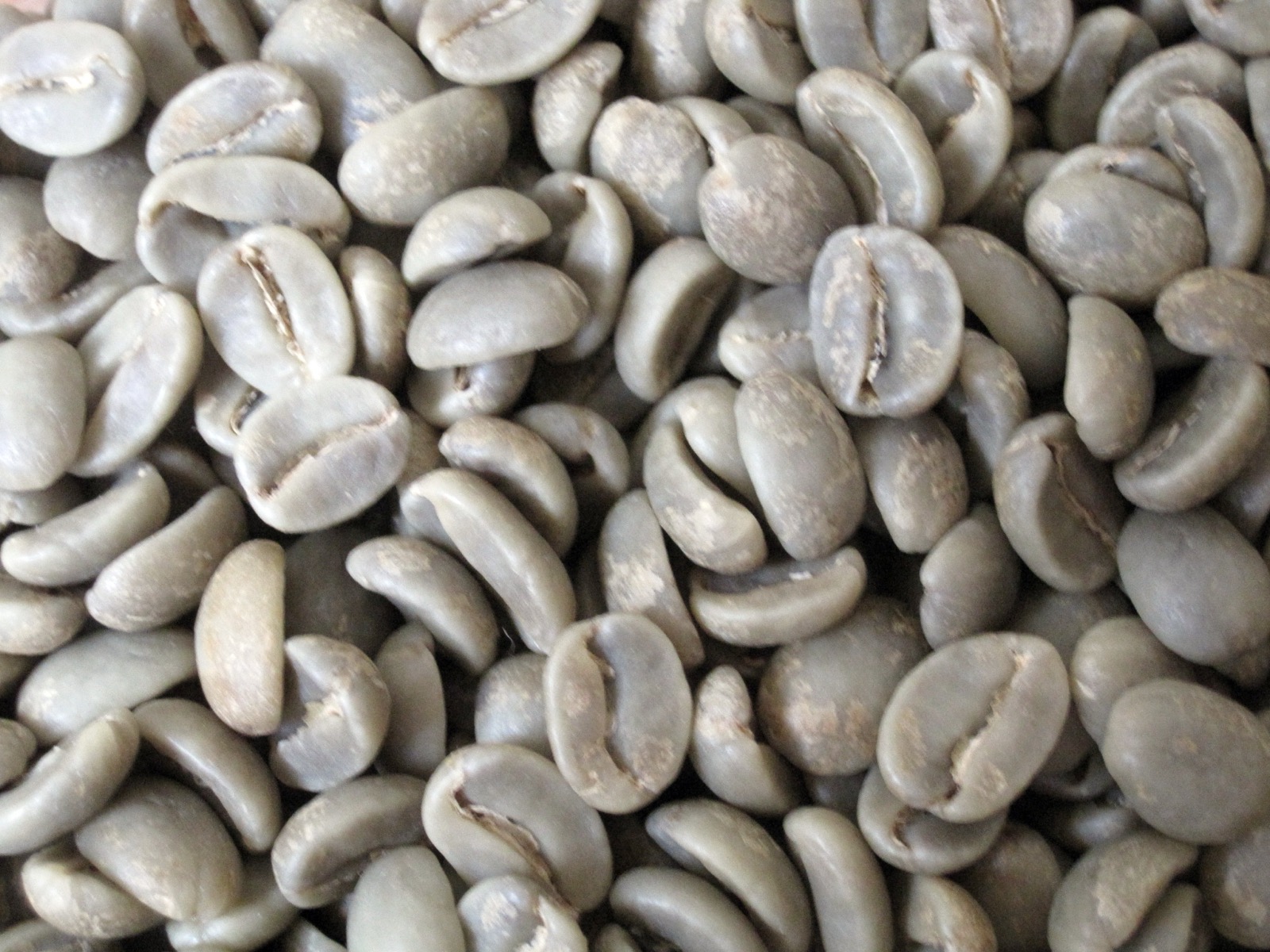
Green Coffee Bean Capsules
Hard capsules of unroasted Coffea canephora seed extract standardised to 45-50% total chlorogenic acids by HPLC, with caffeine measured and declared per batch. Vegan HPMC or bovine gelatin shell.