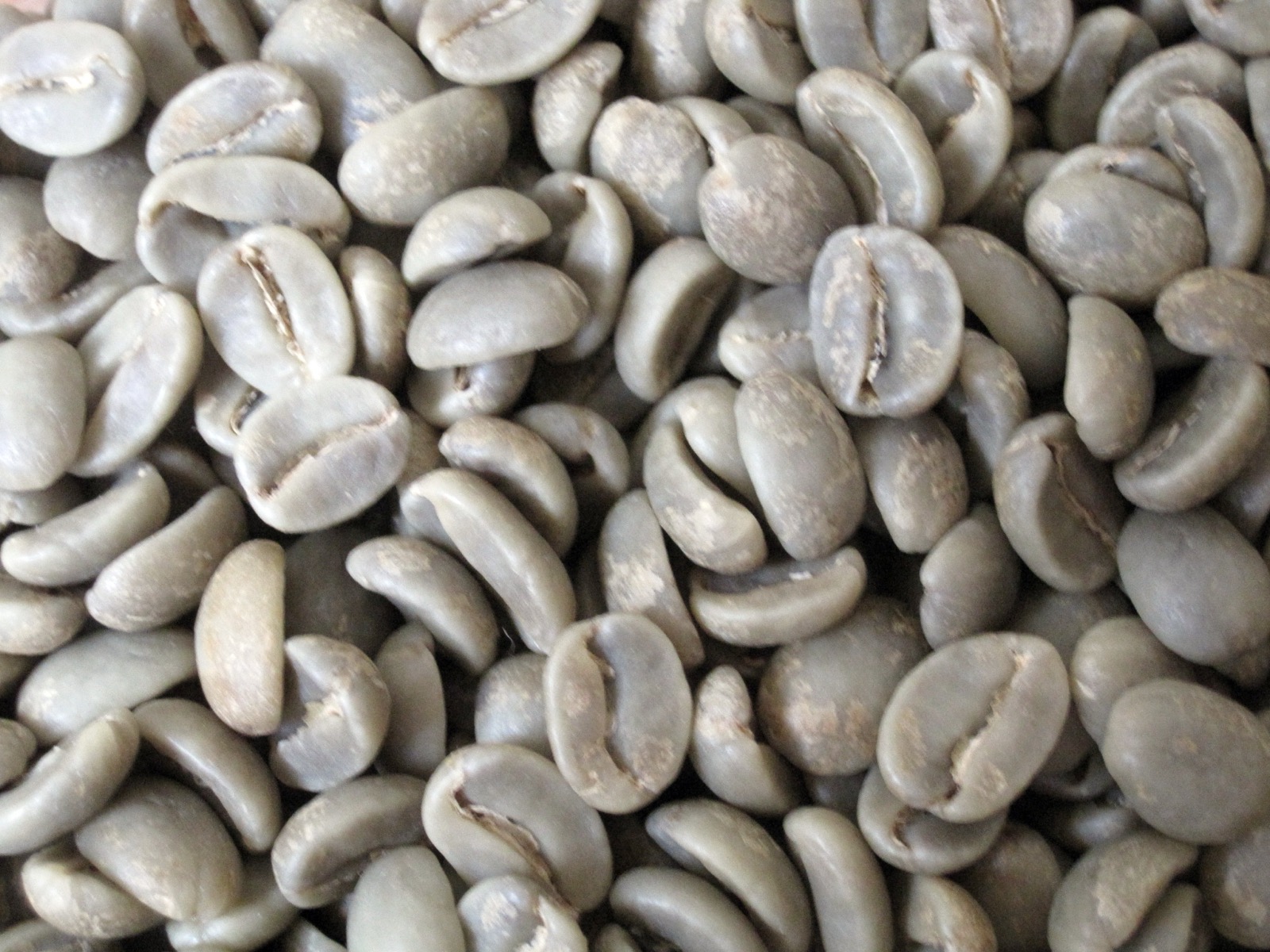
Glucomannan (Konjac Fibre)
Purified konjac glucomannan from the corm of Amorphophallus konjac, a viscous soluble dietary fibre and food thickener, E 425 (ii) and INS 425. Vegan and gluten free, supplied at 80 to 200 mesh.
Specifications
| Ingredient | Konjac glucomannan (KGM), purified viscous soluble dietary fibre and vegetable thickener |
| Botanical source | Corm of Amorphophallus konjac K. Koch, family Araceae; the dried corm carries around 40 percent glucomannan |
| Polymer structure | Beta-1,4-linked D-mannose and D-glucose at about 1.6 to 1, with roughly 8 percent branching through beta-1,6-glucosyl linkages |
| CAS numbers | 37220-17-0 (konjac, E 425); 11078-31-2 (glucomannan) |
| Additive identity | E 425 (ii) konjac glucomannan, purified form; E 425 (i) is konjac gum. Codex INS 425 |
| Appearance and odour | Off-white to light cream free-flowing powder, near-neutral odour and taste |
| Particle size | 80, 120 and 200 mesh; finer or coarser cuts made to order |
| Hydration behaviour | Disperses and hydrates in cold water, swells and builds high viscosity; forms a gel on mixing with water |
| Viscosity | Grade and lot dependent; stated on the certificate of analysis for each batch. Specify your target at enquiry |
| Allergen status | Free from milk, egg, soy, fish, crustacean, gluten, peanut and tree nut |
| Dietary and origin status | Plant-derived, vegan, vegetarian, non-GMO; no animal, bovine, porcine or marine material at any stage |
| EU use restriction | Directive 2003/52/EC bars konjac E 425 from jelly confectionery including jelly mini-cups; check confectionery applications |
| Shelf life and storage | 24 months in unopened original packaging. Hygroscopic: store cool, dry, tightly sealed and away from moisture |
| HS code | 13023900 (India ITC-HS) for the powder; 21069099 for finished capsules. Final classification rests with the importing customs authority |
Applications
Available grades
Purified konjac glucomannan powder at 80, 120 and 200 mesh in food grade and supplement grade, plus finished capsules. Low-viscosity and high-viscosity cuts selected against your stated target. Kosher, halal, vegan, vegetarian, non-GMO and non-irradiated documentation available on request.
Related products
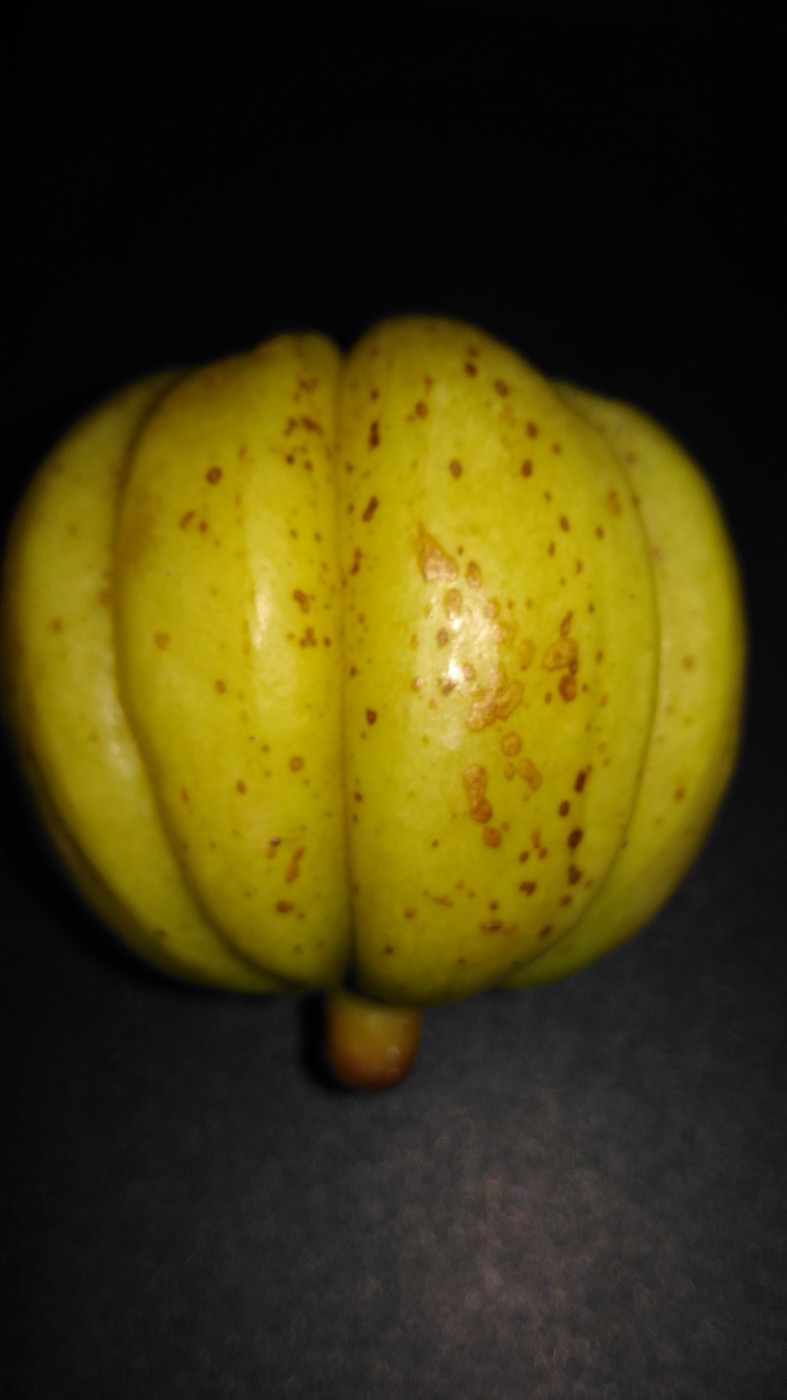
Garcinia Cambogia Capsules
Hard capsules filled with Garcinia gummi-gutta fruit-rind extract standardised to 50-60% hydroxycitric acid by HPLC. Vegan HPMC or bovine gelatin shell, contract-manufactured in India for private label.
Green Tea Complex Capsules
Multi-ingredient capsule built on Camellia sinensis leaf extract with green coffee, L-carnitine L-tartrate, chromium and piperine. EGCG per portion dosed under Regulation (EU) 2022/2340.
Green Coffee Bean Capsules
Hard capsules of unroasted Coffea canephora seed extract standardised to 45-50% total chlorogenic acids by HPLC, with caffeine measured and declared per batch. Vegan HPMC or bovine gelatin shell.