Chromium picolinate and cinnamon bark tablets
Film-coated tablet pairing chromium(III) picolinate, CAS 14639-25-9, with standardised cinnamon bark extract. Vegan, gluten-free, built in India to your chromium strength and coumarin limit.
Specifications
| Chromium source identity | Chromium(III) picolinate, C18H12CrN3O6, MW 418.30, CAS 14639-25-9, PubChem CID 151932. Theoretical chromium content 12.4% (Cr 51.996 / MW 418.30). Pinkish-red solid. |
| Strength and alternative salts | Strength declared as elemental chromium against the US Daily Value of 35 µg for adults and children 4+. Chromium(III) chloride, CrCl3, MW 158.35 (CID 24808), quoted on request. |
| Botanical source | Cinnamomum cassia (L.) J.Presl, Lauraceae — Chinese cassia, dried inner bark. Cinnamomum verum J.Presl (Ceylon cinnamon) bark used where a low-coumarin article is required. |
| Cinnamon extract standardisation | Native ratio extracts at 4:1, 10:1 and 20:1, plus polyphenol-standardised grades. Marker, method and ratio are fixed at order and restated on each lot certificate. |
| Coumarin — the control point | Coumarin, C9H6O2, MW 146.14, PubChem CID 323. Published bark levels: cassia 1.74–7.67 mg/g against Ceylon 0.005–0.090 mg/g. Every lot is assayed and the result declared. |
| Coumarin intake reference | The German BfR tolerable daily intake is 0.1 mg coumarin per kg body weight. Ceylon-only and coumarin-limited cassia builds are offered where a market restricts intake. |
| Tablet composition | Microcrystalline cellulose, dicalcium phosphate, croscarmellose sodium, silicon dioxide and vegetable magnesium stearate, HPMC film coat. Full list issued before order. |
| Tablet physical specification | Round or oblong; tablet weight 500–1200 mg, hardness 6–14 kp, friability NMT 1.0%, disintegration NMT 30 minutes in water at 37 °C. Weight variation to IP/USP. |
| Chromium oxidation state | Trivalent chromium(III) only. Hexavalent chromium(VI) is not used and is screened at raw-material stage; the oxidation state of the source salt is stated on the certificate. |
| Contaminant limits | Lead NMT 3.0 ppm, arsenic NMT 1.0 ppm, cadmium NMT 1.0 ppm, mercury NMT 0.1 ppm. Total plate count NMT 10,000 cfu/g; E. coli, Salmonella and S. aureus absent. |
| Allergen, origin and diet status | Vegan, vegetarian, non-GMO. No milk, egg, soy, fish, crustacean, gluten, sesame, peanut or tree-nut input. Cassia is a tree bark, not a tree nut — never declare it as one. |
| Claim discipline | Regulation (EU) 432/2012 authorises two nutrient-function claims for trivalent chromium, subject to a "source of" threshold. Cinnamon claims remain on hold in the EU register. |
| Shelf life and storage | 24 months from manufacture below 25 °C and 60% RH in the sealed original container, protected from light. Blister-packed tablets carry the same period. |
| HS code | 21069099 (India ITC-HS) — food preparations not elsewhere specified or included, other. See the classification note; the importing customs authority makes the final call. |
Applications
Available grades
Elemental chromium at 50 µg, 100 µg, 200 µg and 500 µg per tablet from chromium(III) picolinate, with chromium(III) chloride and nicotinate-bound sources to order; cinnamon bark extract at 4:1, 10:1 or 20:1 and polyphenol-standardised grades; cassia or low-coumarin Ceylon bark; uncoated, HPMC film-coated and colour-coated finishes; bilayer and sustained-release tooling on project.
Related products
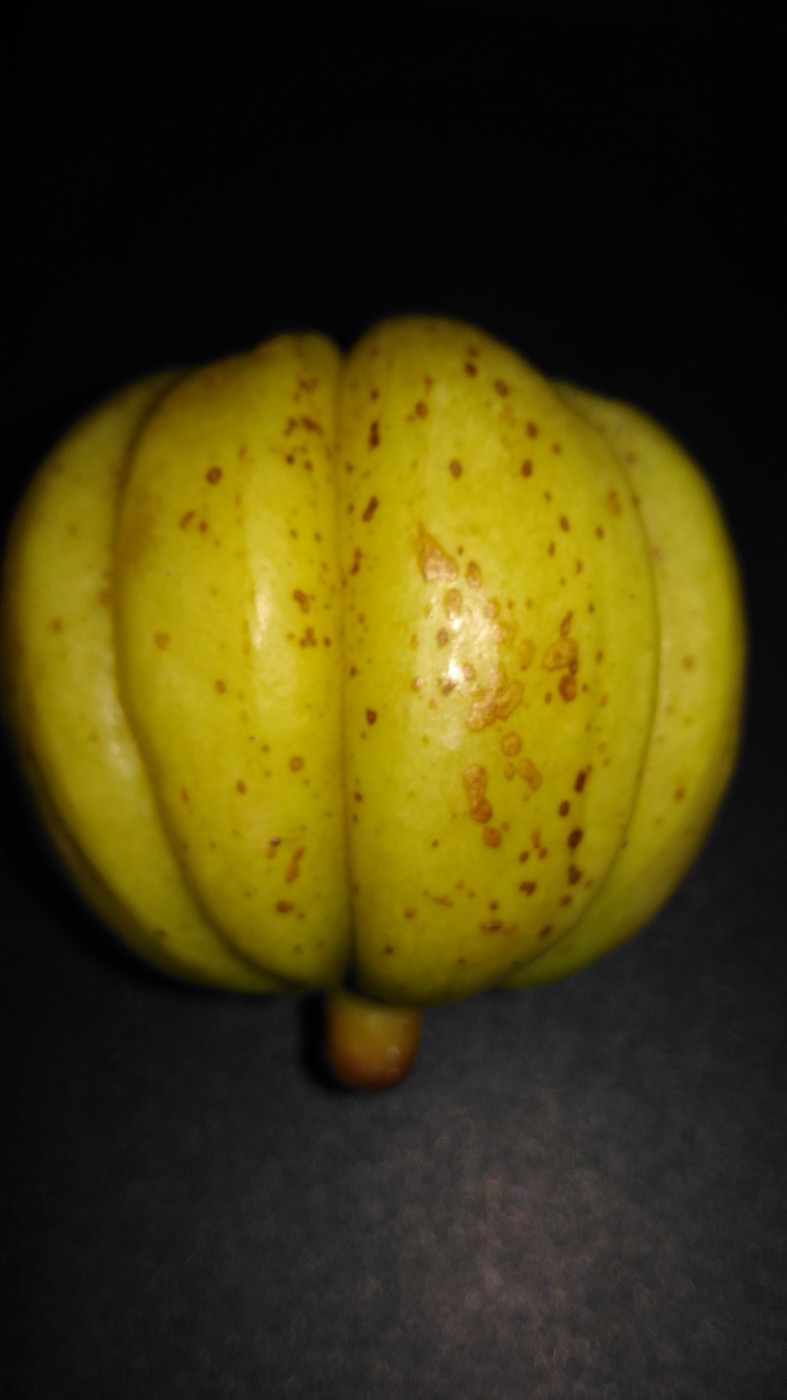
Garcinia Cambogia Capsules
Hard capsules filled with Garcinia gummi-gutta fruit-rind extract standardised to 50-60% hydroxycitric acid by HPLC. Vegan HPMC or bovine gelatin shell, contract-manufactured in India for private label.
Green Tea Complex Capsules
Multi-ingredient capsule built on Camellia sinensis leaf extract with green coffee, L-carnitine L-tartrate, chromium and piperine. EGCG per portion dosed under Regulation (EU) 2022/2340.
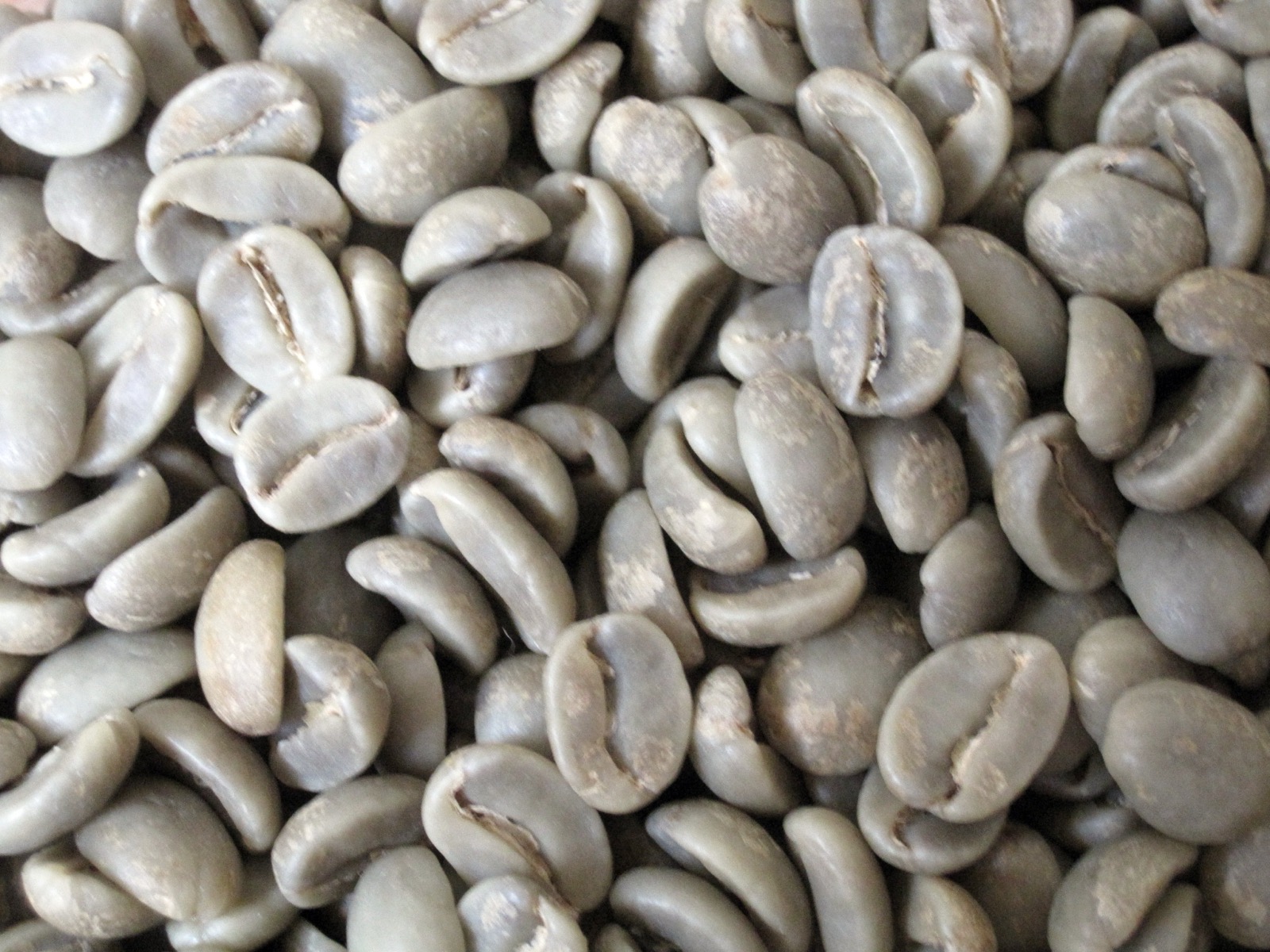
Green Coffee Bean Capsules
Hard capsules of unroasted Coffea canephora seed extract standardised to 45-50% total chlorogenic acids by HPLC, with caffeine measured and declared per batch. Vegan HPMC or bovine gelatin shell.