Berberine hydrochloride capsules
Capsules built on berberine hydrochloride, CAS 633-65-8, NLT 97% by HPLC, isolated from Berberis aristata root and stem bark. Vegan HPMC shell as standard; gelatin origin declared where used.
Specifications
| Active identity | Berberine hydrochloride, C20H18ClNO4, MW 371.8, CAS 633-65-8. The berberine cation is C20H18NO4+, MW 336.4, CAS 2086-83-1, PubChem CID 2353. |
| Salt-to-base conversion | The chloride salt is 90.5% berberine cation by mass (336.4 / 371.85). Always state whether a label figure is berberine HCl or berberine base — the two are not interchangeable. |
| Assay and grades | Berberine HCl NLT 97.0% by HPLC on the dried basis as the standard article, with a 98.0% grade to order. Fill weight and capsule size fixed at order confirmation. |
| Botanical origin | Berberis aristata DC. — Indian barberry, tree turmeric, Daruharidra — root and stem bark from the Himalayas. Coptis chinensis and Phellodendron amurense are alternates. |
| Chemical class and appearance | Quaternary ammonium benzylisoquinoline (protoberberine) alkaloid. Bright yellow crystalline powder and a strong natural pigment; bitter taste. |
| Solubility and colour handling | Sparingly soluble in cold water, more soluble hot; poorly soluble in most organic solvents. Colour bleed into clear shells is expected — specify opaque or coloured caps. |
| Capsule shell and origin | HPMC shell for a vegan article. Bovine gelatin quoted on request; porcine is not used unless requested in writing. Shell origin is stated on every batch record. |
| Fill and capsule specification | Size 0 and size 1 shells, fill 300–600 mg with MCC, silicon dioxide and vegetable magnesium stearate. Disintegration NMT 30 min at 37 °C; fill moisture NMT 6.0%. |
| Extraction and residual solvents | Isolated with food-grade acidified water and ethanol, then recrystallised. No class 1 solvents; residues reported against ICH Q3C class 2 and class 3 limits per lot. |
| Contaminant limits | Lead NMT 3.0 ppm, arsenic NMT 1.0 ppm, cadmium NMT 1.0 ppm, mercury NMT 0.1 ppm. Total plate count NMT 10,000 cfu/g; E. coli, Salmonella and S. aureus absent. |
| Allergen, origin and diet status | HPMC build is vegan, vegetarian and non-GMO, with no milk, egg, soy, fish, crustacean, gluten, sesame, peanut or nut input. A gelatin shell makes the article bovine, not vegan. |
| Regulatory and claim discipline | Thovek makes no health claim for berberine. Botanical claims are unresolved in the EU register and national positions differ; confirm status for each destination market. |
| Shelf life and storage | 24 months from manufacture below 25 °C and 60% RH in the sealed original container. A yellow alkaloid — keep finished packs away from prolonged daylight. |
| HS code | 21069099 (India ITC-HS) for the encapsulated article. Bulk berberine HCl powder is 29397900 instead — see the classification note before consolidating a shipment. |
Applications
Available grades
Berberine HCl NLT 97% by HPLC (standard) and NLT 98% to order; standard fills at 250 mg, 400 mg, 500 mg and 600 mg of berberine HCl, or set on a berberine-base basis to your specification; vegan HPMC shells in size 0 and size 1 as standard, bovine gelatin on request; standardised Berberis aristata root-bark extracts at 10%, 60% and 85% berberine for tableting; bulk berberine HCl powder supplied separately.
Related products
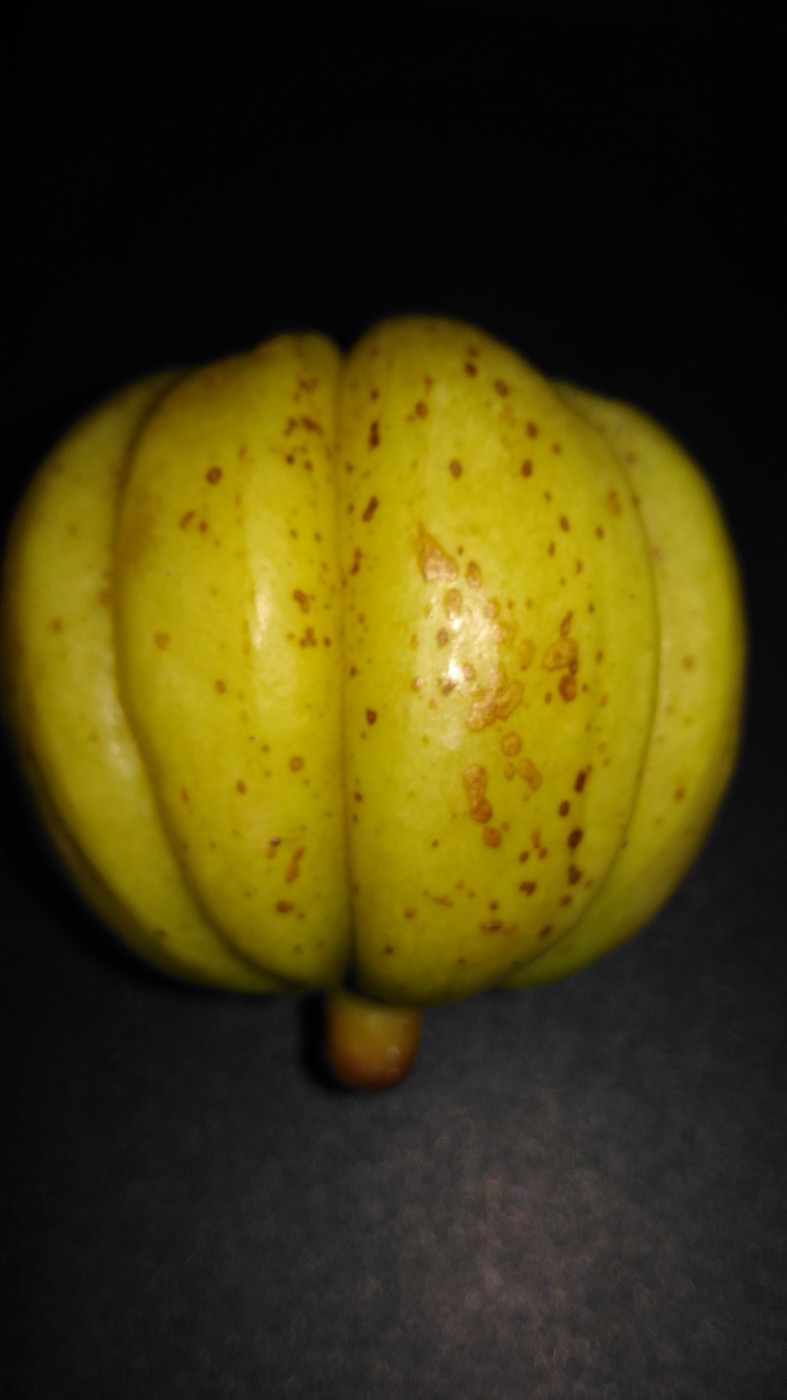
Garcinia Cambogia Capsules
Hard capsules filled with Garcinia gummi-gutta fruit-rind extract standardised to 50-60% hydroxycitric acid by HPLC. Vegan HPMC or bovine gelatin shell, contract-manufactured in India for private label.
Green Tea Complex Capsules
Multi-ingredient capsule built on Camellia sinensis leaf extract with green coffee, L-carnitine L-tartrate, chromium and piperine. EGCG per portion dosed under Regulation (EU) 2022/2340.
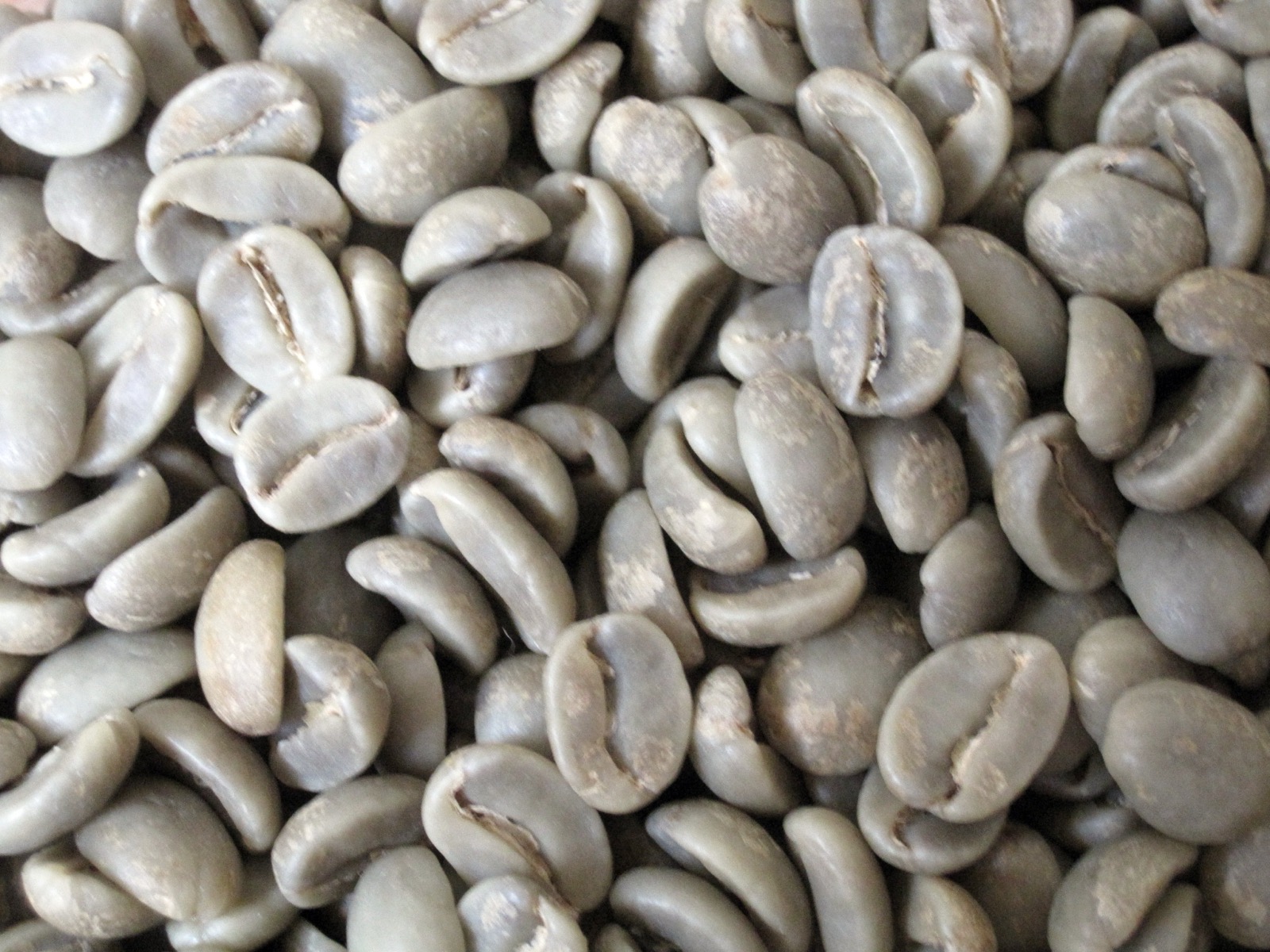
Green Coffee Bean Capsules
Hard capsules of unroasted Coffea canephora seed extract standardised to 45-50% total chlorogenic acids by HPLC, with caffeine measured and declared per batch. Vegan HPMC or bovine gelatin shell.