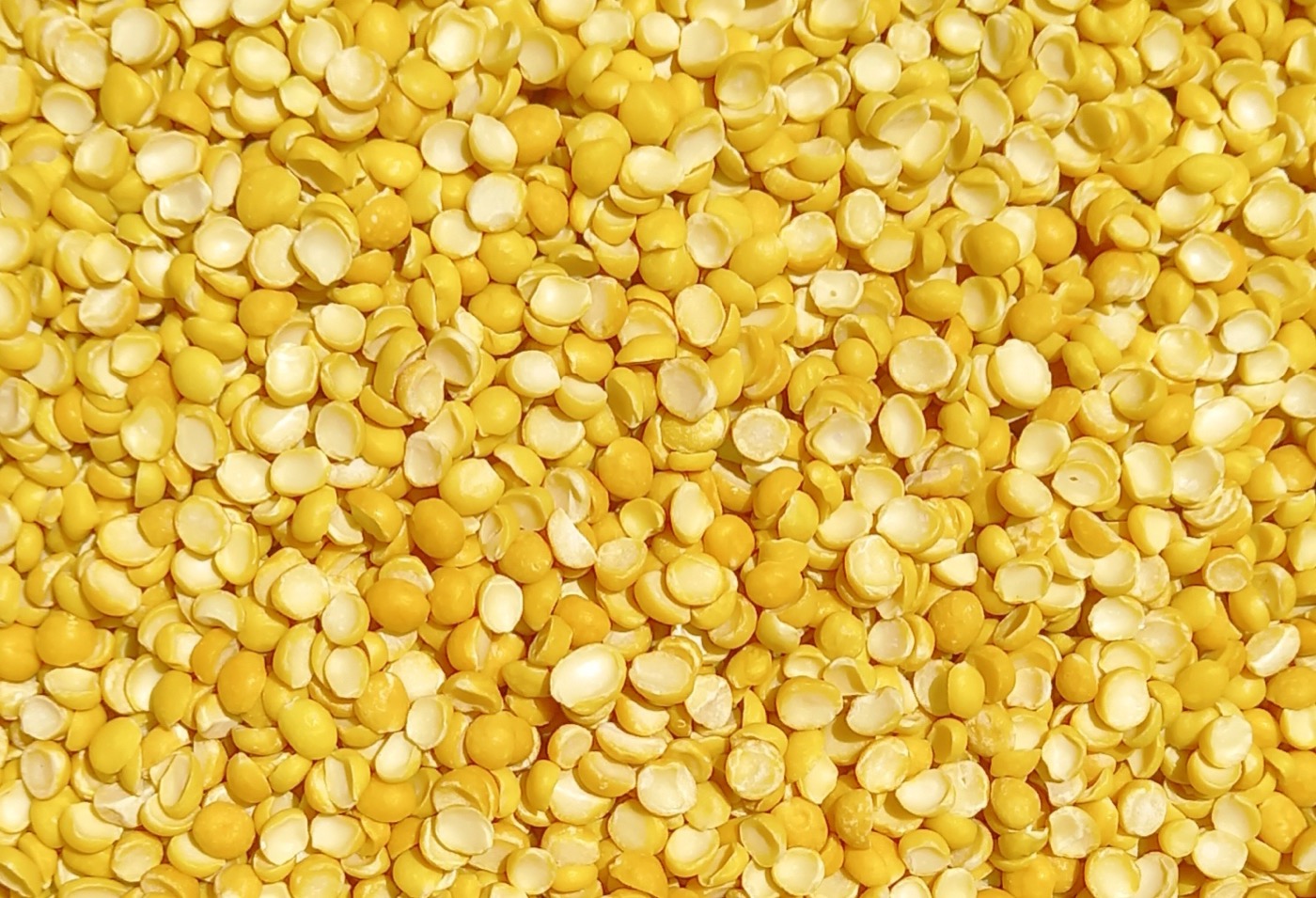
Vegan sports protein blend
Bulk plant protein system pairing yellow pea isolate with rice protein at 80% minimum protein, so pea's lysine covers rice's gap and rice's methionine covers pea's. Vegan, soy-free, gluten-free.
Specifications
| Composition | Yellow pea protein isolate (Pisum sativum L.) with rice protein (Oryza sativa L.). Standard build 70:30 by protein contribution; ratio fixed on contract, stated on the CoA. |
| Protein content | 80% minimum crude protein (N x 6.25) as-is on the unflavoured base. Flavoured and sweetened builds run lower, typically 70-78%, and are declared as supplied. |
| Why the pair works | Pea is lysine-rich but limited in methionine and cysteine; rice is the reverse. Together they cover all nine indispensable amino acids that neither source covers alone. |
| Amino acid scoring | Pea protein isolate alone: PDCAAS about 0.89, DIAAS about 0.80. Rice alone is lysine-limited at 2.7-3.1% of total amino acids. Blend scored per lot on request. |
| BCAA and leucine | Rice protein runs about 18% BCAA of total amino acids; pea contributes the greater share of leucine. Fermented free L-leucine top-up available to hit a declared per-serve figure. |
| Appearance and particle size | Free-flowing pale cream to light beige powder, 95% through 100 mesh (150 micron) as standard. Agglomerated grade for cold-water wetting; 200 mesh for bars and beverages. |
| Sensory and solubility | Legume note from pea, mild cereal note from rice. Neither base truly dissolves: pea is pH dependent, poorest near pI 4.5; rice suspends and settles out of a still liquid. |
| Moisture, fat and ash | Moisture NMT 8.0%; fat typically 3-5% because pea is not solvent-defatted; ash typically 4-5%. Residual pea lipid is what drives flavour drift, so store cool. |
| Allergen status | No milk, egg, soy, fish, crustacean, peanut, tree nut or gluten input. Neither pea nor rice is declarable under FSSAI, US FALCPA or EU 1169/2011 Annex II. |
| Cross-reactivity caution | Pea is a legume with documented cross-reactivity in peanut- and lupin-sensitive individuals. Not label-mandated, but declare shared-line risk and state the legume origin. |
| Origin and dietary status | Vegan and vegetarian. No bovine, porcine, marine or dairy input at any stage. Rice fraction is enzymatic and hexane-free; pea is non-GM by source, no GM field pea is grown. |
| Heavy metals | Speciated inorganic arsenic by ICP-MS on the rice fraction, every lot. Reference points: Codex 0.35 mg/kg in husked rice, EU 0.15 mg/kg in non-parboiled milled rice. |
| Shelf life and sports testing | 24 months in unopened original packaging, cool and dry. Made without WADA-prohibited substances; independent banned-substance batch certification on request. |
| HS code | 21061000 (India ITC-HS) - protein concentrates and textured protein substances. Rare case where the sheet is right; see the classification note for why. |
Applications
Available grades
Unflavoured 80% base as standard; agglomerated and instantised grade for shaker and cold-water use; deflavoured grade where the legume note limits inclusion; 200 mesh fine grind for bars and beverage systems; organic certified to NPOP, NOP and EU rules on request; higher-protein builds using an 85% or 90% rice fraction; and leucine- or BCAA-topped versions where a declared per-serve amino acid figure is required.
Related products
Pre-Workout Blend
Compounded pre-workout powder base built to your formula from beta-alanine, L-citrulline DL-malate, caffeine anhydrous, taurine, betaine and L-tyrosine. Vegan, dairy-free, flavoured or neutral.
Post-Workout Recovery Blend
Made-to-formula recovery powder pairing fast carbohydrate with whey protein, BCAA 2:1:1, L-glutamine, creatine monohydrate and electrolytes. Milk allergen; vegan build available.
Whey Protein (Sports Grade)
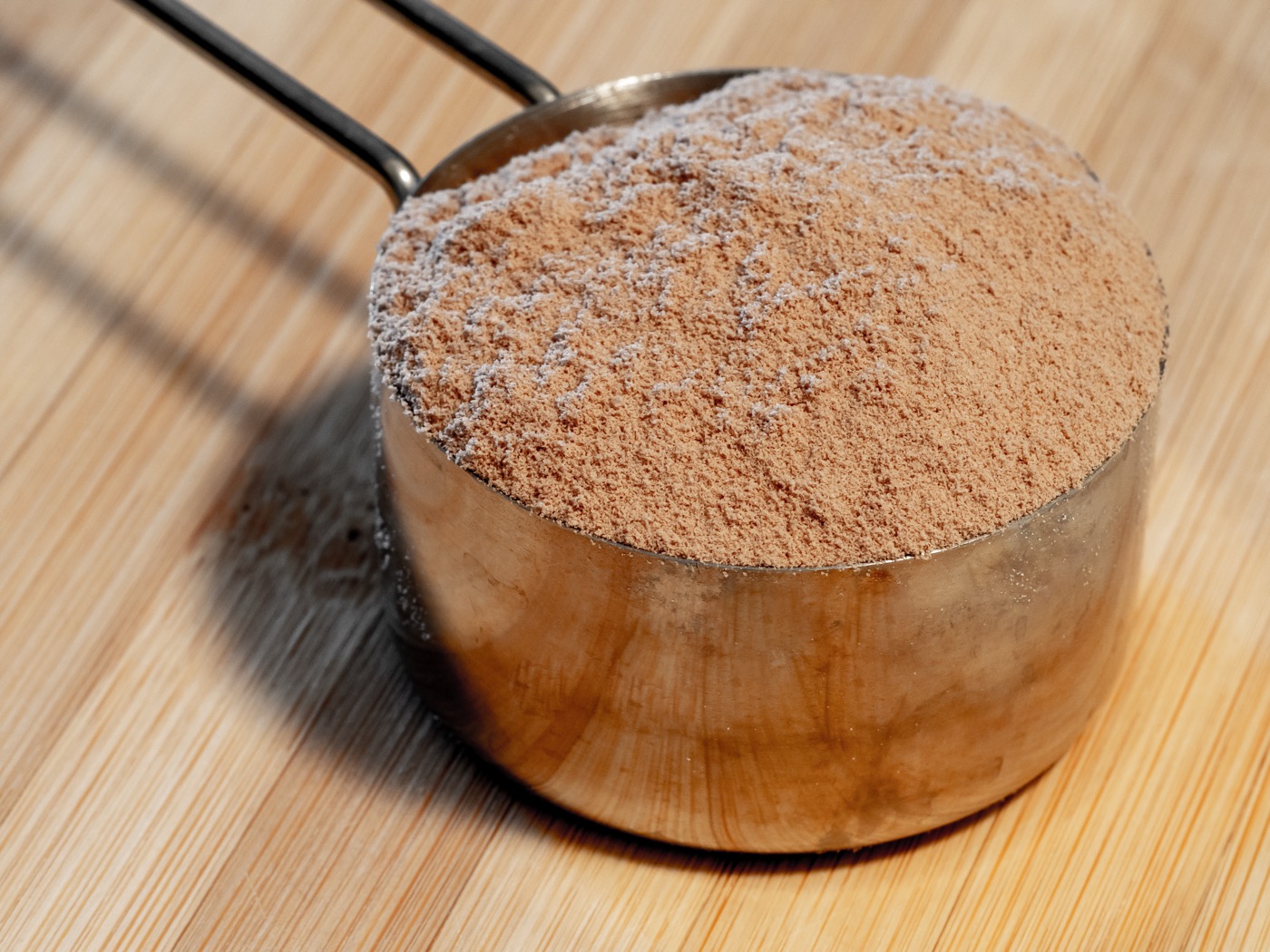
Sports-grade bovine whey protein as WPC 80 (80-82% protein) or WPI 90 (90% min, dry basis). Instantised, high leucine and BCAA, full amino profile. Contains MILK; soy if lecithinated.