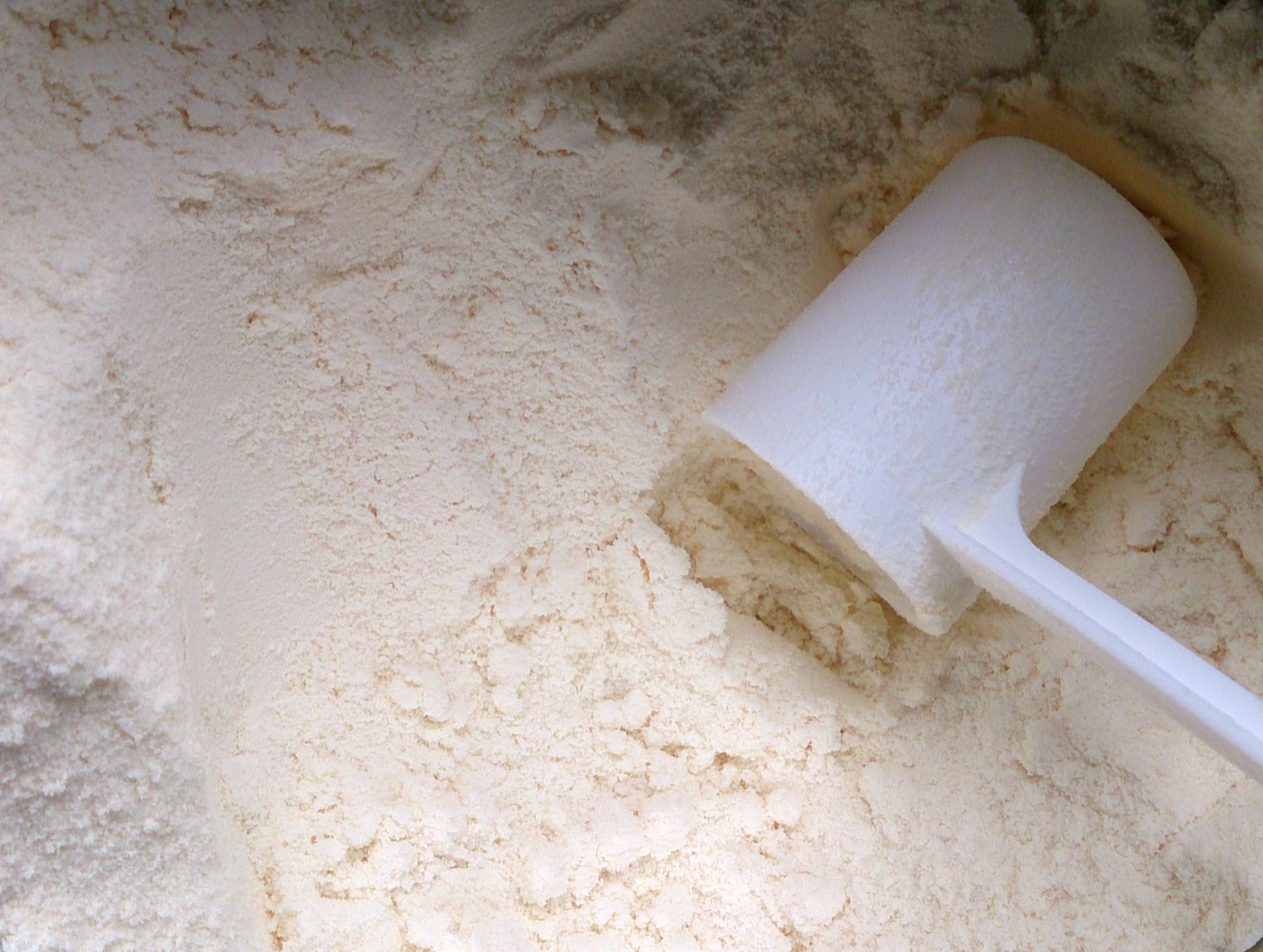
Micellar Casein Night Protein
Cold-microfiltered micellar casein, minimum 80% protein on the dry basis, native micelle intact. The slow-release milk protein used in night-time recovery formats. Contains milk.
Specifications
| Product type | Micellar casein concentrate obtained by cold microfiltration of pasteurised bovine skim milk; no acid, rennet or heat coagulation |
| Protein, dry basis | Minimum 80.0%, typical 80-88%, determined by Kjeldahl nitrogen using the milk factor N x 6.38 |
| Casein to whey ratio | Approximately 80:20 as found in native milk; micellar structure and colloidal calcium phosphate retained |
| Protein fractions | Alpha-s1, alpha-s2, beta and kappa casein in native micellar form; isoelectric point pH 4.6 |
| Milk fat | Typical not more than 1.5%; specification maximum 2.0% |
| Lactose | Typically 0.5-5.0% depending on the protein level supplied. This is not a lactose-free ingredient |
| Moisture and ash | Moisture not more than 6.0%; ash typically 7-8%, reflecting the retained colloidal calcium and phosphorus |
| Appearance and solubility | Cream to light-yellow powder; disperses to a viscous opaque suspension; poorly soluble near pH 4.6, viscosity builds on standing |
| Allergen declaration | CONTAINS MILK. Declarable under EU Regulation 1169/2011 Annex II, US FALCPA and FSSAI packaging and labelling regulations |
| Dietary status | Bovine dairy origin. Vegetarian suitable, as microfiltration uses no animal rennet. NOT vegan. No porcine, marine, egg or gelatin inputs |
| Free from | Soy, egg, fish, crustacean, peanut, tree nut and gluten. Any lecithin used to instantise is declared as soy or sunflower |
| Microbiology | Salmonella absent in 25 g; Listeria monocytogenes absent in 25 g; E. coli absent in 1 g; balance of the panel to buyer specification |
| Shelf life | 18-24 months in unopened original packaging stored below 25 °C at under 65% RH, away from strong odours |
| HS code | India ITC-HS 35011000, casein. See the classification note, which differs from the code shown on the enquiry sheet |
Applications
Available grades
Micellar casein concentrate at 80% protein and micellar casein isolate at 85-88%; instantised lecithinated grade for cold-water dispersion; agglomerated grade for dry blending; calcium caseinate and sodium caseinate supplied separately where neutral-pH solubility is required. Kosher and halal dairy documentation available on request.
Related products
Pre-Workout Blend
Compounded pre-workout powder base built to your formula from beta-alanine, L-citrulline DL-malate, caffeine anhydrous, taurine, betaine and L-tyrosine. Vegan, dairy-free, flavoured or neutral.
Post-Workout Recovery Blend
Made-to-formula recovery powder pairing fast carbohydrate with whey protein, BCAA 2:1:1, L-glutamine, creatine monohydrate and electrolytes. Milk allergen; vegan build available.
Whey Protein (Sports Grade)
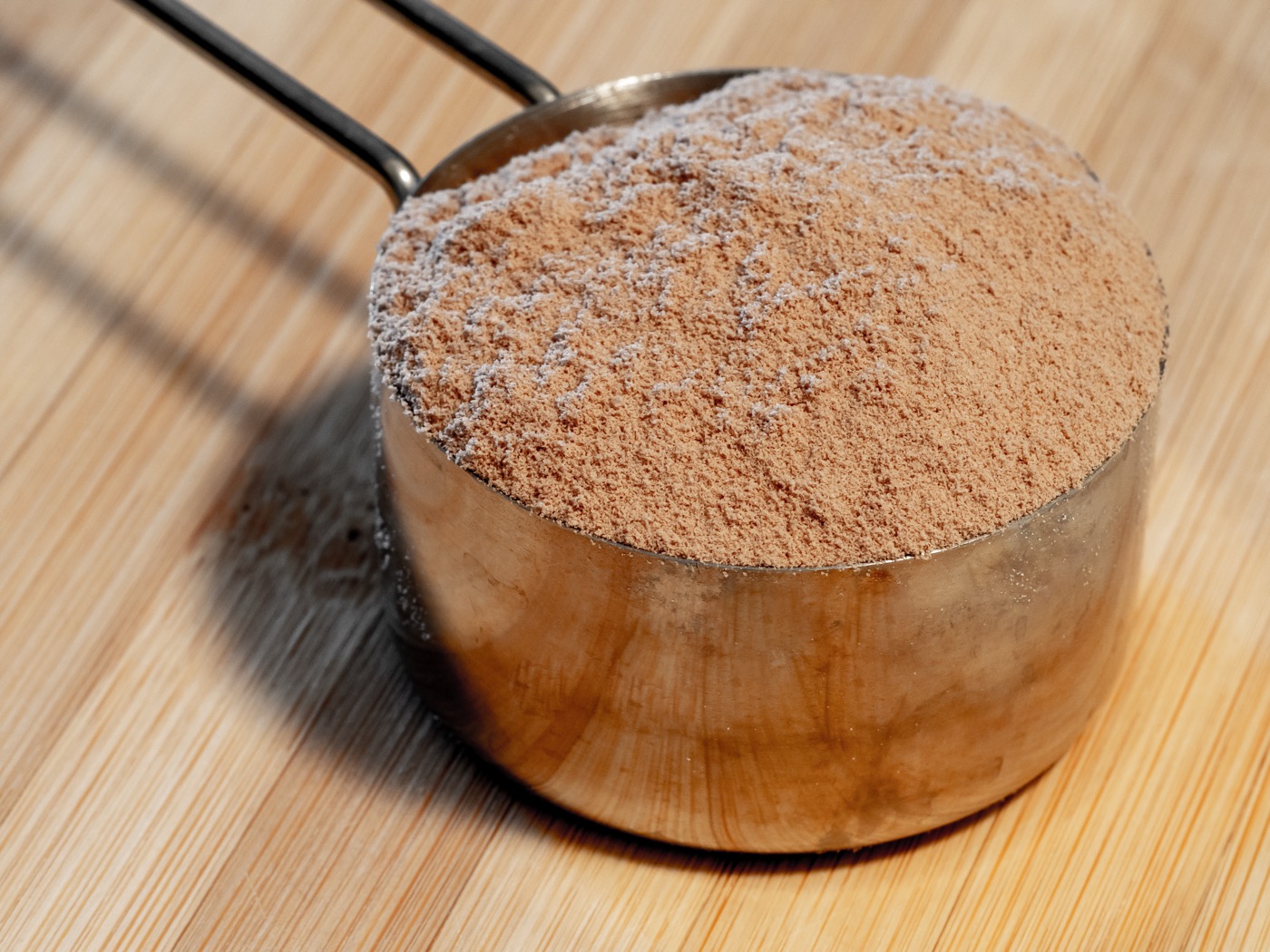
Sports-grade bovine whey protein as WPC 80 (80-82% protein) or WPI 90 (90% min, dry basis). Instantised, high leucine and BCAA, full amino profile. Contains MILK; soy if lecithinated.