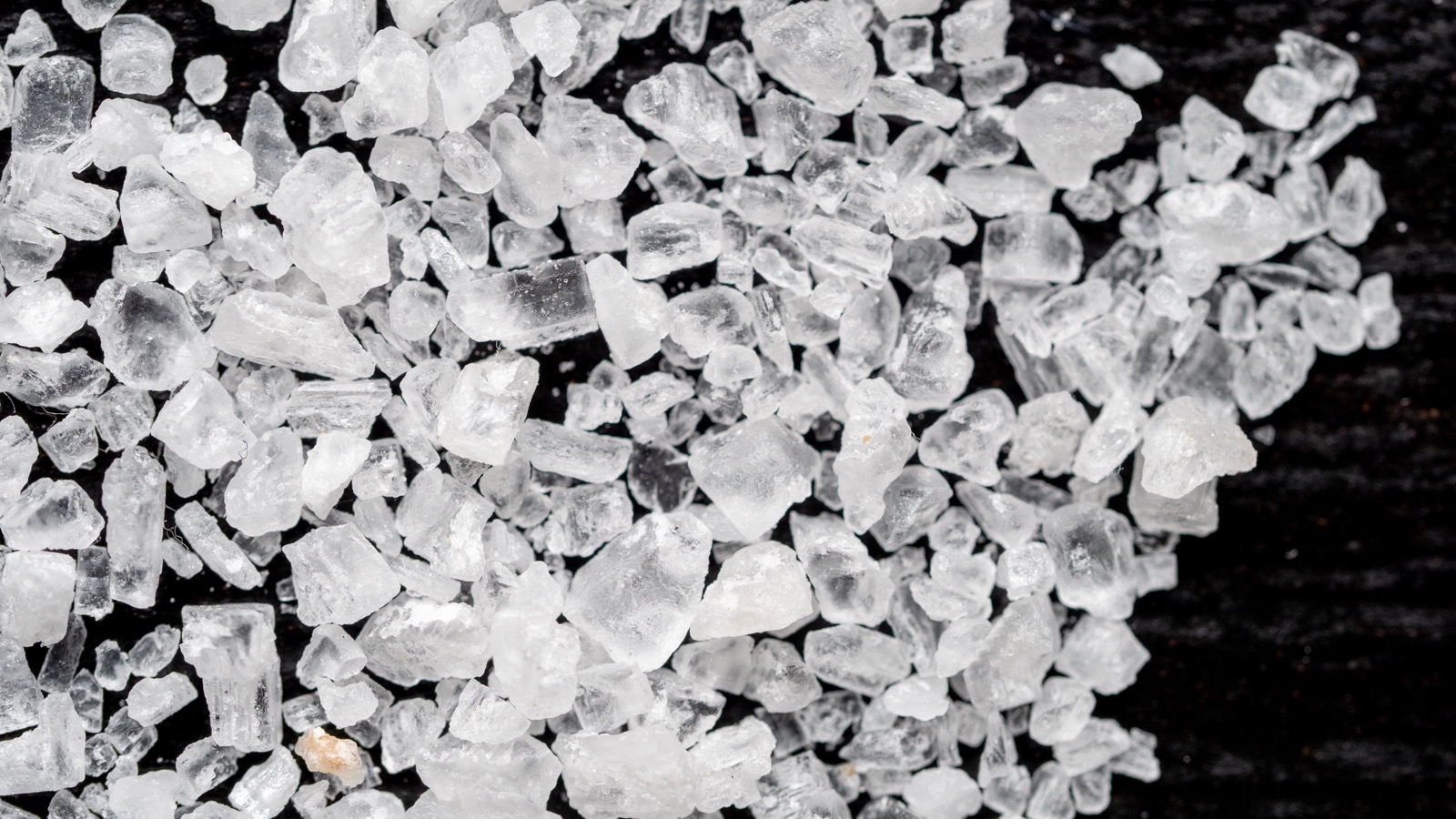
Mass gainer
Bulk mass gainer base built carbohydrate-first at a 3:1 carb-to-protein ratio, roughly 370-400 kcal per 100 g. Dairy or vegan protein system, supplied unflavoured for the buyer to flavour and pack.
Specifications
| Product type | Carbohydrate-dominant dry compound blend for weight-gain formats. Not a protein concentrate, and not a nutritionally complete meal replacement. |
| Energy density | Approximately 370-400 kcal per 100 g depending on fat load. A 100 g serve gives about 380 kcal and a 300 g serve about 1,150 kcal in a standard build. |
| Carbohydrate to protein ratio | 3:1 standard, the common commercial mass-gainer shape. Builds from 2:1 up to 5:1 to order; higher ratios raise calorie density and cut protein per serve. |
| Carbohydrate system | Maltodextrin DE 10-20 (CAS 9050-36-6) as the base, with dextrose monohydrate (CAS 14431-43-7), plus oat flour or waxy maize starch for a lower-DE profile. |
| Protein system, dairy build | Whey protein concentrate at 80% protein, milk protein concentrate and calcium caseinate. WPC at or below 80% protein on dry matter sits in HS 0404; above 80% it moves to 3502. |
| Protein system, vegan build | Pea protein isolate with rice protein in a complementary ratio, plus faba or pumpkin protein where amino acid profile or viscosity needs adjusting. |
| Fat and MCT | Typically 3-8% of the blend. Supplied as spray-dried MCT powder at 60-70% oil on an acacia or maltodextrin carrier, or as sunflower lecithin with flaxseed powder. |
| Appearance and dispersion | Free-flowing off-white to cream powder before flavouring. Lecithin-instantised so it disperses in water or milk with a hand shaker without lumping. |
| Physical limits | Loss on drying not more than 5.0%. Bulk density 0.35-0.55 g/mL. Not less than 95% through 40 mesh (approx. 425 micron); coarser cuts to order. |
| Purity and microbiology | Total plate count max 10,000 cfu/g; yeast and mould max 100 cfu/g; E. coli, Salmonella and S. aureus absent. Lead, arsenic, cadmium and mercury reported per lot. |
| Allergen status | Dairy build declares MILK. Soy lecithin or soy protein declares SOY; oat or wheat components declare GLUTEN. No egg, fish, crustacean, peanut or tree nut in the standard build. |
| Origin and dietary status | Dairy build is bovine-derived and vegetarian, not vegan. No porcine, gelatin or marine material. Fully vegan build available. Halal and kosher certification on request. |
| Shelf life and storage | 18 months unopened below 25 degrees C in a dry place. The blend is hygroscopic once the liner is opened; reseal and use within 30 days of first opening. |
| HS code | 21069099 (India ITC-HS), other food preparations not elsewhere specified. Not the sheet's 21061000; see the classification note. |
Applications
Available grades
Standard 3:1 carb-to-protein dairy build; 2:1 higher-protein build; 4:1 and 5:1 high-calorie builds; fully vegan pea-rice build; unflavoured base plus chocolate and vanilla flavoured versions; instantised and non-instantised; creatine-loaded and enzyme-loaded variants.
Related products
Pre-Workout Blend
Compounded pre-workout powder base built to your formula from beta-alanine, L-citrulline DL-malate, caffeine anhydrous, taurine, betaine and L-tyrosine. Vegan, dairy-free, flavoured or neutral.
Post-Workout Recovery Blend
Made-to-formula recovery powder pairing fast carbohydrate with whey protein, BCAA 2:1:1, L-glutamine, creatine monohydrate and electrolytes. Milk allergen; vegan build available.
Whey Protein (Sports Grade)
Sports-grade bovine whey protein as WPC 80 (80-82% protein) or WPI 90 (90% min, dry basis). Instantised, high leucine and BCAA, full amino profile. Contains MILK; soy if lecithinated.