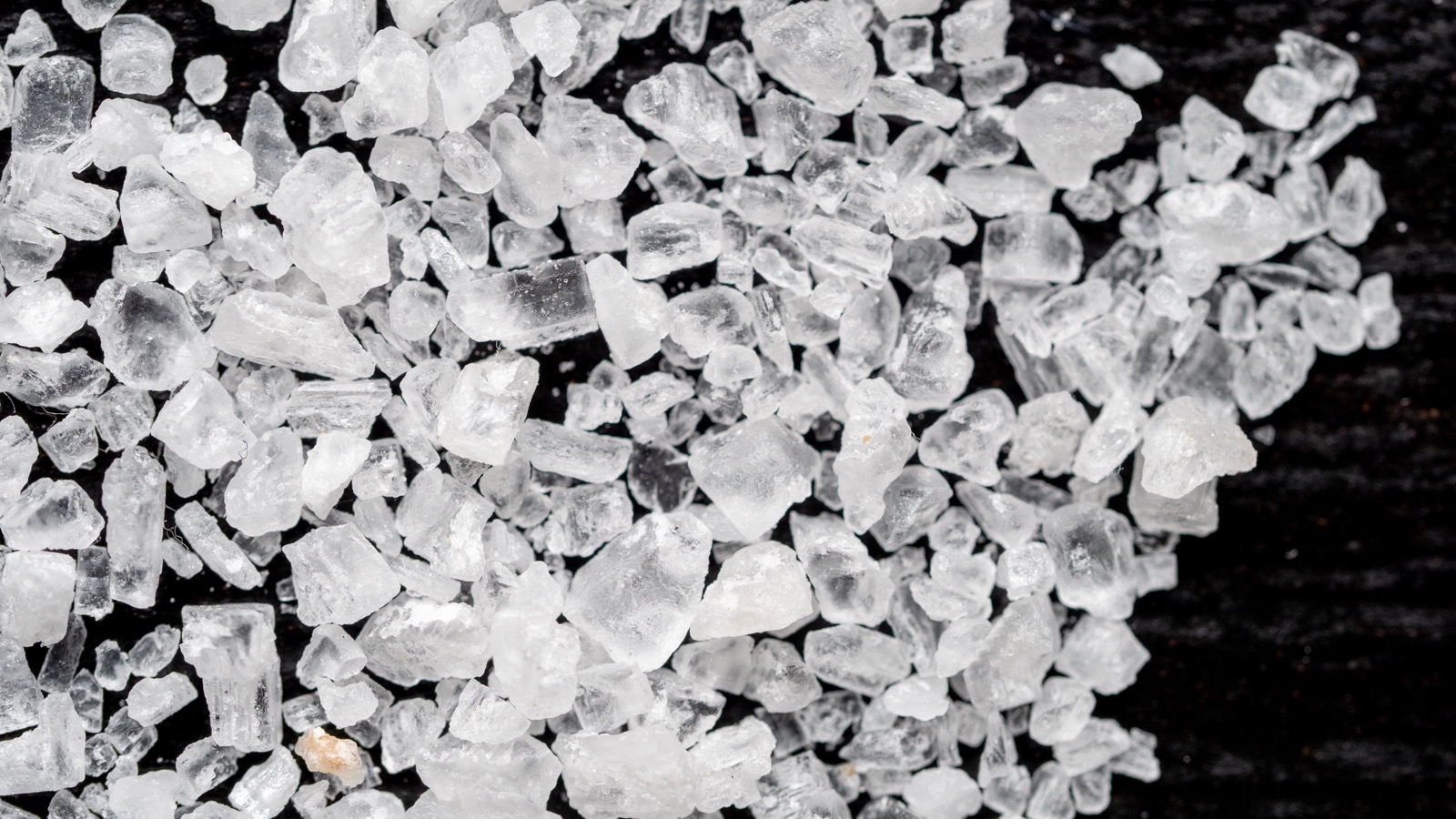
Electrolyte energy powder
Carbohydrate-electrolyte drink powder for a 6-8% isotonic dissolution, with sodium, potassium and magnesium salts. Stick pack or bulk, caffeinated or plain. Vegan and free of all major allergens.
Specifications
| Product type | Dry compound preparation for reconstitution in water: glucose polymers and dextrose, sodium, potassium and magnesium salts, acidulant, sweetener and flavour. |
| Compositional target | Built inside the EU Reg. 432/2012 window for carbohydrate-electrolyte solutions: 80-350 kcal/L from carbohydrate, sodium 20-50 mmol/L, osmolality 200-330 mOsm/kg water. |
| Carbohydrate system | Dextrose monohydrate CAS 14431-43-7 with maltodextrin DE 10-20, CAS 9050-36-6. Standard isotonic build dissolves at 6-8% w/v, that is 60-80 g carbohydrate per litre. |
| Sodium sources | Sodium chloride CAS 7647-14-5 and trisodium citrate dihydrate CAS 6132-04-3 (E331). The citrate carries sodium without the salt bite and buffers the acidulant. |
| Potassium and magnesium | Potassium chloride CAS 7447-40-7 with potassium citrate. Magnesium as trimagnesium dicitrate anhydrous CAS 3344-18-1, C12H10Mg3O14, MW 451.13, about 16% magnesium. |
| Reduced-osmolarity reference build | Separate WHO/UNICEF build: NaCl 2.6 g, trisodium citrate dihydrate 2.9 g, KCl 1.5 g, anhydrous glucose 13.5 g per litre; Na 75, K 20, Cl 65, citrate 10 mmol/L; 245 mOsm/L. |
| Optional energy actives | Caffeine anhydrous CAS 58-08-2, taurine, and a B-vitamin premix of thiamine, riboflavin, niacin, B6 and B12. Caffeine is capped by the destination market's limit. |
| Acidulant, sweetener and flavour | Citric acid anhydrous and malic acid for tartness; sucralose CAS 56038-13-2 or steviol glycosides; spray-dried citrus, berry or lemon-lime on a maltodextrin carrier. |
| Appearance and dissolution | Free-flowing white to lightly tinted granulate. Dissolves fully in cold water in 30-60 seconds with light agitation, giving a clear to slightly opalescent drink. |
| Moisture and hygroscopicity | Loss on drying not more than 1.0%. Citrates and chlorides pull moisture hard, so blending and filling should run below 40% relative humidity. |
| Purity and microbiology | Lead, arsenic, cadmium and mercury reported per lot. Total plate count max 1,000 cfu/g; yeast and mould max 100 cfu/g; Salmonella and E. coli absent. |
| Allergen status and origin | Free of milk, egg, soy, fish, crustacean, gluten, peanut and tree nut. Vegan, with no bovine, porcine, gelatin or marine input. Flavour and colour carriers checked per lot. |
| Shelf life and storage | 24 months in sealed foil laminate below 25 degrees C. Opened bulk cakes quickly in humid air; single-serve stick packs avoid the problem entirely. |
| HS code | 21069099 (India ITC-HS) as the lead code, with 21069050 arguable. Not the sheet's 21061000; see the classification note. |
Applications
Available grades
Standard isotonic 6-8% w/v build; low-carbohydrate stick-pack build for a 250-500 mL serve; WHO-format reduced-osmolarity electrolyte build; caffeinated version; sugar-free build on maltodextrin with high-intensity sweetener; unflavoured base plus citrus, berry and lemon-lime.
Related products
Pre-Workout Blend
Compounded pre-workout powder base built to your formula from beta-alanine, L-citrulline DL-malate, caffeine anhydrous, taurine, betaine and L-tyrosine. Vegan, dairy-free, flavoured or neutral.
Post-Workout Recovery Blend
Made-to-formula recovery powder pairing fast carbohydrate with whey protein, BCAA 2:1:1, L-glutamine, creatine monohydrate and electrolytes. Milk allergen; vegan build available.
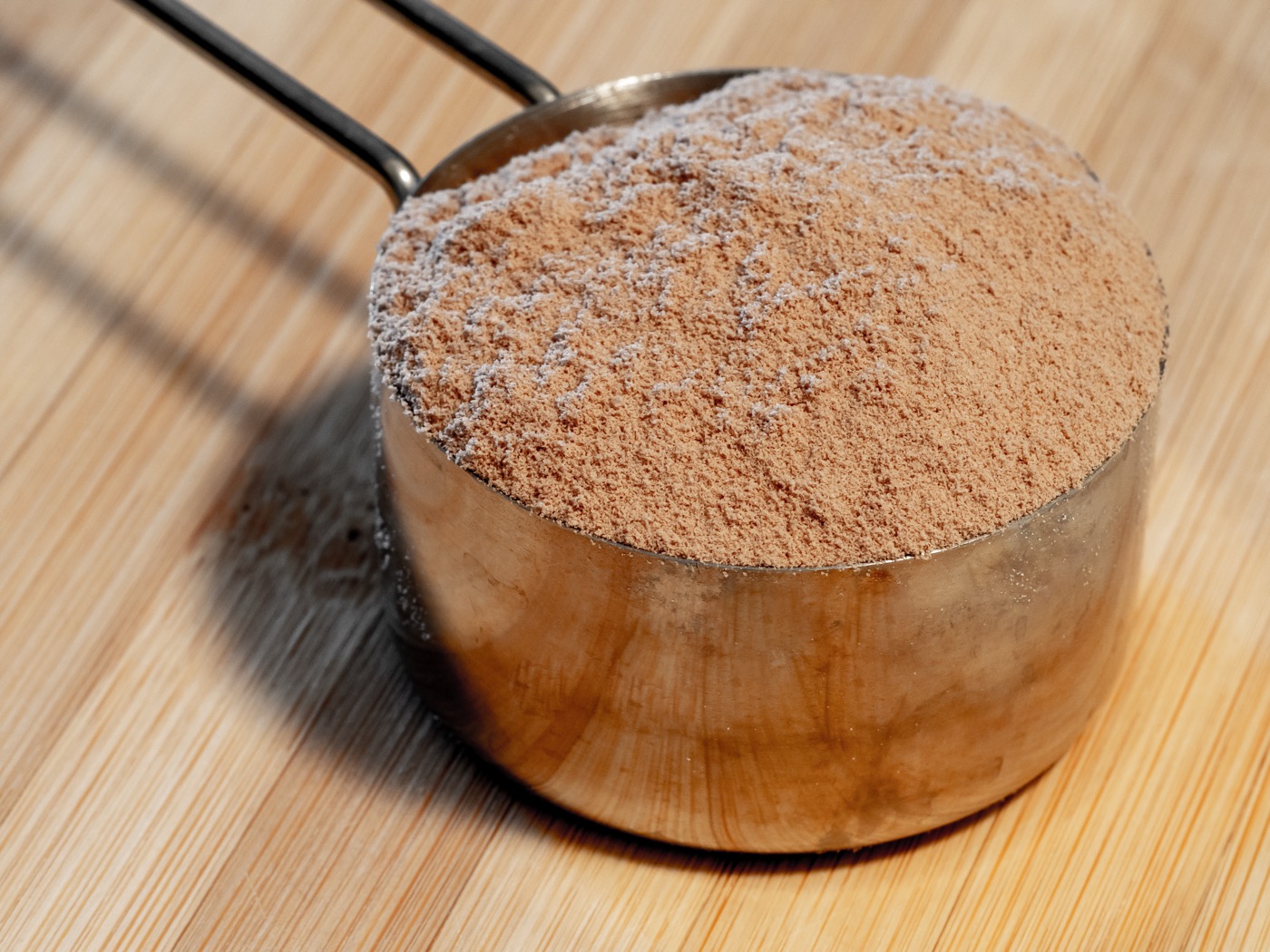
Whey Protein (Sports Grade)
Sports-grade bovine whey protein as WPC 80 (80-82% protein) or WPI 90 (90% min, dry basis). Instantised, high leucine and BCAA, full amino profile. Contains MILK; soy if lecithinated.