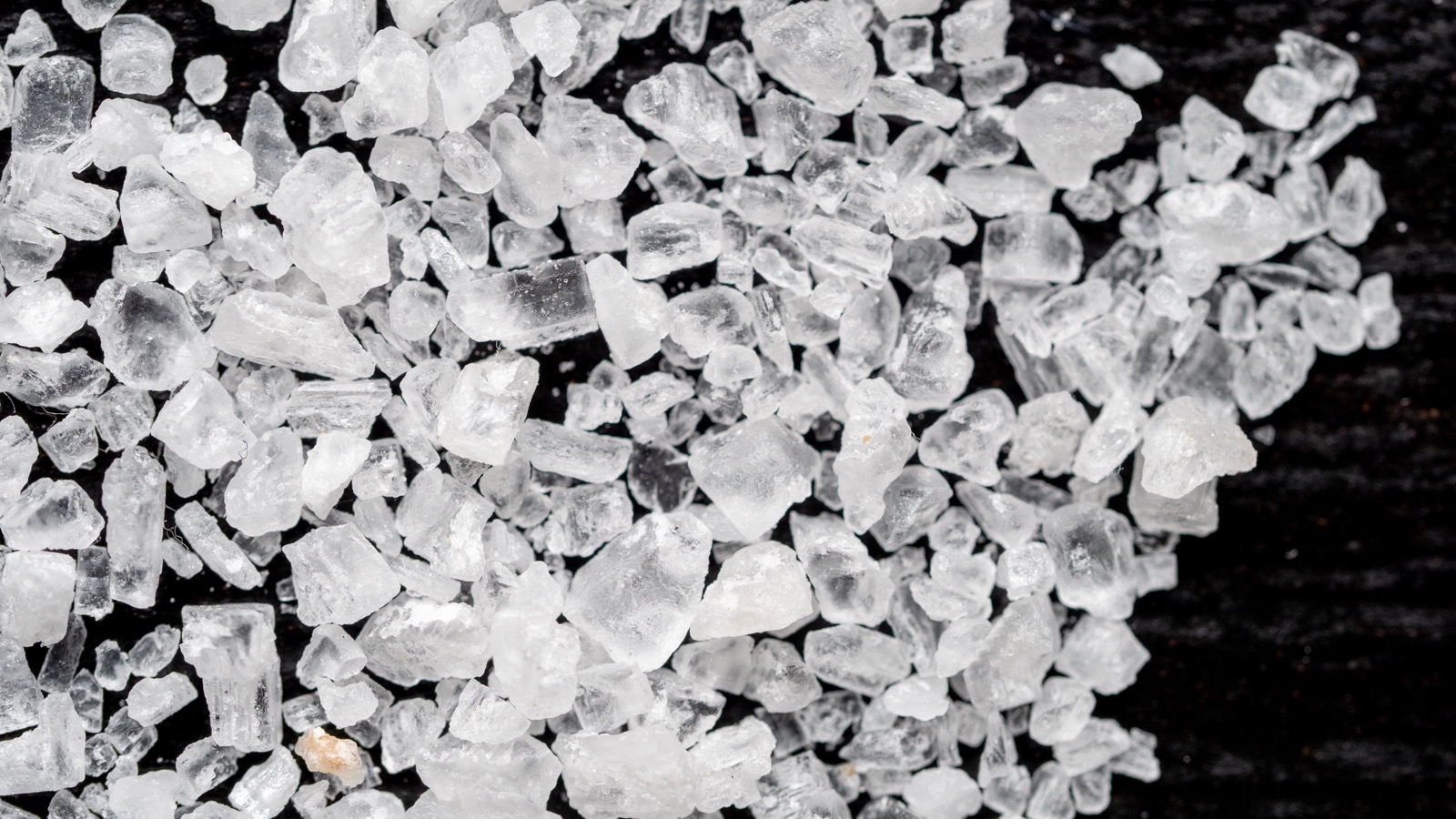
Creatine + BCAA blend
Dry blend of creatine monohydrate (CAS 6020-87-7) with L-leucine, L-isoleucine and L-valine at 2:1:1. Standard build puts 3 g creatine and 5 g BCAA in an 8 g serve. Vegan and free of major allergens.
Specifications
| Product type | Dry physical blend of four chemically defined actives. Not a separate chemically defined compound, so Chapter 29 is closed to it by Note 1 to that chapter. |
| Standard composition (w/w) | Creatine monohydrate 37.5%, L-leucine 31.25%, L-isoleucine 15.625%, L-valine 15.625%. That is 3 g creatine and 5 g of 2:1:1 BCAA in an 8 g serve. |
| Creatine identity and assay | Creatine monohydrate, CAS 6020-87-7, C4H9N3O2.H2O, MW 149.15, 87.9% creatine base. USP assay 98.0-102.0% on the dried basis; lots typically 99.0% and above. |
| BCAA identity and assay | L-Leucine CAS 61-90-5 and L-isoleucine CAS 73-32-5, both C6H13NO2, MW 131.17; L-valine CAS 72-18-4, C5H11NO2, MW 117.15. Each not less than 98.5%, dried basis. |
| Creatine purity limits | Creatinine not more than 100 mg/kg, dicyandiamide not more than 50 mg/kg, dihydro-1,3,5-triazine not detectable, per the EFSA 2004 AFC opinion specification. |
| Appearance | White to off-white odourless free-flowing crystalline powder. A yellow cast or caking indicates moisture exposure and is grounds for rejecting the lot. |
| Solubility in water at 20-25 degrees C | Creatine monohydrate approx. 13 g/L; L-leucine approx. 22 g/L; L-isoleucine approx. 34 g/L; L-valine approx. 85 g/L. A full serve makes a suspension, not a solution. |
| Particle size | 80 mesh (approx. 180 micron) standard across all four components. A 200 mesh micronised creatine grade and a lecithin-instantised blend are available to order. |
| Moisture and stability | Creatine loss on drying 10.5-12.5% is water of crystallisation, theoretical 12.1%. Creatine converts to creatinine in warm, moist or acidic liquid; avoid low-pH RTD work. |
| Purity and microbiology | Lead, arsenic, cadmium and mercury reported individually against USP <232> and <233>. Total plate count max 1,000 cfu/g; Salmonella and E. coli absent. |
| Origin and production route | Creatine is synthetic from sarcosine and cyanamide, non-animal. The three amino acids are fermentation-derived on non-animal media; route stated on each lot certificate. |
| Allergen status | Free of milk, egg, soy, fish, crustacean, gluten, peanut and tree nut. Vegan and vegetarian, with no bovine, porcine, gelatin or marine input. Halal and kosher on request. |
| Shelf life and storage | 36 months unopened below 25 degrees C, dry and out of direct sunlight. Creatine and free amino acids both pick up moisture; reseal the liner immediately after sampling. |
| HS code | 21069099 (India ITC-HS) for the finished blend. Not the sheet's 21061000, and not Chapter 29; see the classification note. |
Applications
Available grades
Standard 3:5 creatine-to-BCAA blend at an 8 g serve; 1:1 and 1:2 ratios to order; 4:1:1 and 8:1:1 leucine-weighted BCAA fractions; 80 mesh standard and 200 mesh micronised creatine grade; plain or lecithin-instantised; unflavoured base and flavoured versions.
Related products
Pre-Workout Blend
Compounded pre-workout powder base built to your formula from beta-alanine, L-citrulline DL-malate, caffeine anhydrous, taurine, betaine and L-tyrosine. Vegan, dairy-free, flavoured or neutral.
Post-Workout Recovery Blend
Made-to-formula recovery powder pairing fast carbohydrate with whey protein, BCAA 2:1:1, L-glutamine, creatine monohydrate and electrolytes. Milk allergen; vegan build available.
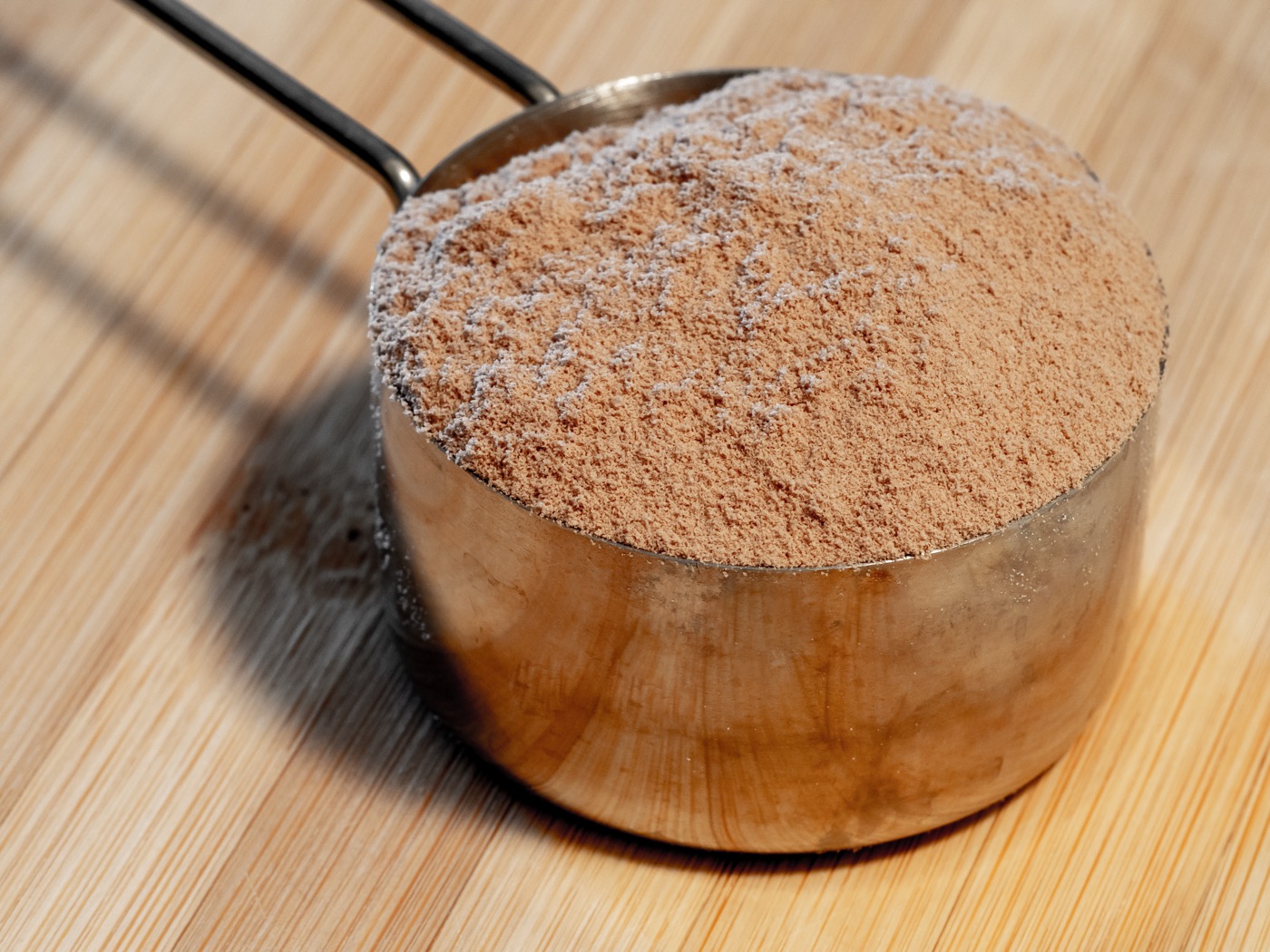
Whey Protein (Sports Grade)
Sports-grade bovine whey protein as WPC 80 (80-82% protein) or WPI 90 (90% min, dry basis). Instantised, high leucine and BCAA, full amino profile. Contains MILK; soy if lecithinated.