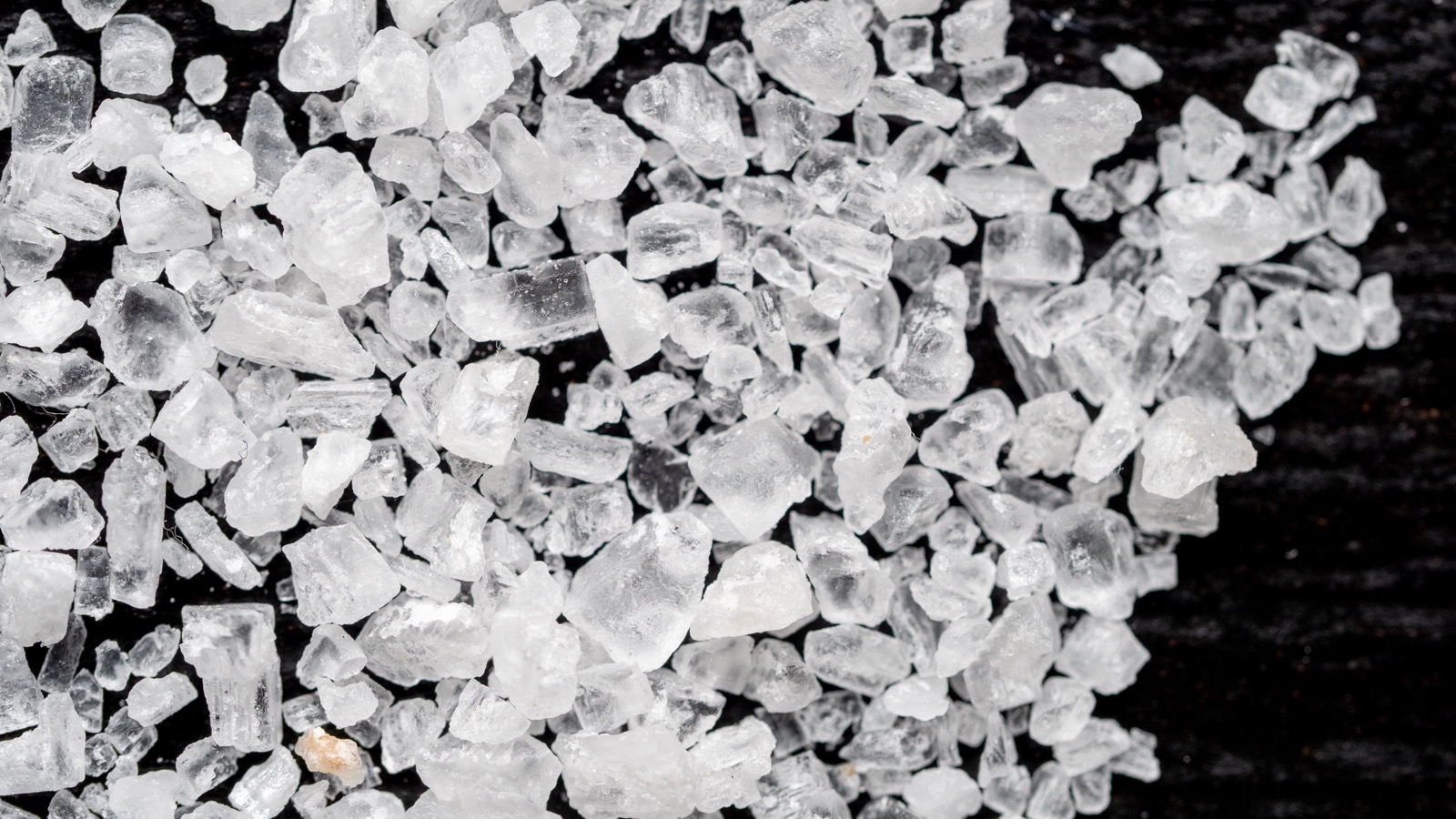
Carbohydrate-electrolyte recovery powder
Bulk dry drink base pairing 2:1 glucose-to-fructose carbohydrates with sodium, potassium, magnesium and calcium salts. Vegan, maize-derived and gluten-free, with no declarable allergen input.
Specifications
| Product type | Compounded dry blend for reconstitution, not a discrete chemical, so no single CAS applies. Carbohydrate base plus food-grade mineral salts, acidulant, flavour and sweetener. |
| Carbohydrate system | Maize maltodextrin (CAS 9050-36-6, DE 3-20) with dextrose and fructose at a 2:1 glucose:fructose ratio. Glucose loads SGLT1, fructose GLUT5, so uptake runs on two routes. |
| Carbohydrate load | Typical build 90-95 g total carbohydrate per 100 g powder on the unflavoured base. Ratio and load are set on contract and declared per lot on the CoA. |
| Oxidation reference data | Published exogenous carbohydrate oxidation with glucose-fructose feeds reaches about 1.3-1.5 g/min at 90-120 g/h, above single-carbohydrate feeds. Reference data, not a claim. |
| Electrolyte profile | Standard build per 100 g powder: sodium 900-1,200 mg, potassium 300-400 mg, magnesium 60-100 mg, calcium 100-150 mg. Set to the buyer's reconstitution rate. |
| Electrolyte salts used | Sodium chloride and trisodium citrate dihydrate (C6H9Na3O9, MW 294.10), potassium chloride (KCl, MW 74.55), magnesium citrate and calcium lactate. Citrates buffer the acidulant. |
| EFSA composition window | For carbohydrate-electrolyte solutions EFSA cites 80-350 kcal/L from carbohydrate, 75% min of that energy from high-glycaemic carbohydrate, sodium 20-50 mmol/L, 200-330 mOsm/kg. |
| Tonicity by dose rate | Tonicity is decided at reconstitution. About 6-8 g per 100 mL gives an isotonic 6-8% drink; heavier dosing gives a hypertonic recovery drink, reported around 500-800 mOsm/kg. |
| Appearance and solubility | Free-flowing white to off-white agglomerated powder, tinted by the flavour system. Disperses in cold water in 30-60 seconds with stirring, no residue at label dose. |
| Moisture and handling | Loss on drying not more than 5.0%. The blend is markedly hygroscopic - keep sealed below 25 C at not more than 60% RH, and ship with liner and desiccant for tropical transit. |
| Allergen and dietary status | No milk, egg, soy, fish, crustacean, peanut or tree nut input. Maize-derived maltodextrin, so gluten-free; we do not use EU wheat-derived maltodextrin. Vegan and vegetarian. |
| Quality and sports testing | TPC NMT 10,000 cfu/g, yeast and mould NMT 100 cfu/g, E. coli and Salmonella absent, heavy metals per lot. Made without WADA-prohibited substances; batch certification on request. |
| Shelf life | 24 months from manufacture in unopened original packaging stored cool, dry and out of direct sunlight. Reseal opened bags immediately because of the hygroscopicity. |
| HS code | 21069050 (India ITC-HS) - compound preparations for making non-alcoholic beverages. NOT the sheet's 21061000. See the classification note. |
Applications
Available grades
Standard agglomerated 2:1 glucose:fructose base; hypotonic low-osmolality grade for hot-climate hydration; high-carbohydrate endurance grade for 90-120 g/h fuelling protocols; unflavoured and unsweetened base for brands running their own flavour system; highly-branched cyclic dextrin option where a high-molecular-weight, low-osmolality carbohydrate is specified; and carbohydrate-plus-protein recovery builds at 3:1 or 4:1, noting that the protein choice changes the allergen declaration.
Related products
Pre-Workout Blend
Compounded pre-workout powder base built to your formula from beta-alanine, L-citrulline DL-malate, caffeine anhydrous, taurine, betaine and L-tyrosine. Vegan, dairy-free, flavoured or neutral.
Post-Workout Recovery Blend
Made-to-formula recovery powder pairing fast carbohydrate with whey protein, BCAA 2:1:1, L-glutamine, creatine monohydrate and electrolytes. Milk allergen; vegan build available.
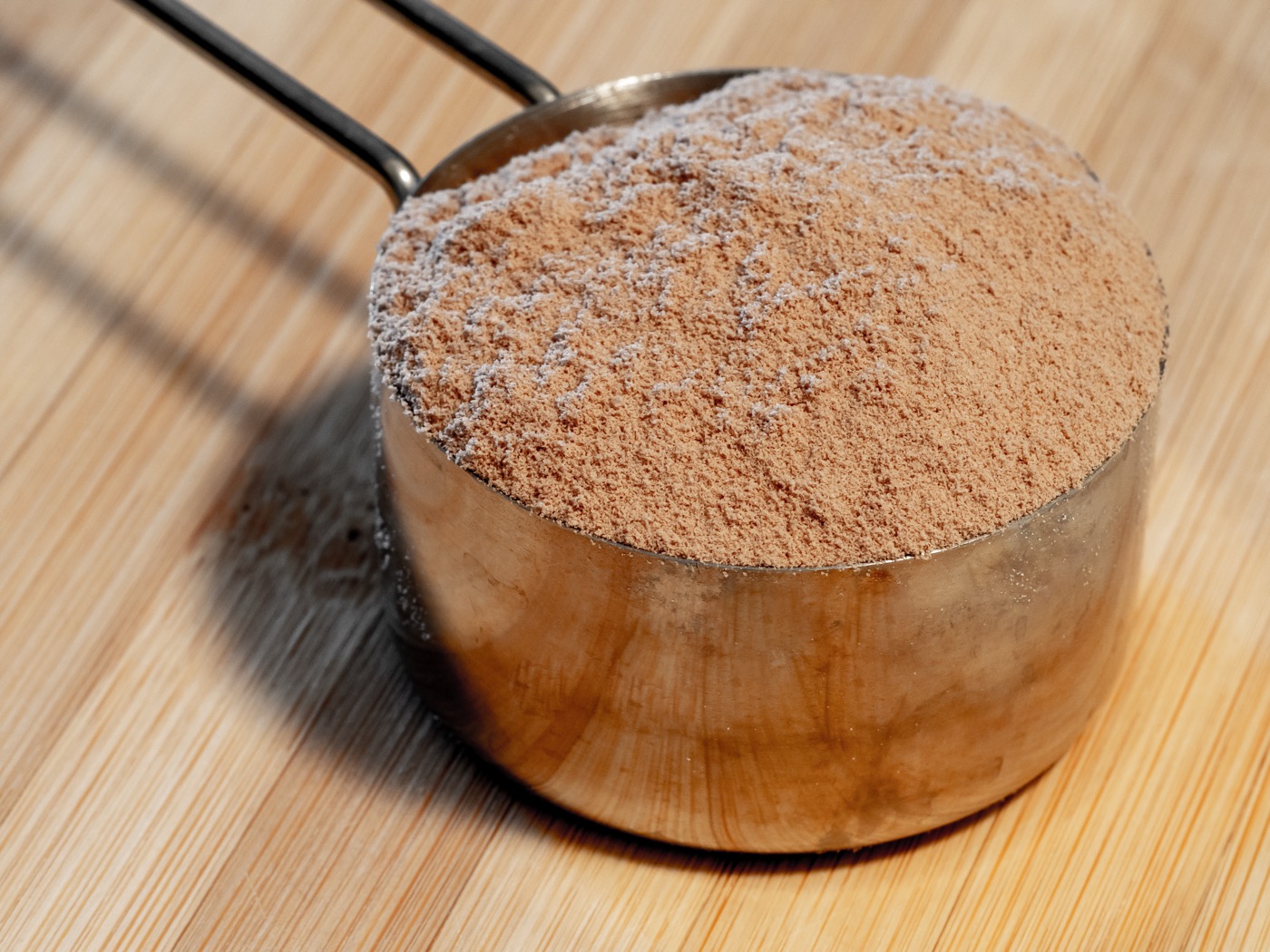
Whey Protein (Sports Grade)
Sports-grade bovine whey protein as WPC 80 (80-82% protein) or WPI 90 (90% min, dry basis). Instantised, high leucine and BCAA, full amino profile. Contains MILK; soy if lecithinated.