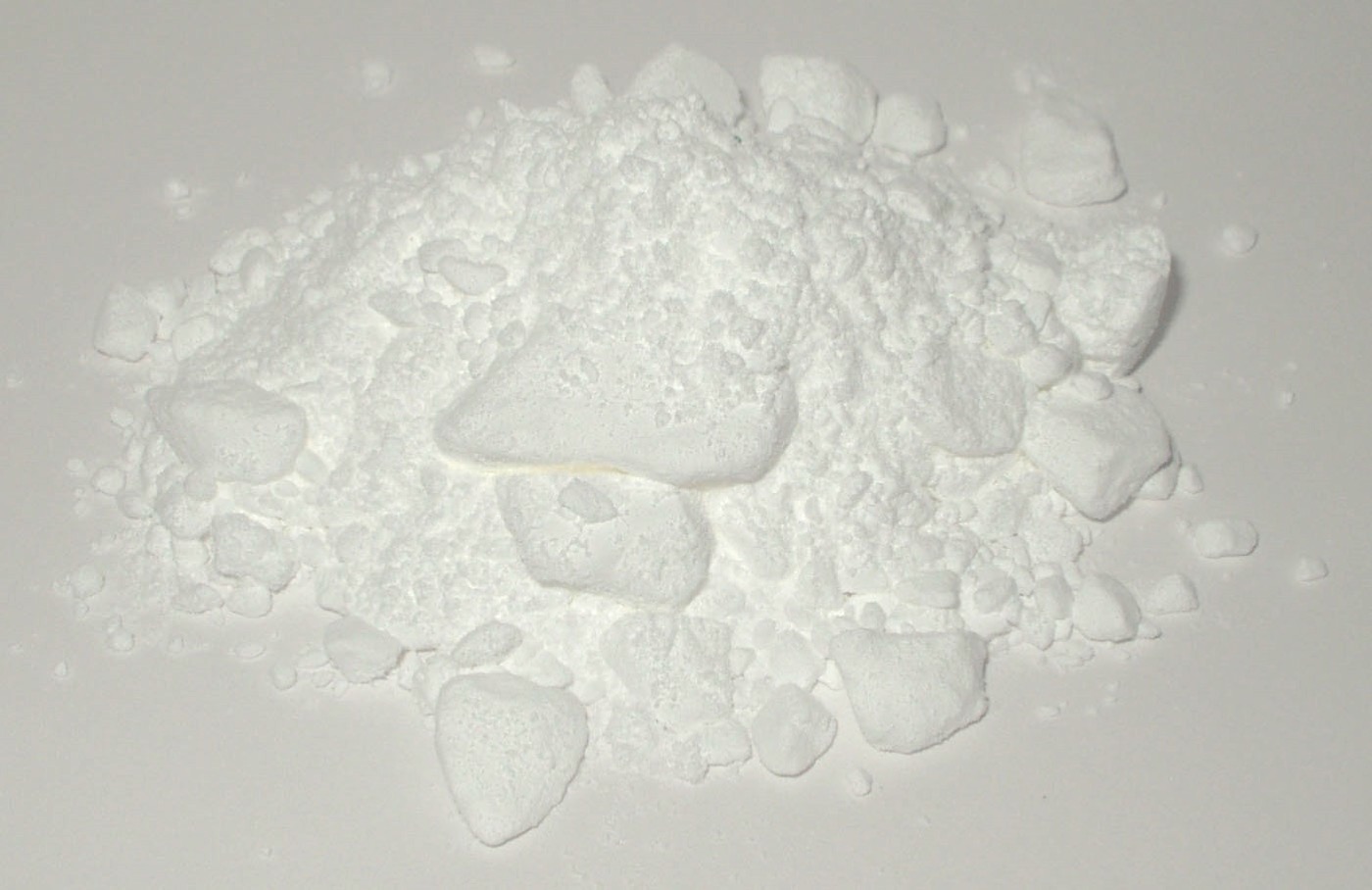
Caffeine Anhydrous
Bulk caffeine anhydrous to USP, BP and Ph. Eur., assaying 98.5–101.0% on the anhydrous basis. CAS 58-08-2. Powder and granular grades, vegan and non-animal, exported from India.
Specifications
| Chemical name | 1,3,7-Trimethylxanthine — 3,7-dihydro-1,3,7-trimethyl-1H-purine-2,6-dione, a purine alkaloid |
| CAS number | 58-08-2 (anhydrous). The monohydrate is CAS 5743-12-4, 212.21 g/mol — not what is supplied here |
| Molecular formula | C8H10N4O2 — molecular weight 194.19 g/mol |
| Assay | 98.5–101.0% of C8H10N4O2 calculated on the anhydrous basis, per the USP Caffeine monograph; BP and Ph. Eur. grades to the same figure |
| Appearance and taste | White powder or white glistening needles usually matted together; odourless, bitter taste, solutions neutral to litmus (USP description) |
| Melting range | 235 to 239 °C, determined after drying at 80 °C for four hours (USP <741>) |
| Water / loss on drying | Not more than 0.5% for the anhydrous form on drying at 80 °C for four hours; the hydrous form is allowed up to 8.5% |
| Purity limits | Residue on ignition NMT 0.1%; heavy metals NMT 0.001% by USP Method II; readily carbonizable substances no darker than Matching Fluid D |
| Other alkaloids | A 1-in-50 solution gives no precipitate with mercuric-potassium iodide TS, the USP check that no other alkaloid is present |
| Solubility | Sparingly soluble in water, about 21.6 g/L at 25 °C — 1 g in 46 ml water at 25 °C, 5.5 ml at 80 °C, 1.5 ml boiling water; freely soluble in chloroform |
| Grades and particle size | Fine powder as standard for dry blends and beverage bases; granular grade for direct compression and low dusting; 30–60 mesh cut for capsule filling |
| Origin and allergen status | Synthetic pharmaceutical caffeine or caffeine recovered from coffee and tea decaffeination. Vegan, non-animal; free of milk, egg, soy, fish, crustacean, gluten, nut |
| EU labelling trigger | Beverages above 150 mg/L need 'High caffeine content. Not recommended for children or pregnant or breast-feeding women' per Reg (EU) 1169/2011 Annex III |
| Storage, shelf life | USP directs well-closed containers; Thovek declares 36 months unopened, cool and dry. |
| HS code | 29393000 (India ITC-HS) |
Applications
Available grades
USP, BP and Ph. Eur. anhydrous powder as standard; FCC food grade; granular and 30–60 mesh cuts for tabletting and capsules; caffeine recovered from green coffee and tea decaffeination where a natural-origin position is needed. Kosher, halal and non-GMO documentation on request.
Related products
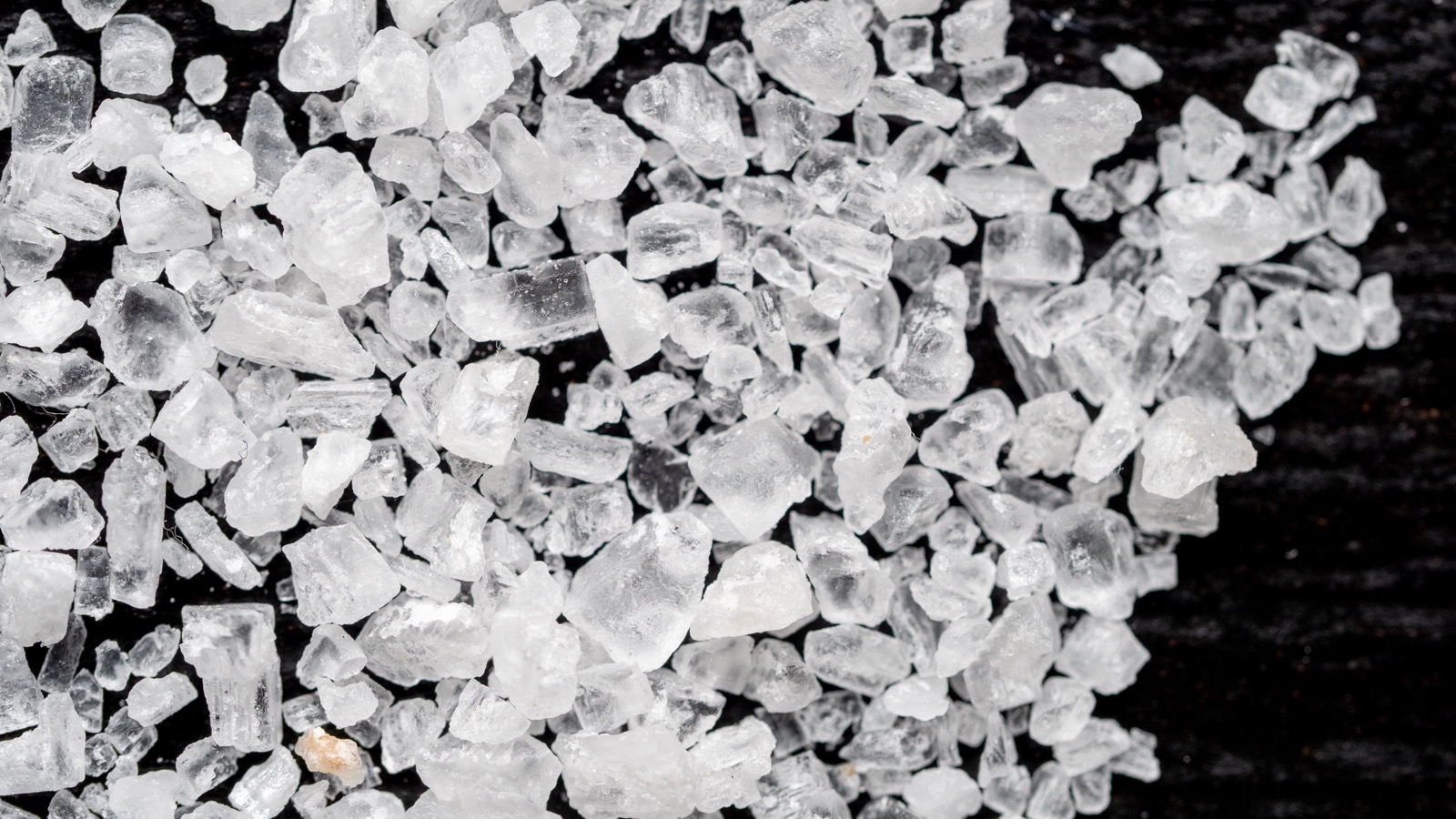
Pre-Workout Blend
Compounded pre-workout powder base built to your formula from beta-alanine, L-citrulline DL-malate, caffeine anhydrous, taurine, betaine and L-tyrosine. Vegan, dairy-free, flavoured or neutral.
Post-Workout Recovery Blend
Made-to-formula recovery powder pairing fast carbohydrate with whey protein, BCAA 2:1:1, L-glutamine, creatine monohydrate and electrolytes. Milk allergen; vegan build available.
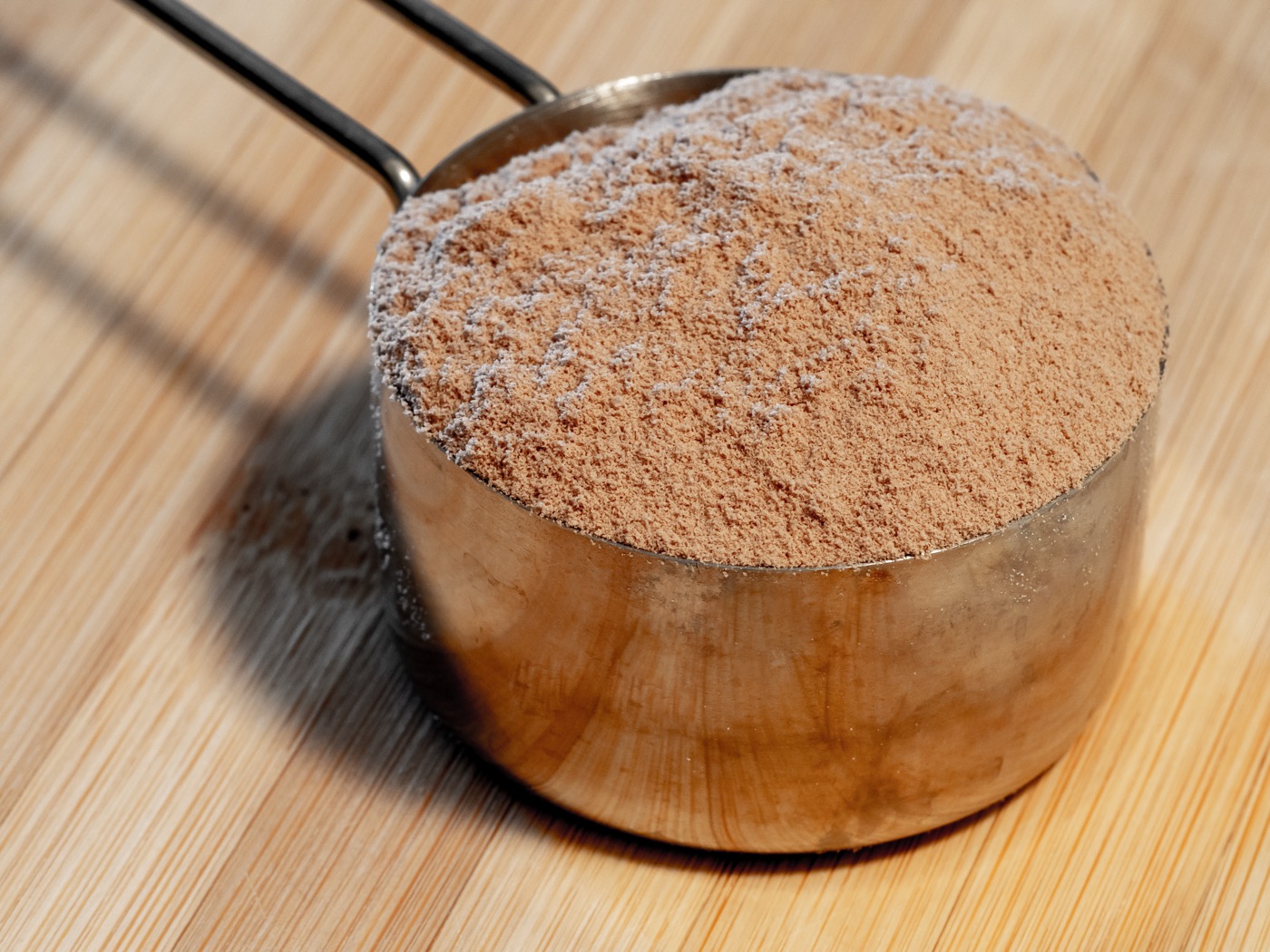
Whey Protein (Sports Grade)
Sports-grade bovine whey protein as WPC 80 (80-82% protein) or WPI 90 (90% min, dry basis). Instantised, high leucine and BCAA, full amino profile. Contains MILK; soy if lecithinated.