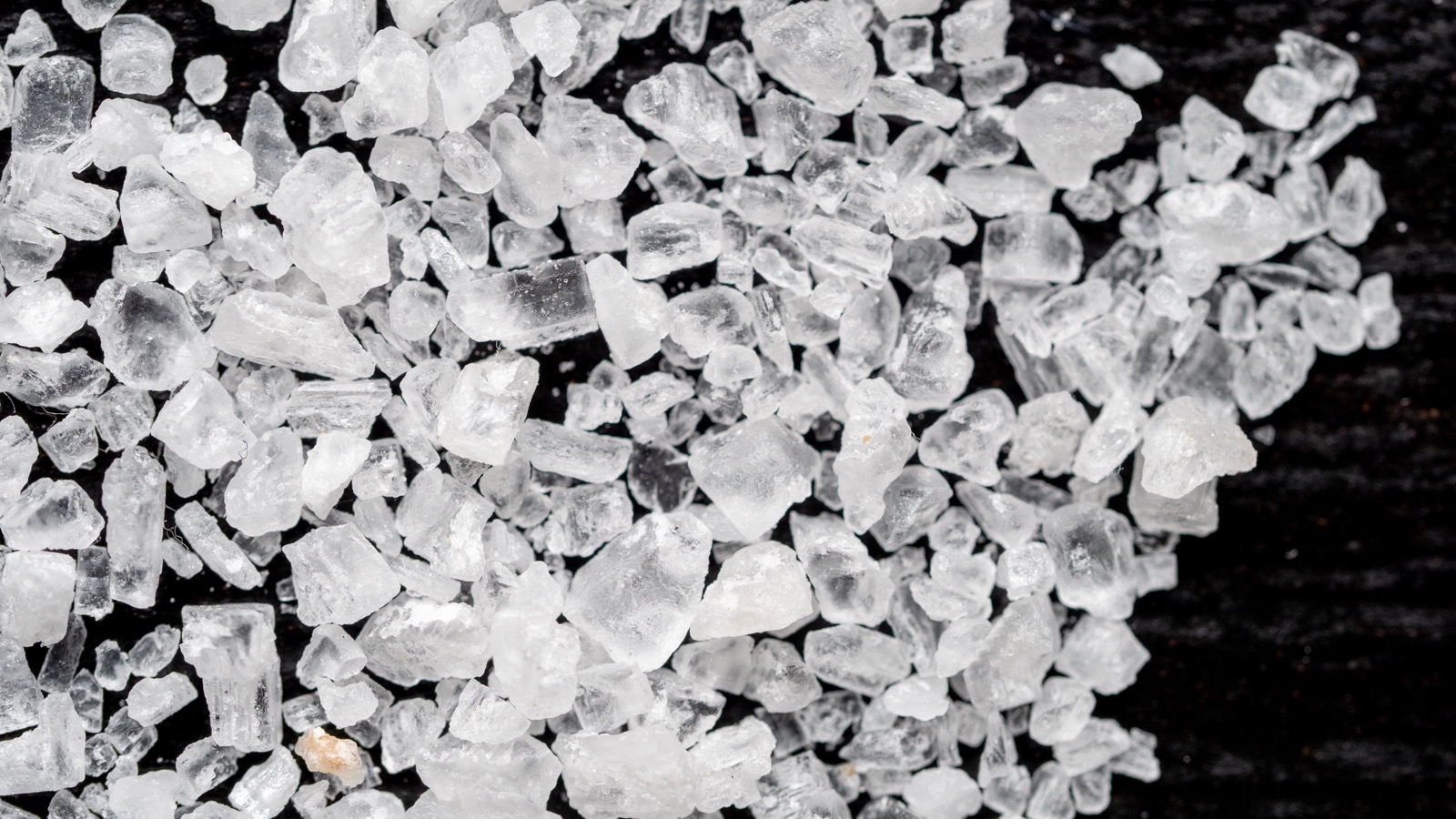
Beta-Alanine and Creatine Monohydrate Blend
Two-component performance base pairing beta-alanine, CAS 107-95-9, with 200-mesh USP creatine monohydrate, CAS 6020-87-7. Both synthetic, vegan and free of the major allergens.
Specifications
| Product type | Two-component dry blend of beta-alanine and creatine monohydrate, pre-blended to the customer's ratio; 1:1 by weight is the reference |
| Beta-alanine identity | 3-Aminopropanoic acid, C3H7NO2, molar mass 89.09 g/mol, CAS 107-95-9 |
| Creatine identity | Creatine monohydrate, C4H9N3O2·H2O, molar mass 149.15 g/mol, CAS 6020-87-7; anhydrous creatine is CAS 57-00-1, C4H9N3O2, 131.14 g/mol |
| Beta-alanine assay | Not less than 99.0% on the dried basis; white powder to crystal; melting point 207 °C with decomposition |
| Creatine assay | 99.5-102.0% on the dried basis, USP grade; white 200-mesh powder |
| Creatine loss on drying | 10.5-12.0%, being the water of crystallisation; theoretical water content of the monohydrate is 12.08% |
| Creatine particle size | Not less than 70% through 200 mesh; micronised grade available on request for suspension formats |
| Creatine process impurities | Dicyandiamide not more than 50 ppm; creatinine not more than 100 ppm; dihydrotriazine not more than 0.0005% |
| Solubility in water | Beta-alanine 54.5 g/100 mL; creatine monohydrate 13.3 g/L at 18 °C. Creatine is the solubility-limiting component in liquid formats |
| Stability | Creatine monohydrate converts to creatinine in the presence of moisture and more rapidly at low pH. Keep dry; validate any acidic liquid format |
| Heavy metals | Total heavy metals not more than 10 ppm on the creatine component; lead, arsenic, cadmium and mercury reported per lot |
| Microbiology | Total plate count not more than 1000 cfu/g; Salmonella, E. coli and S. aureus absent in 10 g on the creatine component |
| Origin and dietary status | Both components chemically synthesised. Vegan and vegetarian suitable. No bovine, porcine, marine, dairy or egg material at any stage |
| Allergens, shelf life | Free from milk, egg, soy, fish, crustacean, gluten, peanut, tree nut. 24 months below 25 °C under 60% RH. |
| HS code | 21069099 |
Applications
Available grades
Beta-alanine food and supplement grade at not less than 99%; creatine monohydrate USP grade in 80 mesh, 200 mesh and micronised. Supplied as a 1:1 standard pre-blend or to any customer ratio, unflavoured, with optional silicon dioxide as an anti-caking aid. Single-component drums of either input are also available if the buyer prefers to blend in house.
Related products
Pre-Workout Blend
Compounded pre-workout powder base built to your formula from beta-alanine, L-citrulline DL-malate, caffeine anhydrous, taurine, betaine and L-tyrosine. Vegan, dairy-free, flavoured or neutral.
Post-Workout Recovery Blend
Made-to-formula recovery powder pairing fast carbohydrate with whey protein, BCAA 2:1:1, L-glutamine, creatine monohydrate and electrolytes. Milk allergen; vegan build available.
Whey Protein (Sports Grade)
Sports-grade bovine whey protein as WPC 80 (80-82% protein) or WPI 90 (90% min, dry basis). Instantised, high leucine and BCAA, full amino profile. Contains MILK; soy if lecithinated.