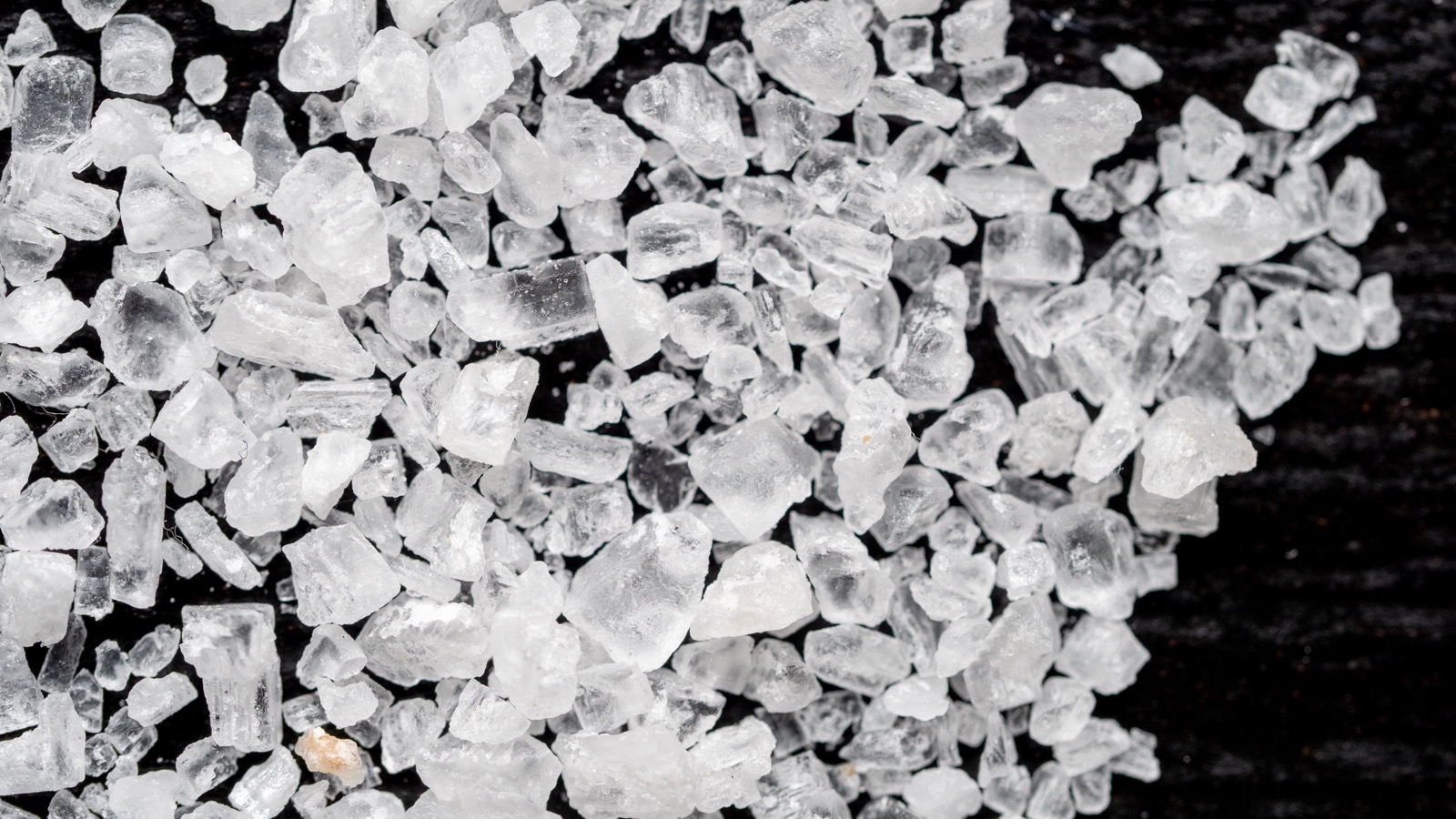
BCAA + L-Glutamine Blend
Bulk 2:1:1 BCAA powder blended with L-glutamine, 60:40 as standard. All four amino acids fermented, USP-grade and released before blending. Vegan, soy-free instantised grade available.
Specifications
| Product type | Dry physical blend of four fermentation-derived amino acids, each released on its own monograph before blending — not a separate chemically defined compound |
| Composition (w/w) | L-Leucine 30%, L-Isoleucine 15%, L-Valine 15% (2:1:1 BCAA, 60% total) with L-Glutamine 40%; other BCAA-to-glutamine splits blended to order |
| CAS numbers | L-Leucine 61-90-5 · L-Isoleucine 73-32-5 · L-Valine 72-18-4 · L-Glutamine 56-85-9 |
| Molecular formulae | L-Leucine and L-Isoleucine C6H13NO2, 131.17 g/mol; L-Valine C5H11NO2, 117.15 g/mol; L-Glutamine C5H10N2O3, 146.14 g/mol |
| Assay, each component | 98.5–101.5% on the dried basis, the range set by the USP Leucine, Isoleucine, Valine and Glutamine monographs; assayed before blending |
| Identity by optical rotation | USP specific rotation: leucine +14.9 to +17.3, isoleucine +38.9 to +41.8, valine +26.6 to +28.8, glutamine +6.3 to +7.3 |
| Appearance and taste | White to off-white free-flowing crystalline powder. USP calls leucine and valine tasteless and isoleucine slightly bitter; flavour masking is still usual at dose |
| Solubility in water (25 °C) | L-Leucine is the limiting component at about 22 g/L and wets poorly; L-Glutamine dissolves at about 41 g/L. Instantised grade for cold-water dispersion |
| Instantising and lecithin | Lecithinated grade uses sunflower lecithin as standard so the blend stays soy-free; soya lecithin only on written request, which adds a soy allergen declaration |
| Purity limits (USP) | Loss on drying NMT 0.2% leucine and NMT 0.3% the others; chloride NMT 0.05%; sulfate NMT 0.03%; iron 0.003%; heavy metals 0.0015% |
| Origin and allergen status | Corynebacterium glutamicum fermentation of plant carbohydrate, not keratin or animal-protein hydrolysate. Vegan; free of milk, egg, soy, fish, crustacean, gluten, nut |
| Stability note | Supplied dry only — L-glutamine hydrolyses in aqueous solution to ammonia and pyroglutamate, so this blend is not suitable for ready-to-drink liquids |
| Shelf life | 36 months from manufacture in unopened original packaging, stored below 25 °C and protected from moisture and direct light |
| HS code | 21069099 (India ITC-HS) — food preparations not elsewhere specified or included, other |
Applications
Available grades
Food and nutraceutical grade, components to USP and Ph. Eur. monograph requirements. Plain crystalline or sunflower-lecithin instantised. Standard 60:40 BCAA to glutamine, plus 50:50, 4:1:1 and 8:1:1 BCAA ratios to order. Non-GMO, vegan, kosher and halal documentation on request.
Related products
Pre-Workout Blend
Compounded pre-workout powder base built to your formula from beta-alanine, L-citrulline DL-malate, caffeine anhydrous, taurine, betaine and L-tyrosine. Vegan, dairy-free, flavoured or neutral.
Post-Workout Recovery Blend
Made-to-formula recovery powder pairing fast carbohydrate with whey protein, BCAA 2:1:1, L-glutamine, creatine monohydrate and electrolytes. Milk allergen; vegan build available.
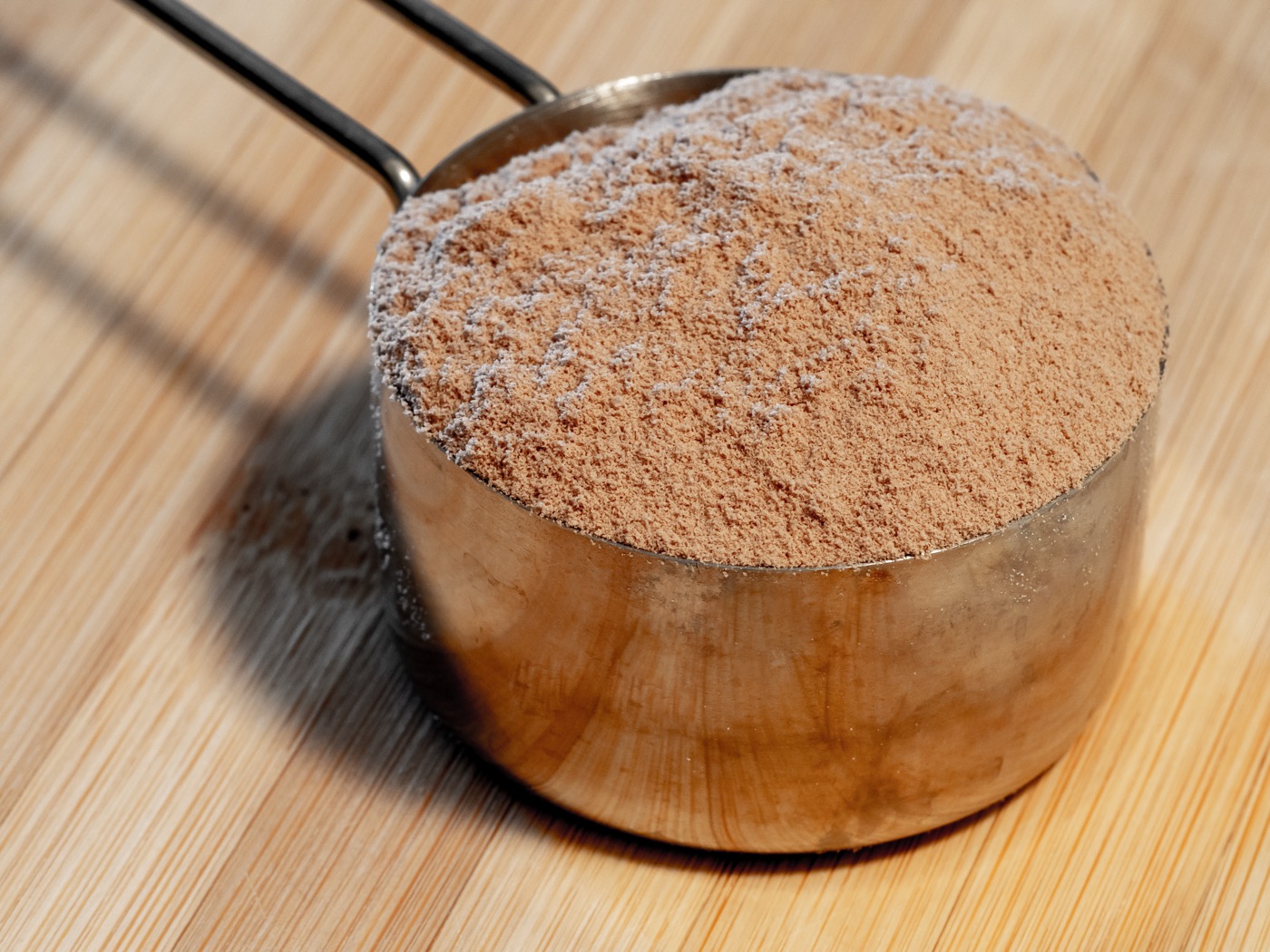
Whey Protein (Sports Grade)
Sports-grade bovine whey protein as WPC 80 (80-82% protein) or WPI 90 (90% min, dry basis). Instantised, high leucine and BCAA, full amino profile. Contains MILK; soy if lecithinated.