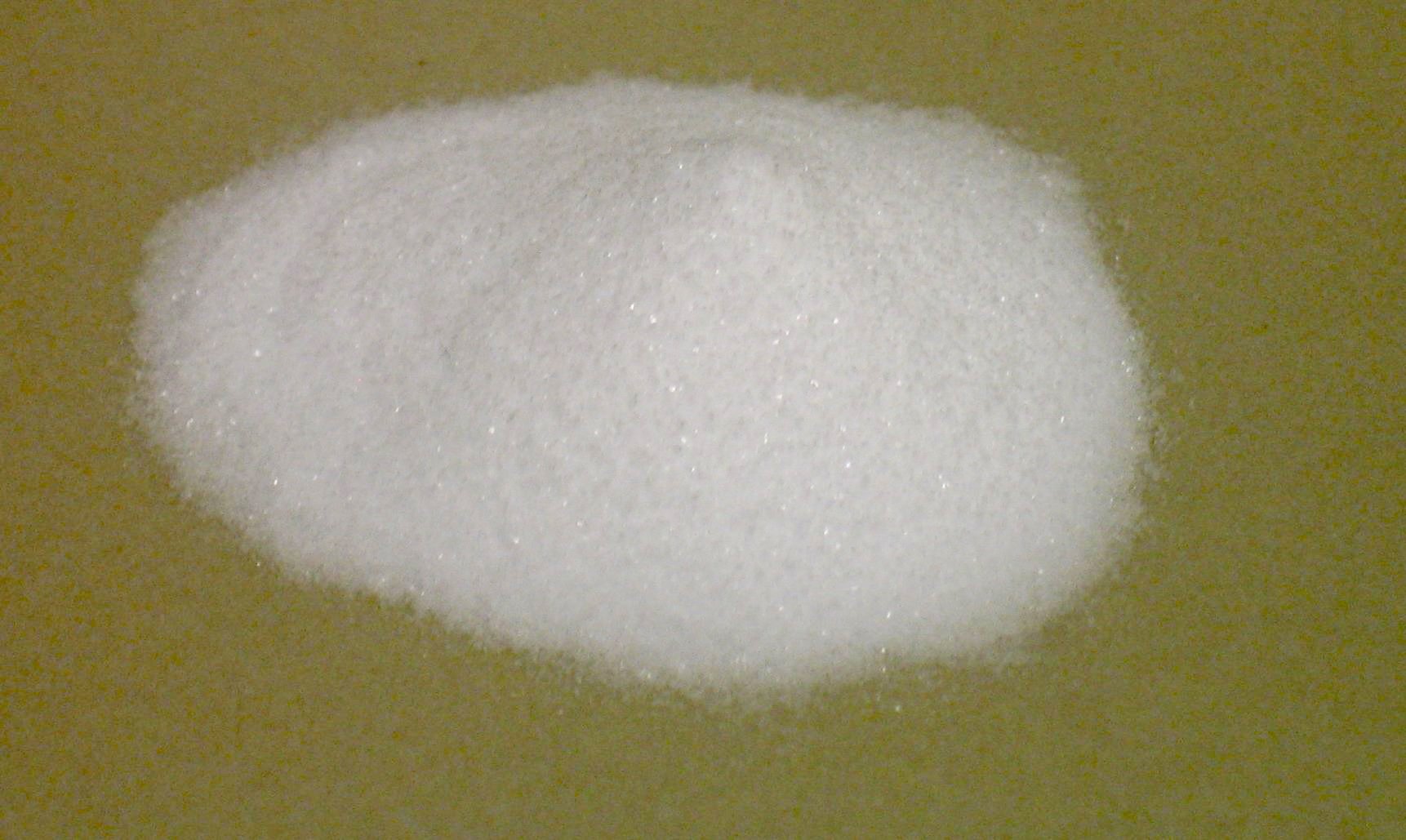
Zinc Gluconate
Organic zinc salt of gluconic acid, USP and FCC grade, carrying 12.3–14.6% elemental zinc. Water-soluble and low in astringency — the standard zinc for lozenges, syrups and fortified beverages.
Specifications
| Chemical name | Zinc bis(D-gluconate) |
| CAS number | 4468-02-4 |
| Molecular formula | C12H22O14Zn (MW 455.68) |
| Assay | 97.0–102.0% on the dried basis (USP) |
| Elemental zinc | 12.3–14.6% (USP); 14.35% theoretical for the anhydrous salt |
| Appearance | White to off-white crystalline powder or free-flowing granules |
| Solubility | Soluble in water; practically insoluble in ethanol. pH 5.5–7.5 at 1% |
| Loss on drying | ≤ 11.6% |
| Heavy metals | Pb ≤ 1 ppm · As ≤ 3 ppm · Cd ≤ 5 ppm |
| Particle size | ≥ 95% through 18 mesh (granular); fine powder grade available |
| Shelf life | 36 months in unopened original packing |
| HS code | 2918.16 (29181690) |
Applications
Available grades
USP and FCC (food grade); 18-mesh granular and fine powder; low-heavy-metal infant-nutrition grade; direct-compression granular on request. EU-permitted form under Directive 2002/46/EC Annex II and Regulation (EC) No 1925/2006
Related products
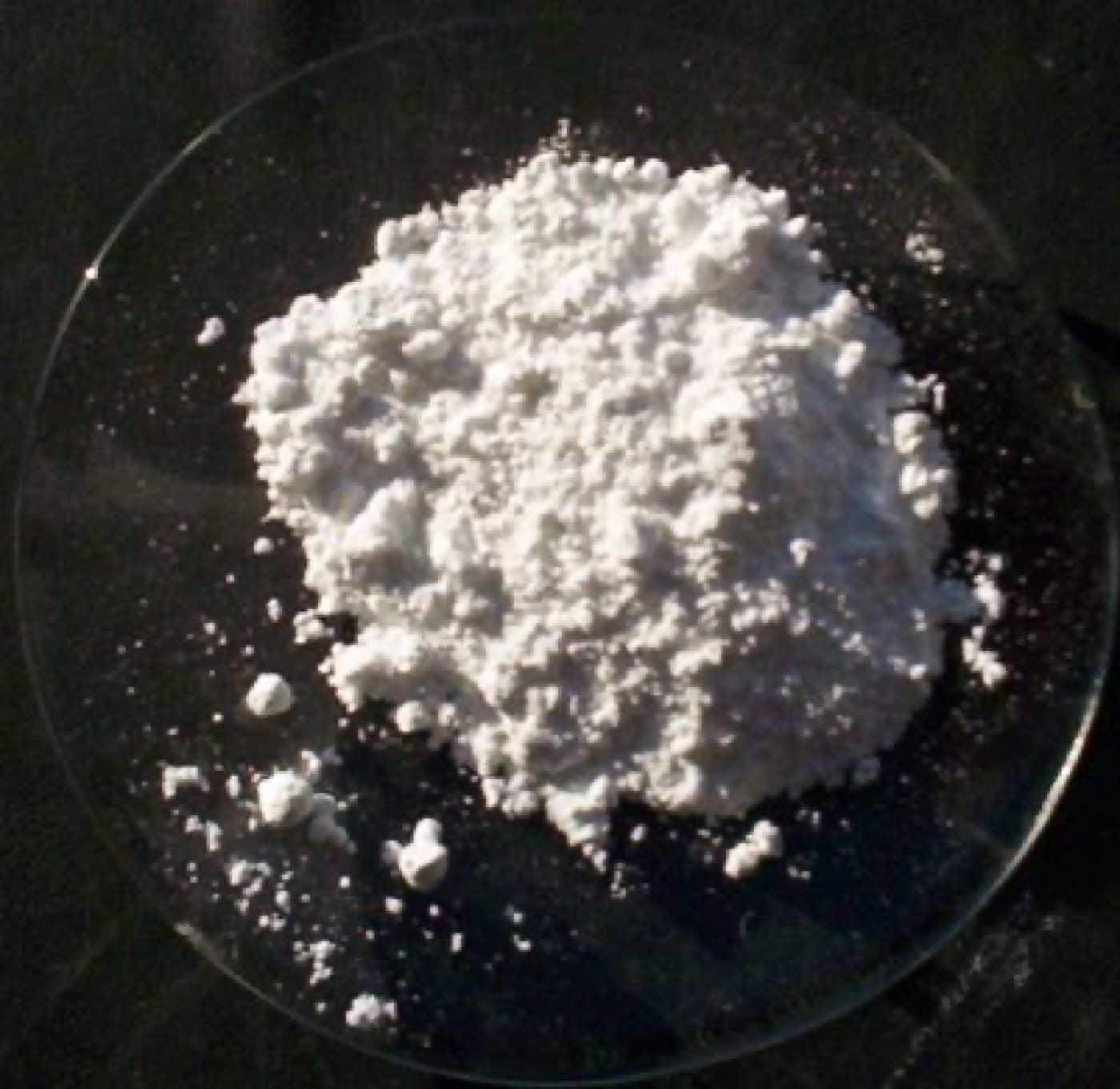
Calcium Carbonate
Bulk precipitated calcium carbonate carrying 40.0% elemental calcium, the densest calcium carrier among the common salts. Supplied to USP, EP, IP and FCC grades in light, heavy and directly compressible forms.
Calcium Citrate (Tetrahydrate)
Tricalcium citrate tetrahydrate for calcium fortification, assaying not less than 97.5% and carrying 21.1% elemental calcium. Free-flowing white powder in USP and FCC grades, milled to your mesh.
Calcium Citrate Malate (CCM)
Water-soluble mixed calcium salt of citric and malic acid, carrying 21.4% elemental calcium at the USP 6:2:3 hexahydrate stoichiometry. Suited to beverages and effervescent formats.