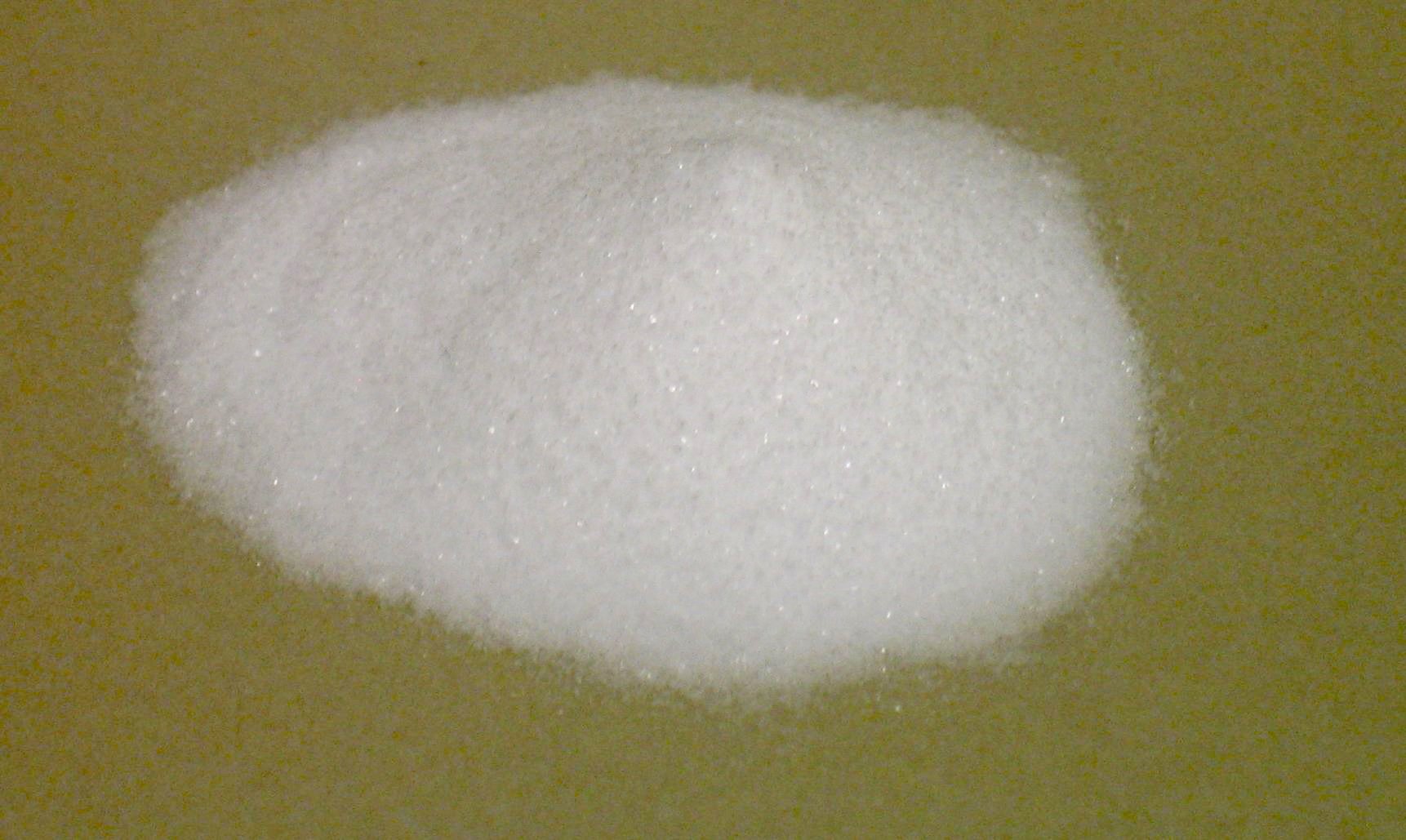
Zinc Bisglycinate (Zinc Glycinate Chelate)
Zinc bis(glycinate) amino-acid chelate, 30.6% elemental zinc in the anhydrous form. Near-neutral and low in astringency — the preferred zinc for gummies, stick packs and clean-label tablets.
Specifications
| Chemical name | Zinc bis(2-aminoacetate); zinc glycinate chelate |
| CAS number | 14281-83-5 (also cited as 7214-08-6) |
| Molecular formula | C4H8N2O4Zn (MW 213.51) |
| Elemental zinc | 30.6% theoretical for the anhydrous chelate; buffered and diluted grades to a lower declared zinc supplied on request |
| Assay / identity | No pharmacopoeial monograph exists; declared zinc by complexometric titration or ICP-OES, chelation confirmed by FT-IR |
| Appearance | White to off-white free-flowing powder; stable above 300 °C, decomposes without a sharp melting point |
| Solubility | Sparingly soluble in water; soluble in dilute acid |
| Particle size | Standard 80 mesh; micronised and granulated grades on request |
| Loss on drying | To buyer-agreed limit; reported on every batch certificate |
| Heavy metals | Pb, As, Cd and Hg tested to ICH Q3D / USP <2232> requirements and reported per batch |
| Shelf life | 24 months in unopened original packing, stored cool and dry |
| HS code | 2922.49 (29224990) |
Applications
Available grades
Nutraceutical / dietary-supplement grade amino-acid chelate to documented house specification (no compendial monograph exists); unbuffered high-zinc and buffered lower-zinc grades; 80 mesh standard, micronised or granulated on request. EU-permitted form under Directive 2002/46/EC Annex II and Regulation (EC) No 1925/2006
Related products
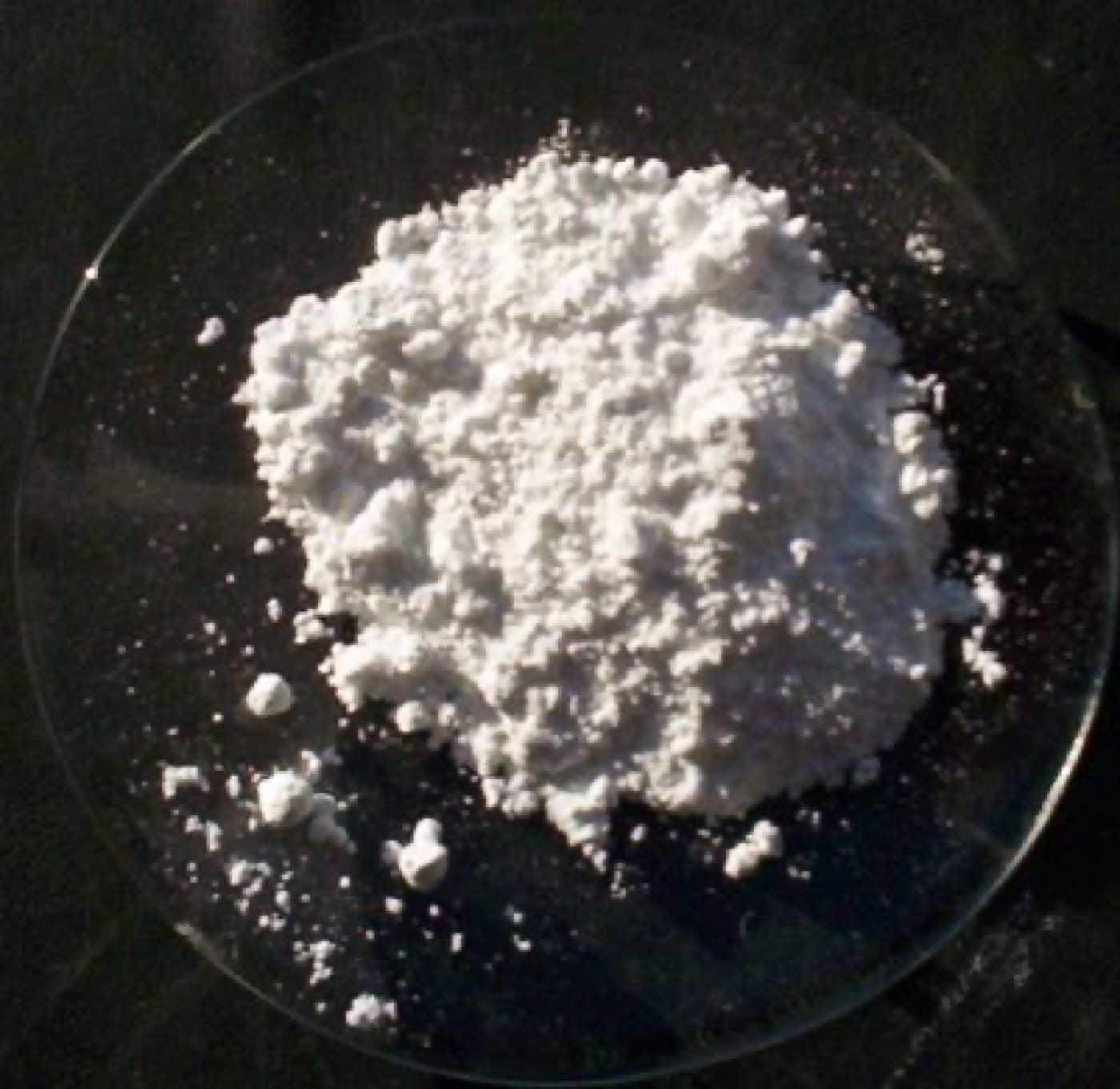
Calcium Carbonate
Bulk precipitated calcium carbonate carrying 40.0% elemental calcium, the densest calcium carrier among the common salts. Supplied to USP, EP, IP and FCC grades in light, heavy and directly compressible forms.
Calcium Citrate (Tetrahydrate)
Tricalcium citrate tetrahydrate for calcium fortification, assaying not less than 97.5% and carrying 21.1% elemental calcium. Free-flowing white powder in USP and FCC grades, milled to your mesh.
Calcium Citrate Malate (CCM)
Water-soluble mixed calcium salt of citric and malic acid, carrying 21.4% elemental calcium at the USP 6:2:3 hexahydrate stoichiometry. Suited to beverages and effervescent formats.