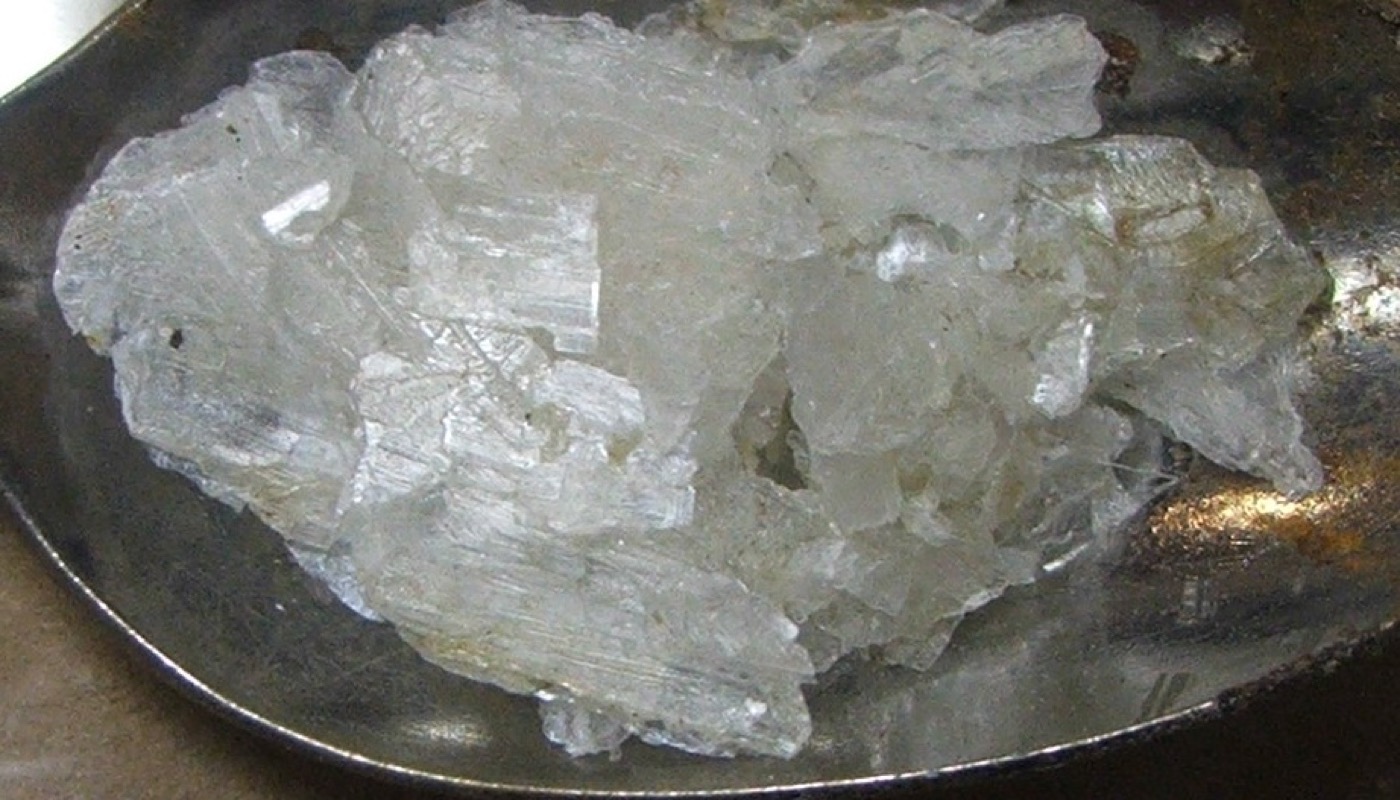
Zinc Acetate
Zinc acetate dihydrate, CAS 5970-45-6, at 29.8% elemental zinc. Freely water-soluble zinc source, about 43 g/100 mL at 20 °C, for lozenges, effervescents, oral rinses and liquid bases.
Specifications
| Chemical name | Zinc acetate dihydrate; zinc(II) di(acetate) dihydrate. Food additive number E650 (flavour enhancer) |
| CAS number | 5970-45-6 (dihydrate); 557-34-6 (anhydrous) |
| Molecular formula | Zn(CH3COO)2·2H2O, molecular weight 219.50 (dihydrate); Zn(CH3COO)2, molecular weight 183.48 (anhydrous) |
| Elemental zinc | 29.8% on the dihydrate (65.38/219.50); 35.6% on the anhydrous salt (65.38/183.48). Lot value certified on the Certificate of Analysis |
| Assay | To the ordered monograph - USP, Ph. Eur./BP pharmaceutical grade or FCC food grade; assay and zinc content certified per lot |
| Appearance | White to colourless crystals, crystalline lumps or free-flowing crystalline powder; faint acetic odour |
| Solubility | Freely soluble in water, approx. 43 g/100 mL at 20 °C for the dihydrate; soluble in ethanol. Among the more soluble zinc sources available |
| Thermal behaviour and density | Loses water of crystallisation from about 100 °C and decomposes at approximately 237 °C; density 1.735 g/cm3 for the dihydrate |
| Origin | Mineral-origin salt of acetic acid; vegan and vegetarian suitable, no animal-derived inputs or processing aids |
| Allergen status | Free from milk, egg, soy, fish, crustacean, gluten and nut allergens |
| Heavy metals and purity | Lead, cadmium, arsenic and mercury tested per lot by ICP-MS; chloride, sulphate and alkali or alkaline-earth limits per the monograph applied |
| Microbiology | Total plate count, yeast and mould, E. coli and Salmonella tested per lot on food and supplement grades |
| Handling | Hygroscopic and acetic-odour bearing. Keep containers closed, avoid moisture pickup and store away from strong oxidisers and alkalis |
| Shelf life | 24 months from manufacture in unopened original packing, stored below 25 °C in a dry, well-closed container |
| HS code | 2915.29 (29152990) |
Applications
Available grades
USP and Ph. Eur./BP pharmaceutical grade and FCC food grade (E650); dihydrate crystals, crystalline powder and milled powder; anhydrous grade to order. Kosher and halal certification available.
Related products
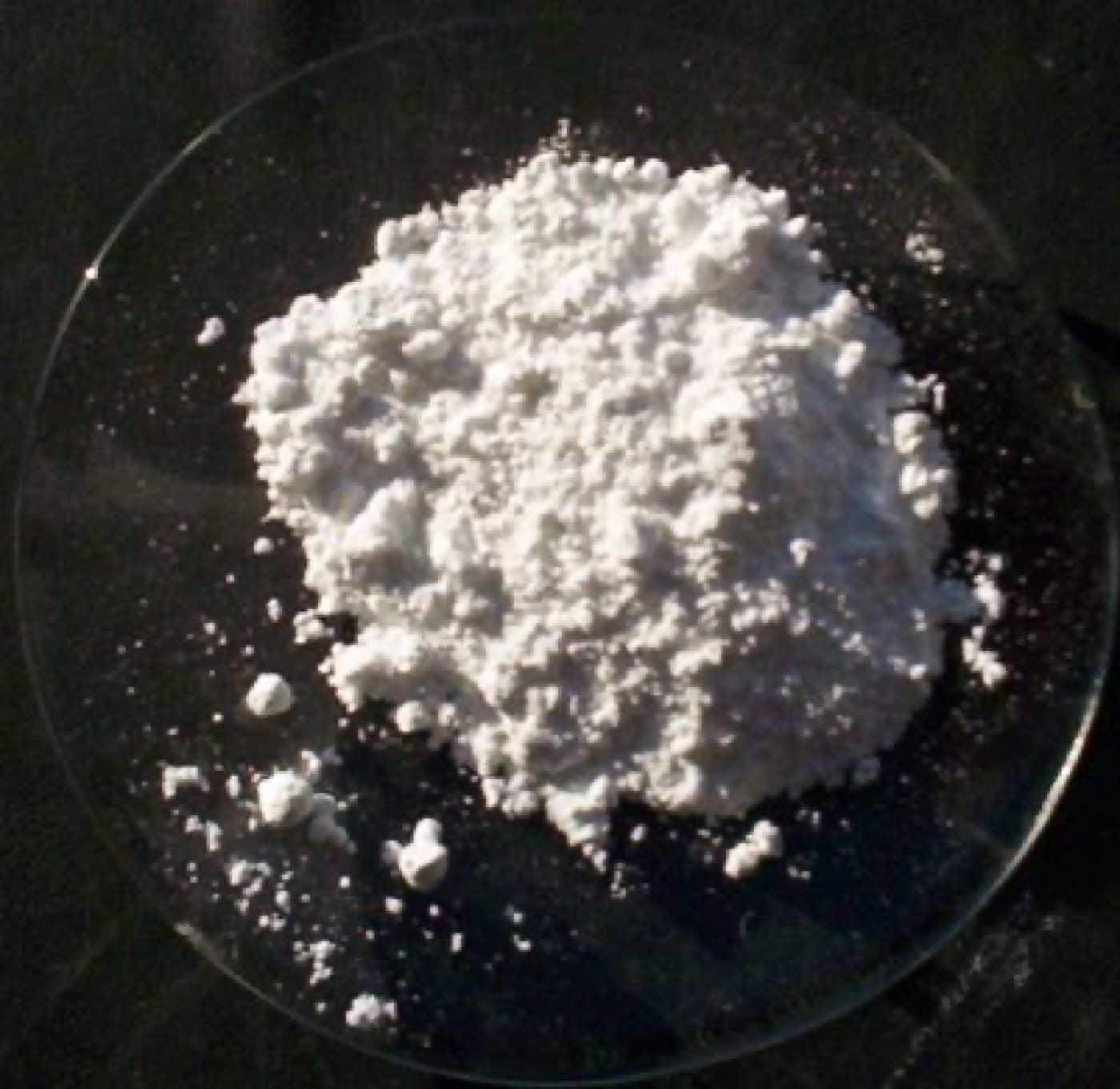
Calcium Carbonate
Bulk precipitated calcium carbonate carrying 40.0% elemental calcium, the densest calcium carrier among the common salts. Supplied to USP, EP, IP and FCC grades in light, heavy and directly compressible forms.
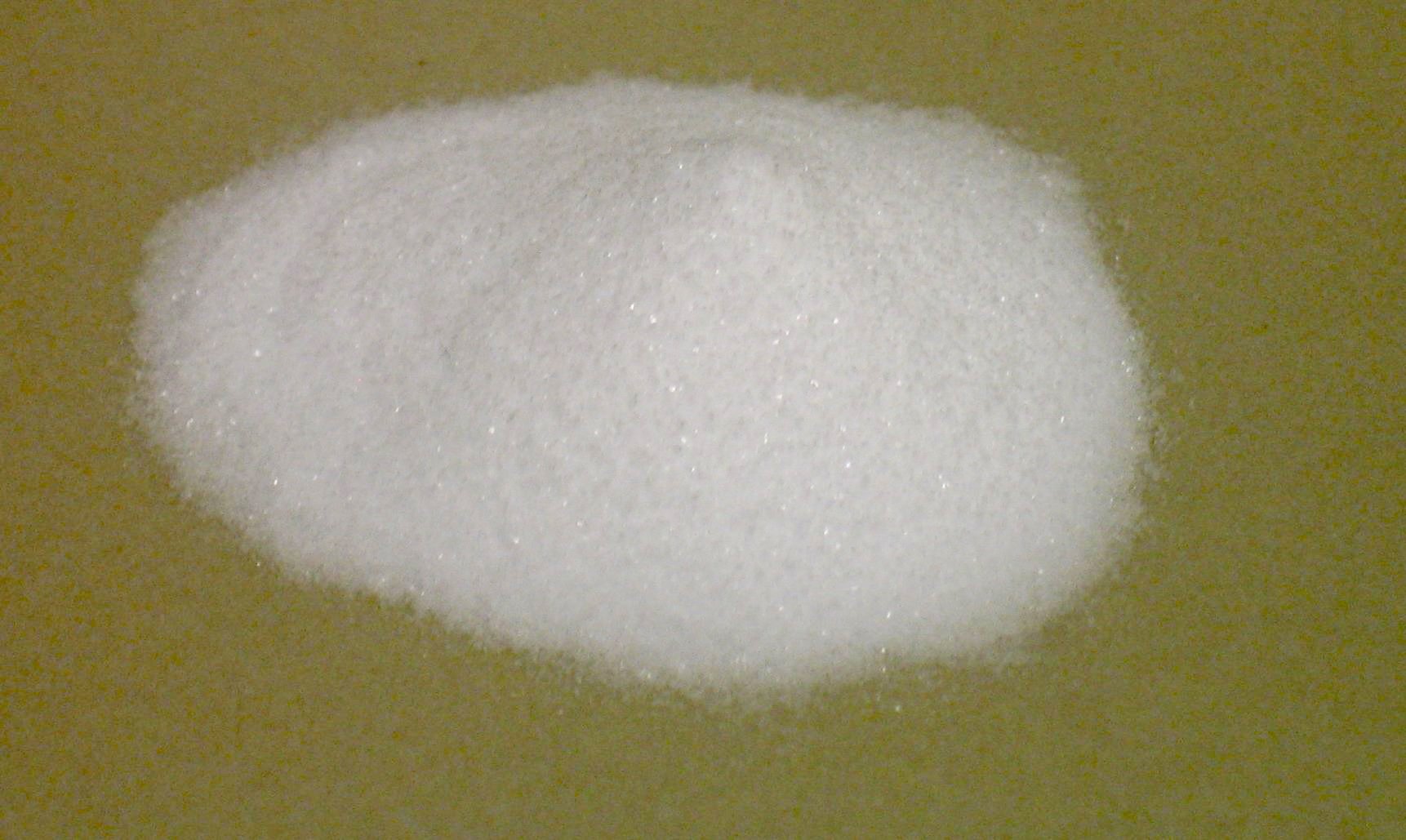
Calcium Citrate (Tetrahydrate)
Tricalcium citrate tetrahydrate for calcium fortification, assaying not less than 97.5% and carrying 21.1% elemental calcium. Free-flowing white powder in USP and FCC grades, milled to your mesh.
Calcium Citrate Malate (CCM)
Water-soluble mixed calcium salt of citric and malic acid, carrying 21.4% elemental calcium at the USP 6:2:3 hexahydrate stoichiometry. Suited to beverages and effervescent formats.