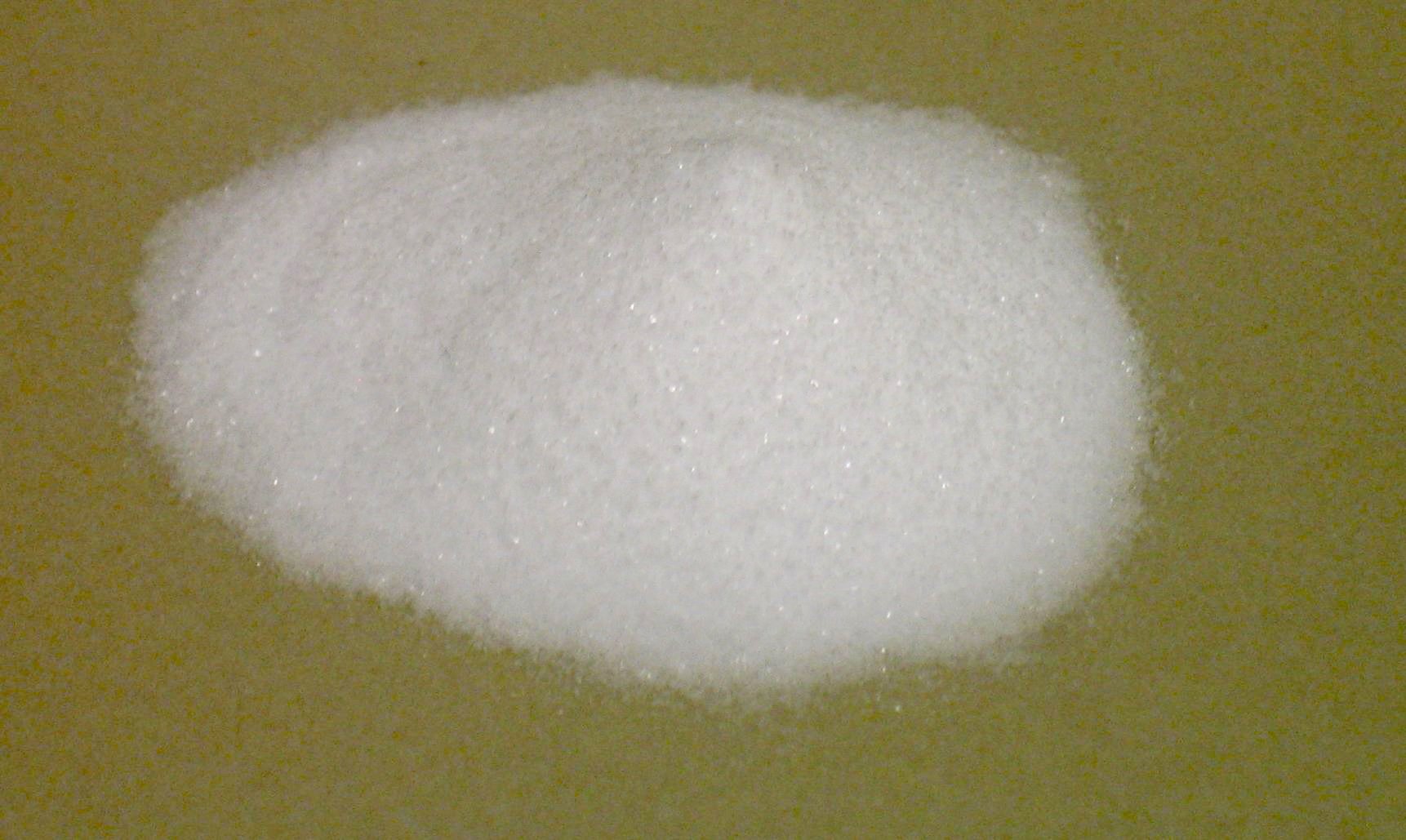
Selenium Yeast (Selenium-Enriched Yeast)
Inactivated selenium-enriched Saccharomyces cerevisiae supplying organically bound selenium, mainly as L-selenomethionine. Standardised at 1,000 and 2,000 ppm Se for supplements, foods and feed.
Specifications
| Product type | Inactivated selenium-enriched yeast, Saccharomyces cerevisiae, cultured on sodium selenite |
| CAS number | Not applicable — multi-component fermentation biomass; principal selenium species is L-selenomethionine |
| Total selenium | 1,000 ppm or 2,000 ppm (0.1% / 0.2%) standardisations; EU food-supplement source limit is not more than 2.5 mg Se/g in the dried form as marketed |
| Organic selenium | Greater than 98% of total selenium (basis of EU feed authorisation 3b813) |
| Selenomethionine | 60-85% of total extracted selenium (EU food supplement specification); greater than 70% of total selenium under EU feed authorisation 3b813 |
| Other organic selenium species | Including selenocysteine, not more than 10% of total extracted selenium |
| Inorganic selenium | Normally not more than 1% of total extracted selenium |
| Appearance | Free-flowing light beige to brown fine powder with characteristic yeast odour; milled to the agreed screen specification |
| Loss on drying | Certified on each batch CoA to the agreed limit for dried yeast biomass |
| Analytical methods | Total Se by ICP-MS after microwave digestion; selenomethionine by HPLC-ICP-MS after triple proteolytic digestion; HGAAS to EN 16159:2012 for premixes and feed |
| Heavy metals and microbiology | Lead, arsenic, cadmium, mercury plus total plate count, yeast and mould and pathogen limits to buyer or pharmacopoeial specification |
| Shelf life | 24 months from manufacture, unopened, stored cool and dry |
| HS code | 2102.20 — India ITC-HS 21022000 |
Applications
Available grades
Food and supplement grade to the EU Annex II selenium-enriched yeast specification; feed grade to EU authorisation 3b813; 1,000 ppm and 2,000 ppm Se standardisations; halal and kosher certified on request
Related products
Calcium Carbonate
Bulk precipitated calcium carbonate carrying 40.0% elemental calcium, the densest calcium carrier among the common salts. Supplied to USP, EP, IP and FCC grades in light, heavy and directly compressible forms.
Calcium Citrate (Tetrahydrate)
Tricalcium citrate tetrahydrate for calcium fortification, assaying not less than 97.5% and carrying 21.1% elemental calcium. Free-flowing white powder in USP and FCC grades, milled to your mesh.
Calcium Citrate Malate (CCM)
Water-soluble mixed calcium salt of citric and malic acid, carrying 21.4% elemental calcium at the USP 6:2:3 hexahydrate stoichiometry. Suited to beverages and effervescent formats.