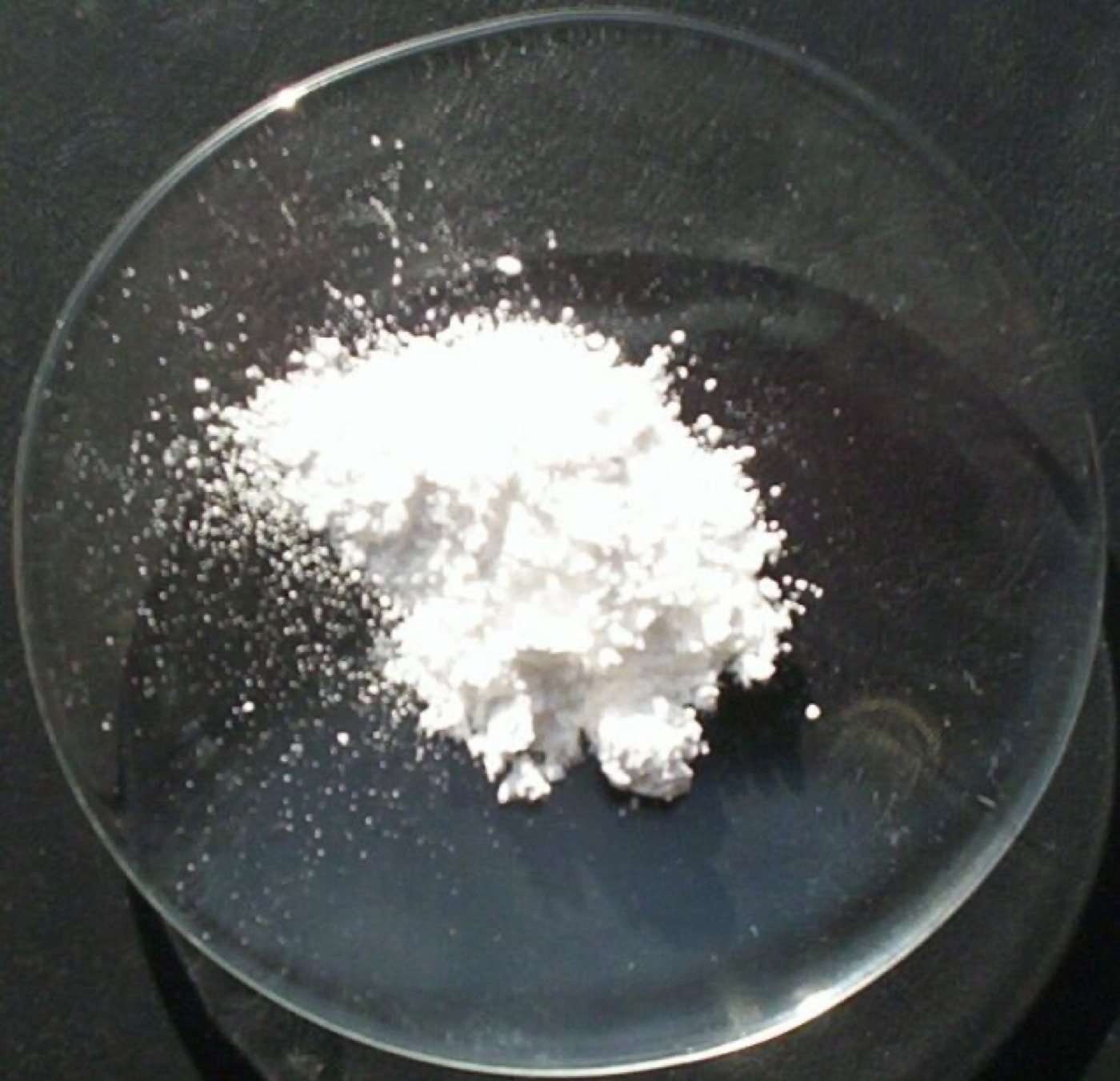
Magnesium Oxide
Bulk magnesium oxide powder to USP/NF, Ph. Eur. and FCC, in light and heavy grades. At roughly 60% elemental magnesium it carries the highest magnesium load of the common magnesium sources.
Specifications
| Chemical name | Magnesium oxide (magnesia) |
| CAS number | 1309-48-4 |
| Molecular formula | MgO (molecular weight 40.30) |
| Assay | 96.0-100.5% MgO on the ignited basis (USP/NF, FCC) |
| Elemental magnesium | Approx. 60.3% theoretical - highest of the common magnesium sources |
| Appearance | White to off-white odourless powder; light (very bulky) and heavy (dense) grades |
| Solubility | Practically insoluble in water; insoluble in ethanol; soluble in dilute acids |
| Bulk density | Heavy grade typically above 0.25 g/mL; light grade substantially lower |
| Loss on ignition | Not more than 10.0% |
| Purity limits | Free alkali and soluble salts NMT 2.0%; acid-insoluble substances NMT 0.1%; calcium NMT 1.1%; iron NMT 0.05% |
| Heavy metals | Total NMT 0.04%; lead NMT 10 ppm; arsenic NMT 3 ppm |
| Shelf life | Typically 36 months from manufacture in original unopened packing, stored dry |
| HS code | 25199040 (India ITC-HS); 2519.90 at international six-digit level |
Applications
Available grades
USP/NF, Ph. Eur. (light and heavy), BP, FCC food grade, technical and feed grade
Related products
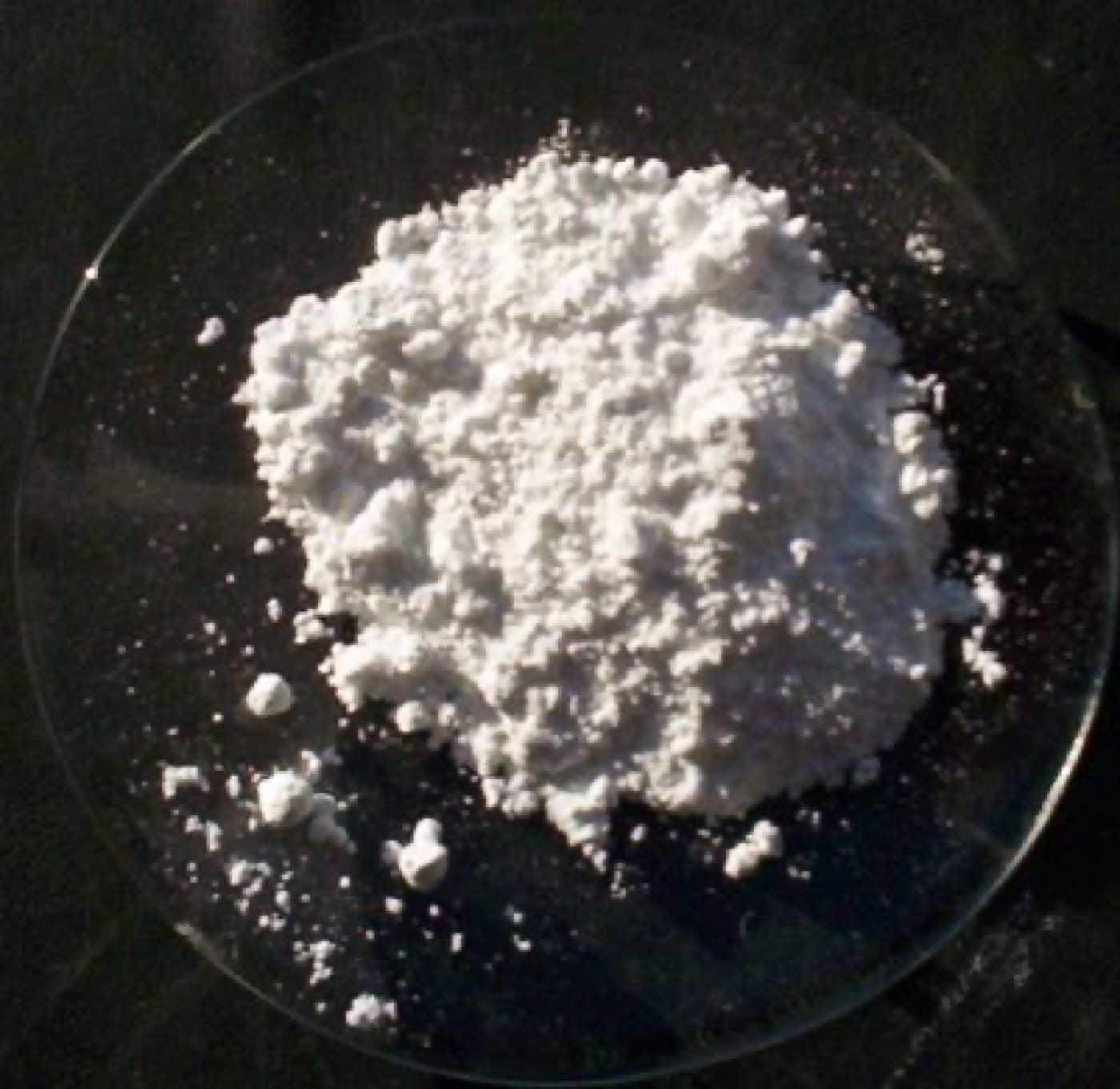
Calcium Carbonate
Bulk precipitated calcium carbonate carrying 40.0% elemental calcium, the densest calcium carrier among the common salts. Supplied to USP, EP, IP and FCC grades in light, heavy and directly compressible forms.
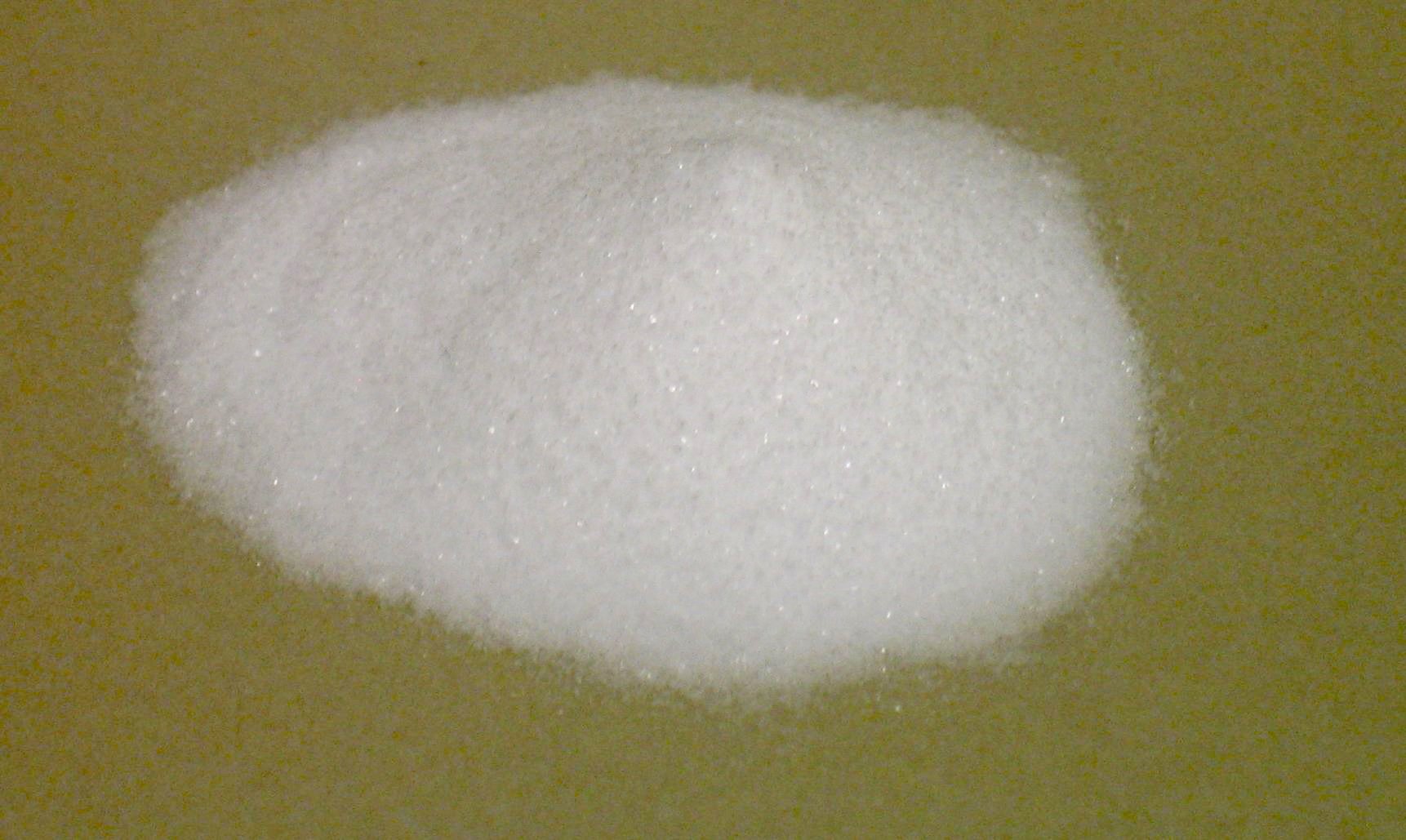
Calcium Citrate (Tetrahydrate)
Tricalcium citrate tetrahydrate for calcium fortification, assaying not less than 97.5% and carrying 21.1% elemental calcium. Free-flowing white powder in USP and FCC grades, milled to your mesh.
Calcium Citrate Malate (CCM)
Water-soluble mixed calcium salt of citric and malic acid, carrying 21.4% elemental calcium at the USP 6:2:3 hexahydrate stoichiometry. Suited to beverages and effervescent formats.