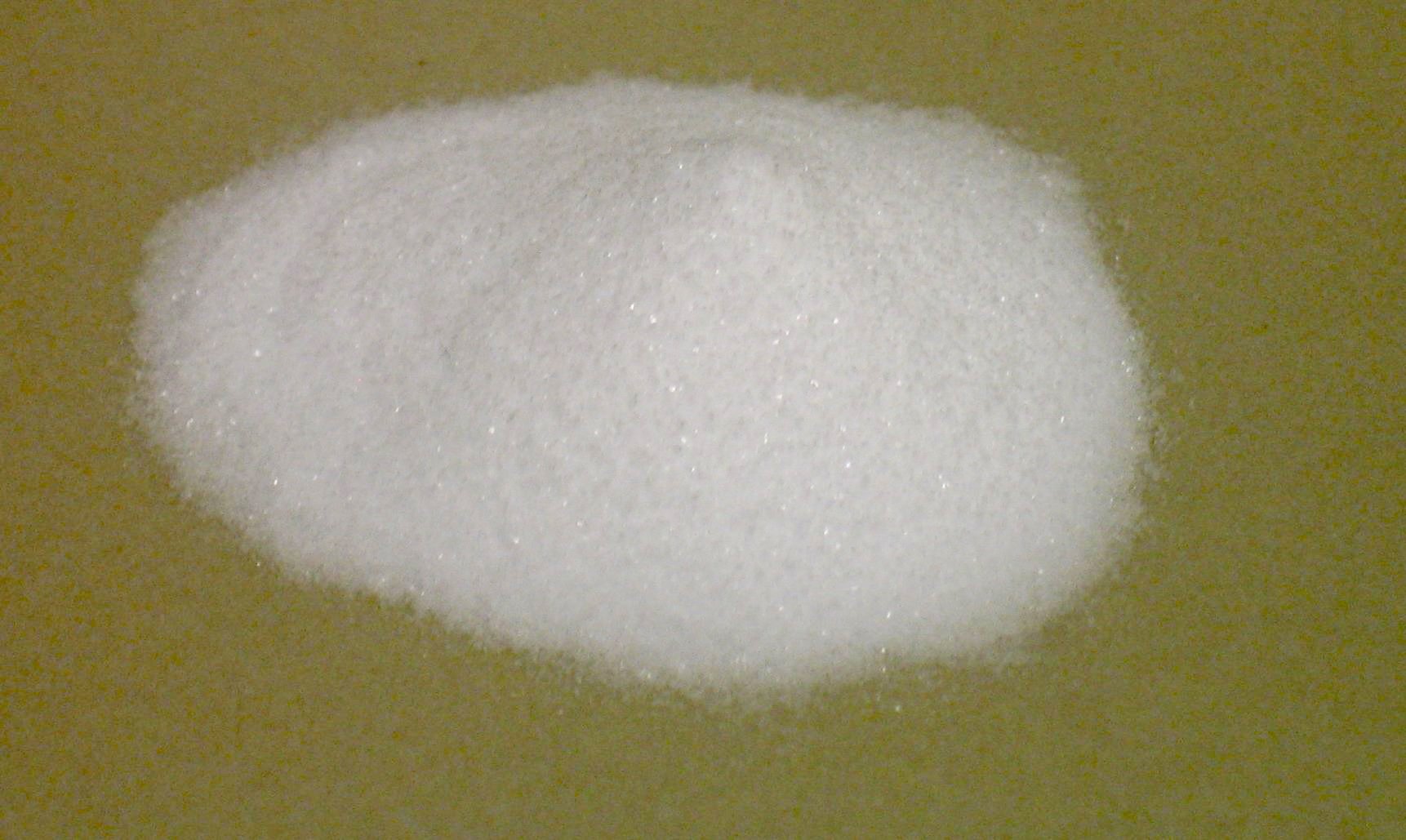
Magnesium Glycinate (Bisglycinate)
Fully reacted magnesium bisglycinate chelate at 12.8-14.0% elemental magnesium, with buffered grades near 20%. Granular and fine-mesh powder for capsules, tablets and drink mixes.
Specifications
| Chemical name | Magnesium bisglycinate (magnesium diglycinate; magnesium bis(2-aminoacetate)) |
| CAS number | 14783-68-7 (EINECS 238-852-2) |
| Molecular formula | C4H8MgN2O4 (molecular weight 172.42) |
| Magnesium content | 12.8-14.0% Mg, fully reacted anhydrous chelate (14.1% theoretical); buffered grades approx. 18-20% Mg |
| Appearance | White to off-white granular or fine powder; characteristic odour and taste |
| Solubility | Slightly soluble in water; soluble in dilute acids |
| Particle size | Not less than 90% through 20 mesh, not more than 15% through 80 mesh (granular grade); fine-milled grades available |
| Loss on drying | Not more than 3.5% |
| Heavy metals | Total NMT 10 ppm; lead NMT 3 ppm; arsenic NMT 1 ppm; cadmium NMT 1 ppm; mercury NMT 0.10 ppm |
| Microbiology | Total plate count NMT 1,000 cfu/g; yeast and mould NMT 300 cfu/g; coliforms NMT 10 cfu/g; E. coli absent per g; Salmonella absent per 25 g |
| Storage | 5-25 degrees C, relative humidity below 60%, protected from sunlight |
| Shelf life | 24 months from manufacture in original unopened packing under the stated storage conditions |
| HS code | 29224990 (India ITC-HS); 2922.49 at international six-digit level |
Applications
Available grades
Nutrition and food grade released to FCC-style in-house specification; fully reacted chelate and buffered chelate; granular 20 mesh and fine-milled powder
Related products
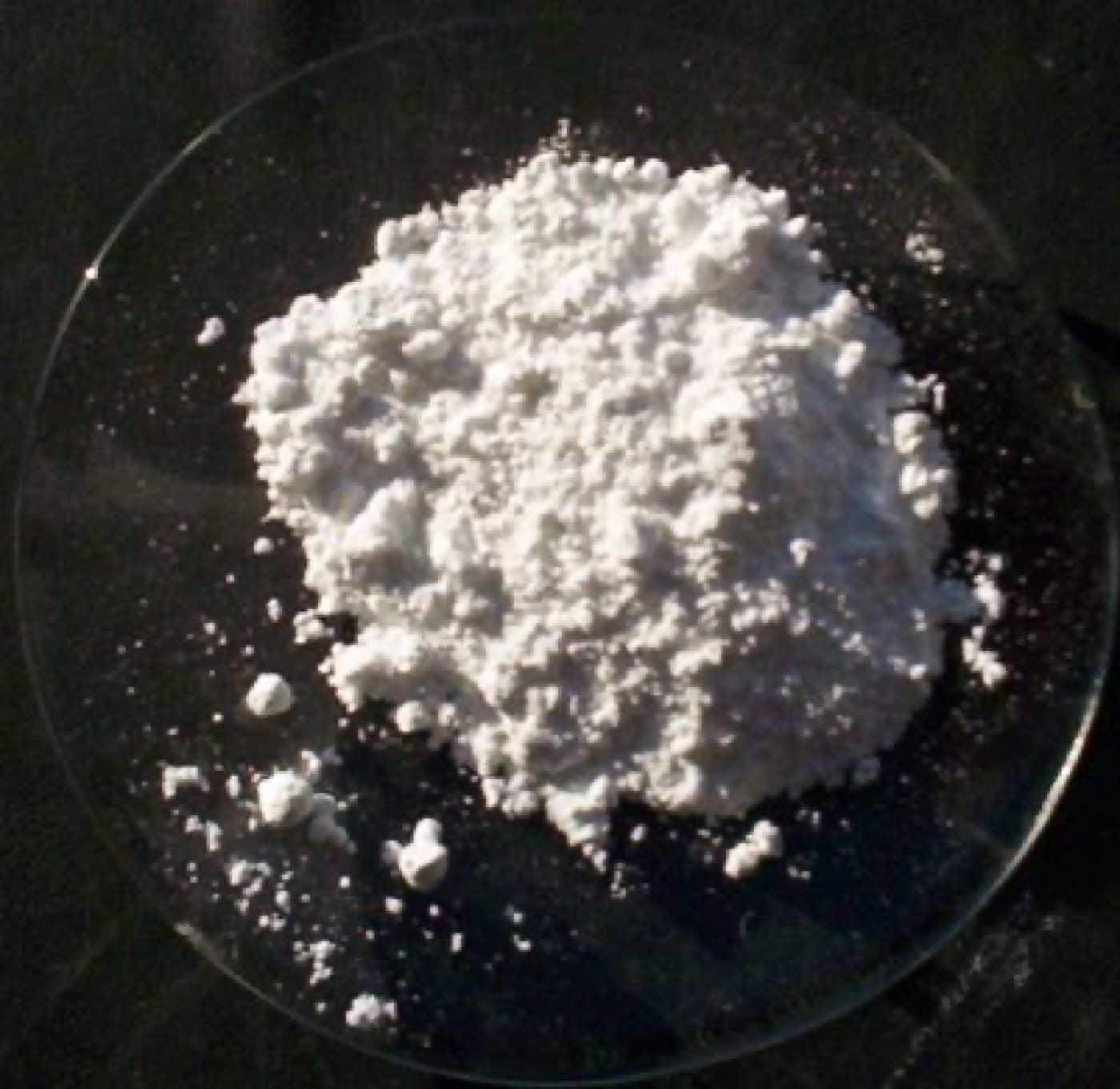
Calcium Carbonate
Bulk precipitated calcium carbonate carrying 40.0% elemental calcium, the densest calcium carrier among the common salts. Supplied to USP, EP, IP and FCC grades in light, heavy and directly compressible forms.
Calcium Citrate (Tetrahydrate)
Tricalcium citrate tetrahydrate for calcium fortification, assaying not less than 97.5% and carrying 21.1% elemental calcium. Free-flowing white powder in USP and FCC grades, milled to your mesh.
Calcium Citrate Malate (CCM)
Water-soluble mixed calcium salt of citric and malic acid, carrying 21.4% elemental calcium at the USP 6:2:3 hexahydrate stoichiometry. Suited to beverages and effervescent formats.