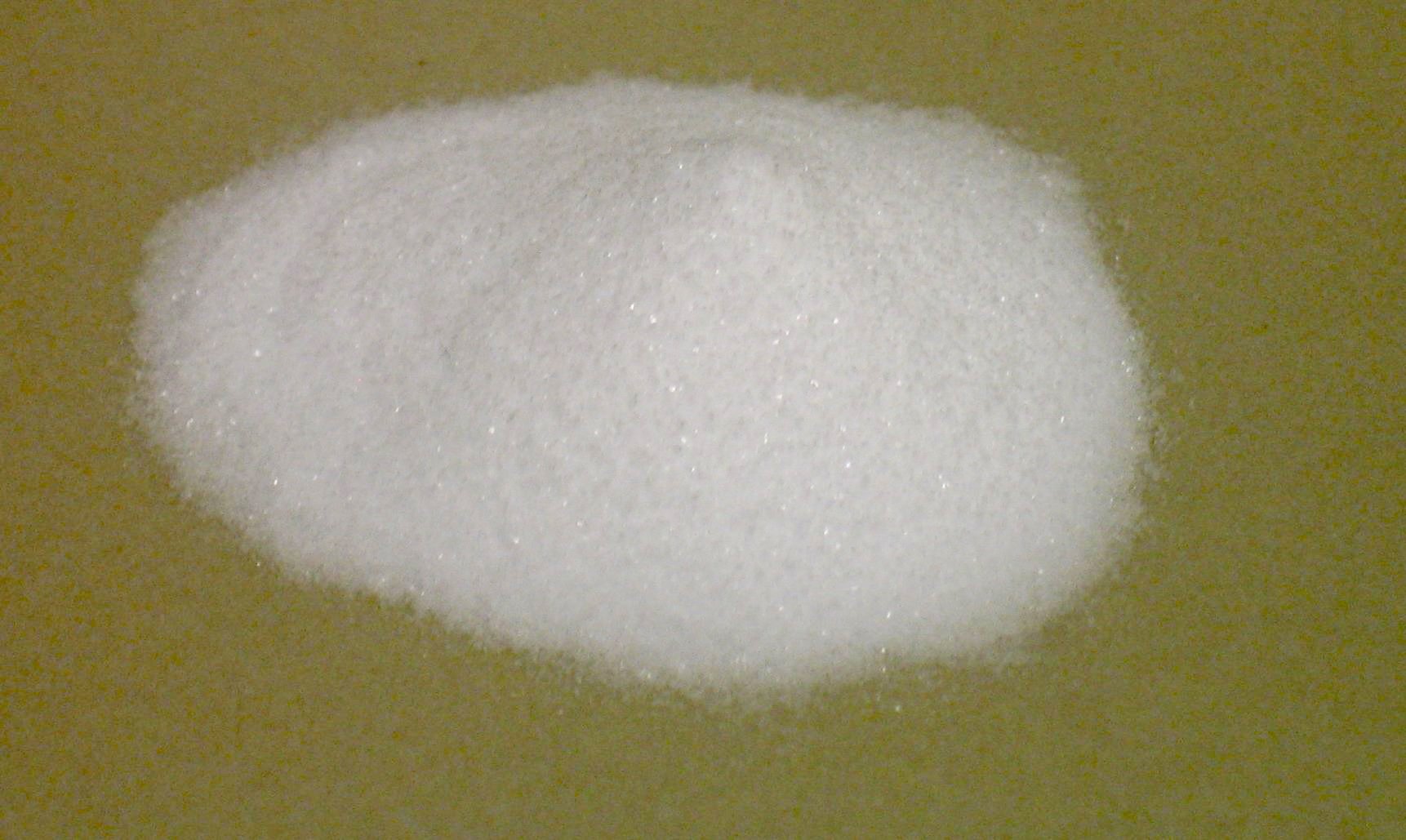
Coral Calcium
Milled fossilised coral calcium from above-sea deposits: calcium carbonate carrying naturally occurring magnesium and trace minerals. Supplied as a food-grade powder with full lot analysis.
Specifications
| Material | Fossilised coral from above-sea limestone deposits of former reef origin; washed, dried and milled - no live coral harvested |
| Chemical name | Coral-derived calcium carbonate (aragonite/calcite) with native magnesium and trace minerals |
| CAS number | Not assigned to the natural material; the principal component, calcium carbonate, is CAS 471-34-1 |
| Molecular formula | Predominantly CaCO3 (molecular weight 100.09), not a separately chemically defined compound |
| Assay | Calcium carbonate content and elemental calcium determined per lot against an agreed minimum; theoretical ceiling 40.0% Ca for pure CaCO3 |
| Appearance | Off-white to pale cream fine powder, odourless |
| Solubility | Practically insoluble in water; dissolves with effervescence in dilute hydrochloric or acetic acid |
| Loss on drying | Determined per lot against the agreed specification |
| Heavy metals | Lead, cadmium, mercury and arsenic tested per lot by ICP-MS to the destination-market limits - routine for marine-origin material |
| Microbiology | Total plate count, yeast and mould, E. coli and Salmonella tested per lot |
| Particle size | Milled to buyer mesh specification; standard fine powder and coarser sachet grades |
| Shelf life | 36 months from manufacture in unopened original packing, stored dry below 30 °C |
| HS code | 2530.90 (25309099) |
Applications
Available grades
Food grade; unbleached fossilised coral powder, supplied plain or standardised to a stated minimum calcium content
Related products
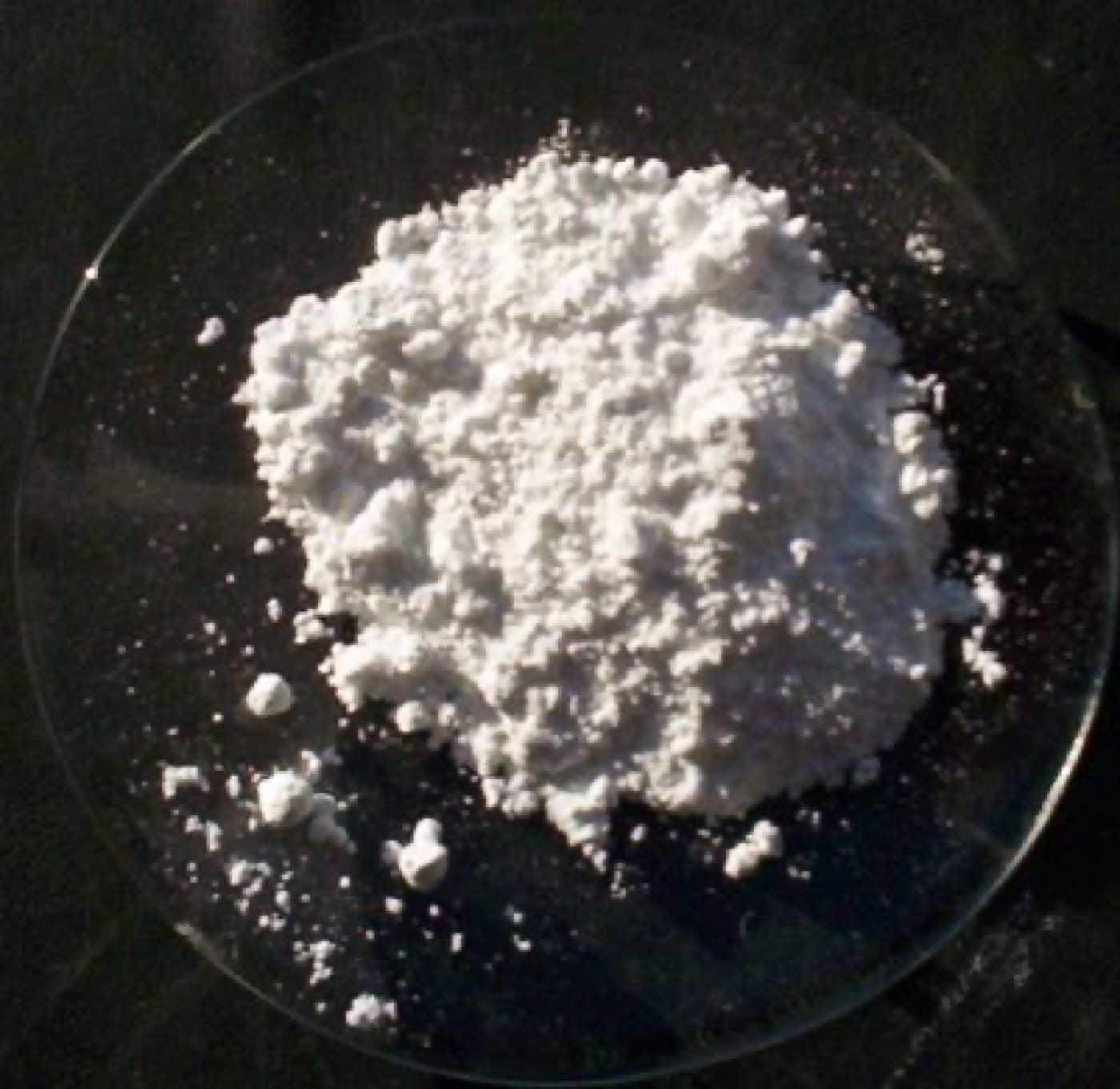
Calcium Carbonate
Bulk precipitated calcium carbonate carrying 40.0% elemental calcium, the densest calcium carrier among the common salts. Supplied to USP, EP, IP and FCC grades in light, heavy and directly compressible forms.
Calcium Citrate (Tetrahydrate)
Tricalcium citrate tetrahydrate for calcium fortification, assaying not less than 97.5% and carrying 21.1% elemental calcium. Free-flowing white powder in USP and FCC grades, milled to your mesh.
Calcium Citrate Malate (CCM)
Water-soluble mixed calcium salt of citric and malic acid, carrying 21.4% elemental calcium at the USP 6:2:3 hexahydrate stoichiometry. Suited to beverages and effervescent formats.