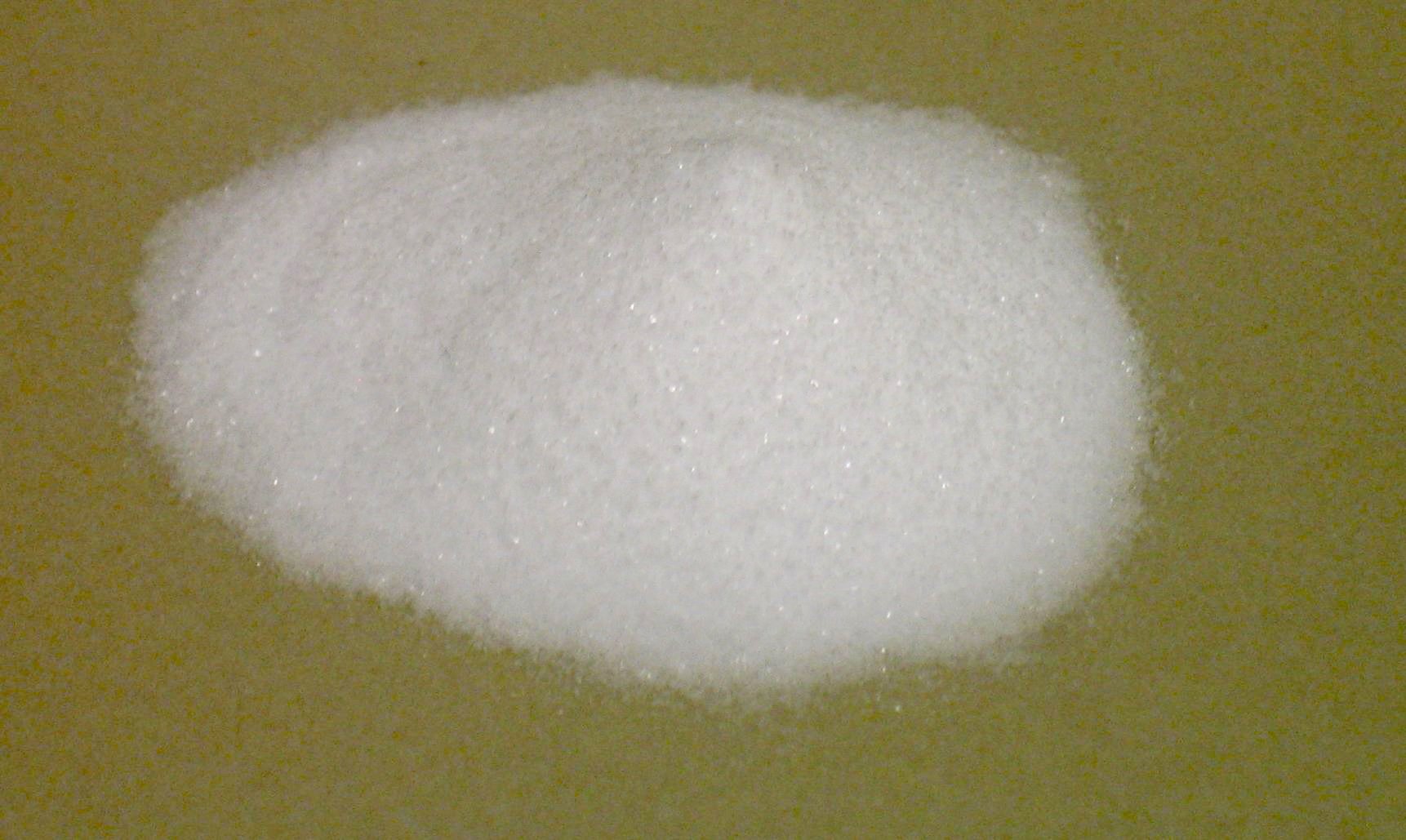
Copper Gluconate (Cupric Gluconate)
Bulk cupric gluconate powder to USP and FCC requirements, assaying 98.0-102.0% and carrying 13.7-14.3% elemental copper in a freely water-soluble organic salt for premix, tablet and beverage manufacture.
Specifications
| Chemical name | Copper(II) D-gluconate (cupric gluconate) |
| CAS number | 527-09-3 |
| Molecular formula | C12H22CuO14 (MW 453.84) |
| Assay (USP) | 98.0 - 102.0% of C12H22CuO14 |
| Elemental copper | 13.7 - 14.3% as-is (theoretical 14.0%) |
| Appearance | Fine light blue to blue-green free-flowing powder, odourless |
| Solubility | Very soluble in water (approx. 30 g/100 mL at 25 C); very slightly soluble in ethanol; insoluble in acetone and ether |
| Particle size | 95% minimum through 80 mesh (approx. 180 micron) |
| Loss on drying | Determined by USP <731>; batch value stated on certificate of analysis |
| Heavy metals | Lead NMT 5 ppm; arsenic NMT 3 ppm (standard USP grade) |
| Shelf life & storage | 36 months from manufacture in unopened original packing; store below 25 C in a dry place away from direct light |
| HS code | 2918 16 90 (India ITC-HS) |
Applications
Available grades
USP, FCC, food grade, feed grade
Related products
Calcium Carbonate
Bulk precipitated calcium carbonate carrying 40.0% elemental calcium, the densest calcium carrier among the common salts. Supplied to USP, EP, IP and FCC grades in light, heavy and directly compressible forms.
Calcium Citrate (Tetrahydrate)
Tricalcium citrate tetrahydrate for calcium fortification, assaying not less than 97.5% and carrying 21.1% elemental calcium. Free-flowing white powder in USP and FCC grades, milled to your mesh.
Calcium Citrate Malate (CCM)
Water-soluble mixed calcium salt of citric and malic acid, carrying 21.4% elemental calcium at the USP 6:2:3 hexahydrate stoichiometry. Suited to beverages and effervescent formats.