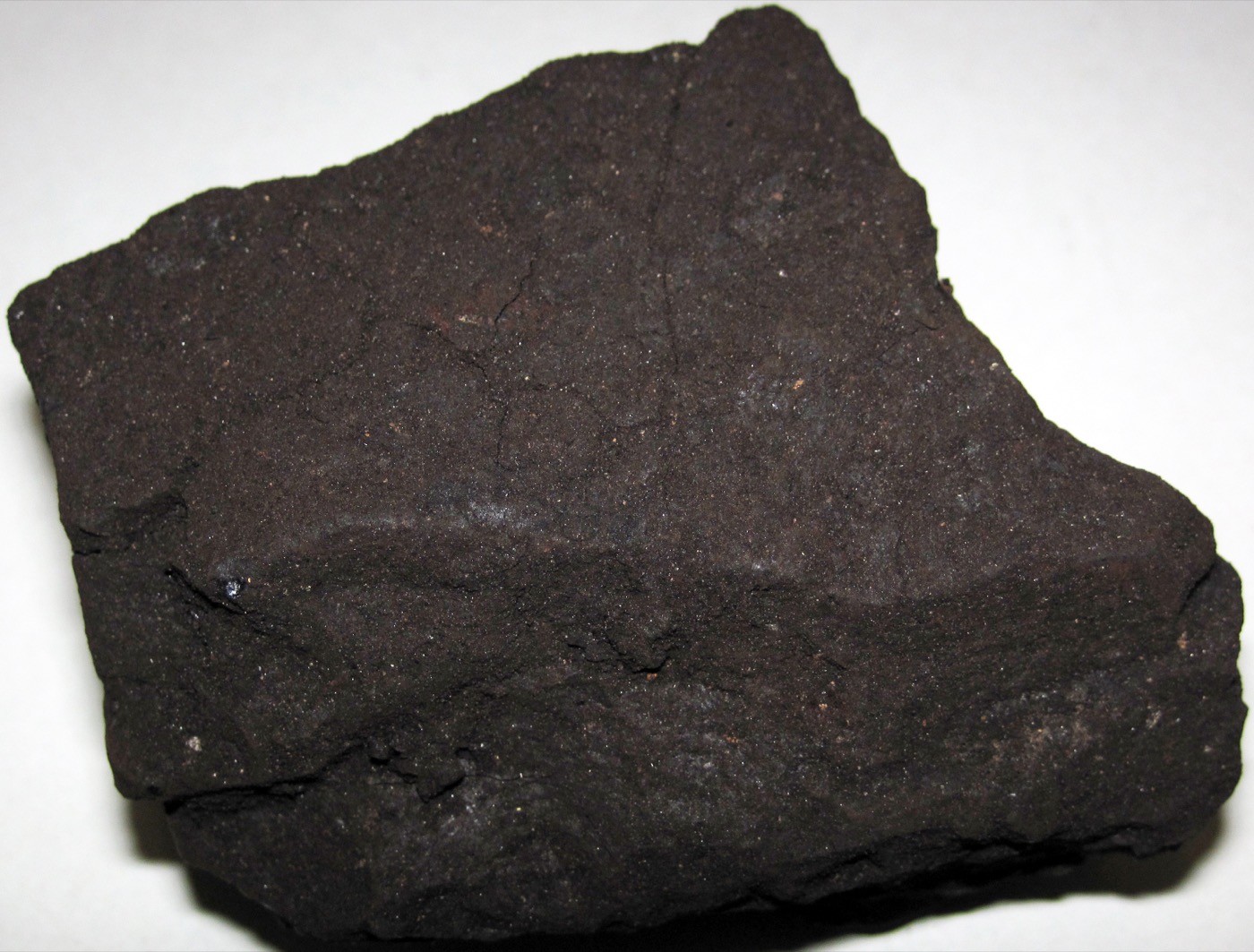
Colloidal Trace Mineral Blend
A dark aqueous concentrate holding a broad spread of mineral elements in colloidal dispersion, water-extracted from humic shale and standardised to the marker elements the buyer specifies. Vegan, allergen-free.
Specifications
| Product type | Aqueous colloidal multi-mineral concentrate, a blend rather than a single defined chemical, so no single CAS number applies to the finished liquid. |
| Source material | Mineral-rich humic shale of the weathered-lignite (leonardite) type, extracted with purified water; a desulphated sea-bittern base is offered as an alternative. |
| Appearance | Dark brown to near-black mobile liquid. Slight settling on standing is inherent to a colloidal dispersion and re-disperses on agitation. |
| Colloidal state | Dispersed phase sits in the IUPAC colloid range, roughly 1 nm to 1 µm in at least one dimension, rather than being a true ionic solution. |
| Mineral profile | Multi-element: magnesium, potassium, calcium, iron, zinc, manganese, copper, selenium and further trace elements, each quantified per lot by ICP-OES or ICP-MS. |
| Standardisation | Set against the buyer's marker elements and total mineral solids; lot values appear on the CoA. No label claim is shipped that the CoA does not support. |
| Humic and fulvic matrix | Humic and fulvic substances co-extract with the minerals. Humic acid is CAS 1415-93-6; CAS 479-66-3 is a discrete Penicillium metabolite and does not identify this fraction. |
| Aluminium | Naturally abundant in shale-derived colloidal minerals, so it is reported on every CoA rather than left off the panel. An aluminium-reduced grade is available. |
| Heavy metals | Per-lot ICP-MS for As, Cd, Pb and Hg. Default ceilings follow ASEAN health-supplement guidance (Pb 10, As 5, Hg 0.5, Cd 0.3 mg/kg); tighter buyer limits accepted. |
| pH and miscibility | Acidic, as expected of a fulvic-humic extract; exact pH on the CoA. Miscible with water, but dilute before dosing into neutral or alkaline systems to avoid flocculation. |
| Allergen status | Free from milk, egg, soy, fish, crustacean, gluten, peanut and tree nut. No protein carrier, no ethanol, no added colour or flavour. |
| Origin and dietary status | Vegan and vegetarian. No bovine, porcine or other animal-derived input; the optional marine grade is sea-brine derived and likewise non-animal. |
| Shelf life and storage | 24 months from manufacture in unopened original packaging below 30 °C, out of direct sunlight; do not freeze. Re-agitate before use. |
| HS code | 2530.90 (25309099) |
Applications
Available grades
Standard humic-shale grade, water-extracted and unflavoured. Aluminium-reduced grade for buyers with tight internal aluminium limits. Low-sodium marine grade built on desulphated sea bittern, the magnesium-chloride-rich mother liquor left after sodium chloride crystallises in solar salt works. Preservative-free grade for cold-chain or hot-fill buyers. A separate feed and agricultural grade of the same chemistry is available but is not food grade and is not interchangeable with the grades above.
Related products
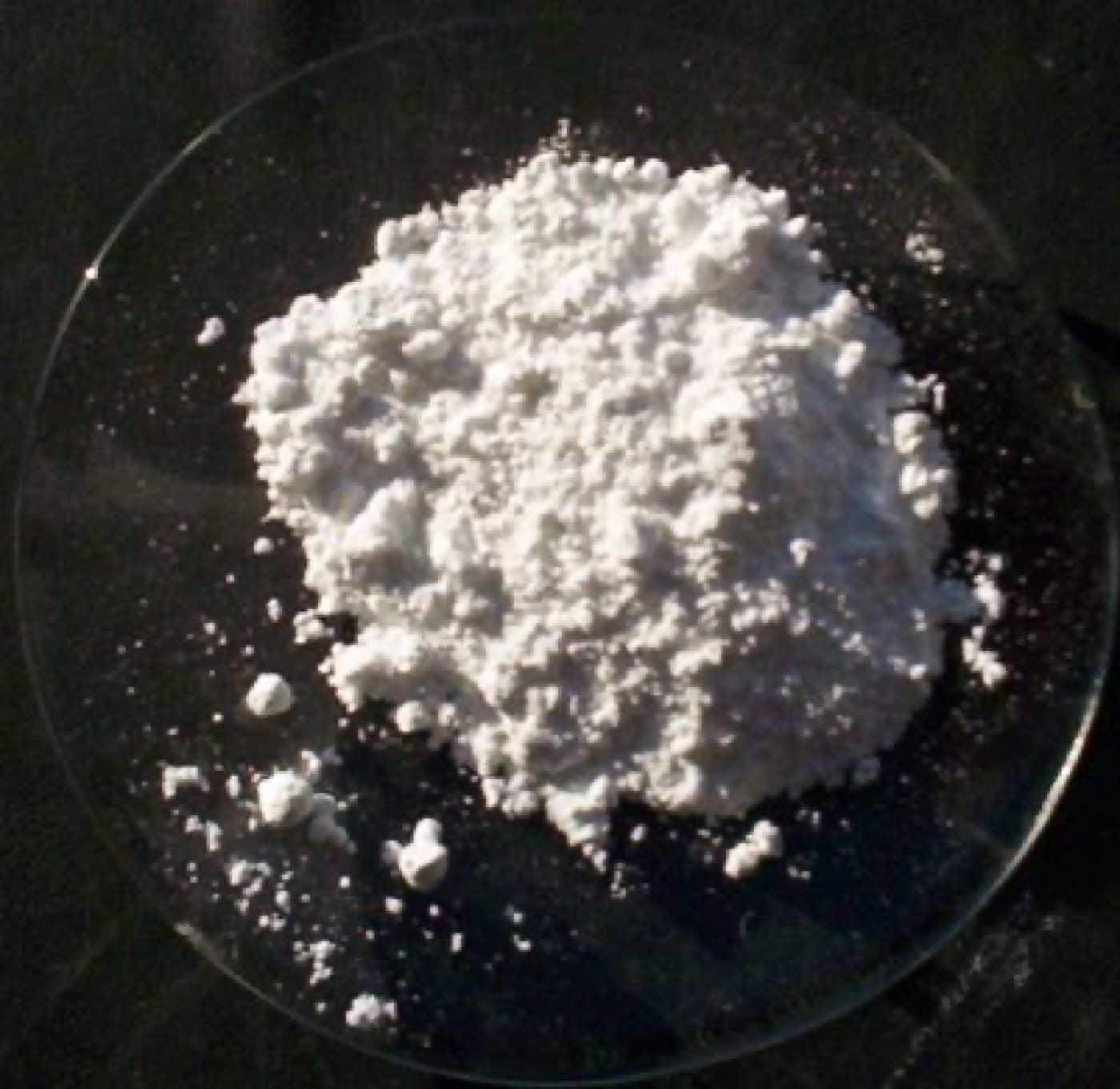
Calcium Carbonate
Bulk precipitated calcium carbonate carrying 40.0% elemental calcium, the densest calcium carrier among the common salts. Supplied to USP, EP, IP and FCC grades in light, heavy and directly compressible forms.
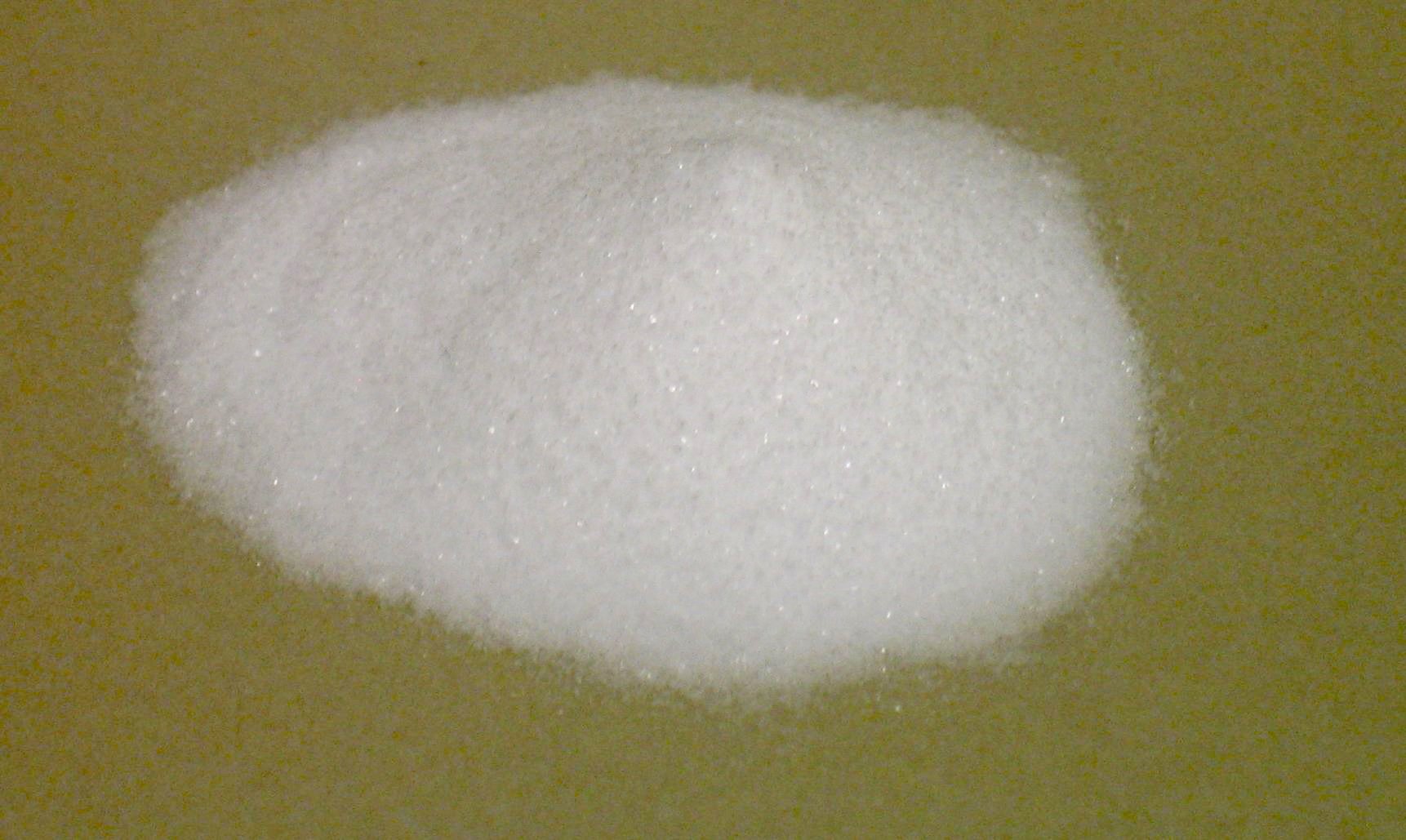
Calcium Citrate (Tetrahydrate)
Tricalcium citrate tetrahydrate for calcium fortification, assaying not less than 97.5% and carrying 21.1% elemental calcium. Free-flowing white powder in USP and FCC grades, milled to your mesh.
Calcium Citrate Malate (CCM)
Water-soluble mixed calcium salt of citric and malic acid, carrying 21.4% elemental calcium at the USP 6:2:3 hexahydrate stoichiometry. Suited to beverages and effervescent formats.