Iron (Carbonyl)
Carbonyl iron, elemental · Fe
USP-NF carbonyl iron powder, not less than 98.0% Fe as spherical microparticles passing 325 mesh, for chewable tablets, fortified foods and technical applications.
Specifications
| Chemical name | Iron, elemental, produced by the carbonyl process |
| CAS number | 7439-89-6 |
| Molecular formula | Fe |
| Atomic weight | 55.845 |
| Assay | Not less than 98.0% of Fe calculated on the as-is basis (USP-NF, Iron, Carbonyl); higher-purity process grades above 99.5% Fe available |
| Manufacture | Chemical decomposition of purified iron pentacarbonyl, yielding spherical microparticles |
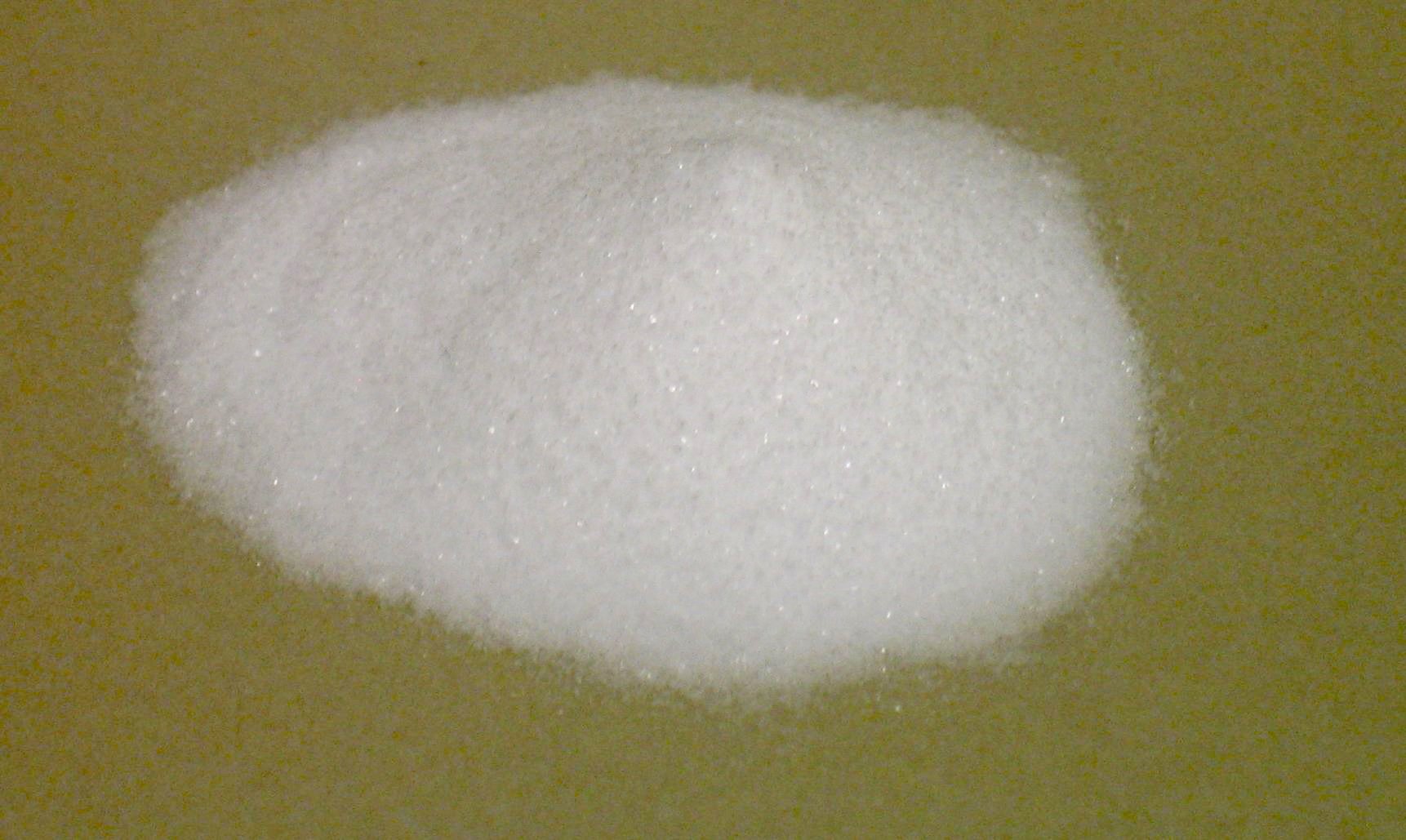
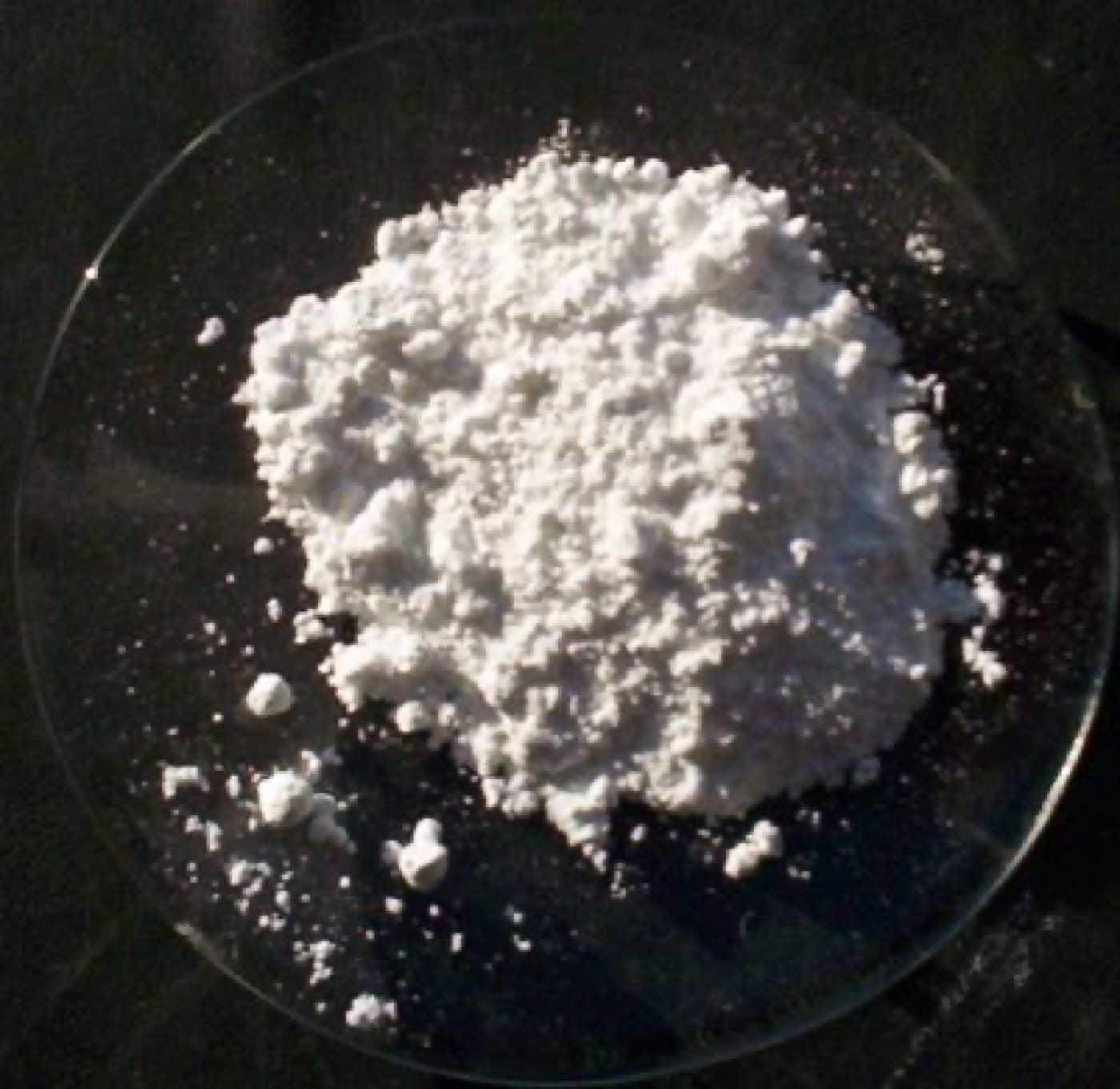
| Appearance | Grey to greyish-black free-flowing powder of spherical microparticles |
| Particle size | Not less than 100% passes a 200-mesh sieve; not less than 95% passes a 325-mesh sieve (USP-NF) |
| Solubility | Insoluble in water; dissolves in dilute mineral acids |
| Acid-insoluble substances | Not more than 0.2% (USP-NF) |
| Heavy metals | Arsenic not more than 3 µg/g; lead not more than 4 µg/g; mercury not more than 2 µg/g (USP-NF) |
| Residual elements | Carbon, oxygen and nitrogen are the principal residuals from the carbonyl route |
| Shelf life | 24 months from manufacture in sealed original packing, stored cool and dry; reseal after part use to limit surface oxidation |
| HS code | 7205 29 10 (India ITC-HS) |
Carbonyl iron is elemental iron produced by the thermal decomposition of purified iron pentacarbonyl, a route commercialised in 1925 and still the basis of manufacture today. It is not a salt: the product is metallic iron (CAS 7439-89-6, atomic weight 55.845) in the form of a grey to greyish-black free-flowing powder made up of spherical microparticles. The USP-NF monograph Iron, Carbonyl requires not less than 98.0% of Fe on the as-is basis, with not less than 100% passing a 200-mesh sieve and not less than 95% passing 325 mesh, and acid-insoluble substances not more than 0.2%. Higher-purity process grades reaching above 99.5% iron are also produced, with carbon, oxygen and nitrogen as the principal residual elements.
Because the material is elemental rather than ionic, it is insoluble in water and dissolves only in dilute mineral acids. Formulators use it where an iron source with minimal reactivity toward other ingredients is wanted: chewable and paediatric tablets, fortified cereals and confectionery, and dry blends in which a soluble ferrous salt would drive colour change or off-flavour. Iron delivered from this source supports the same established functions as any other dietary iron, forming part of haemoglobin and of iron-dependent enzyme systems. The very fine, narrow particle size distribution is central to the product's performance and is the specification point buyers should fix first. Outside nutrition, the same powder is consumed in powder metallurgy, metal injection moulding and magnetic core manufacture, so grade separation between food and technical qualities is documented on each lot.
Each batch is released with a certificate of analysis covering iron assay on the as-is basis, sieve analysis against the 200- and 325-mesh limits, acid-insoluble substances, and elemental impurities to the USP-NF limits of arsenic not more than 3 micrograms per gram, lead not more than 4 micrograms per gram and mercury not more than 2 micrograms per gram. The powder is dense and will oxidise slowly if left open to humid air, so it is packed in lined drums that should be resealed after part use. Retention samples, independent verification and full export documentation are provided as standard.
Applications
Chewable iron tabletsPaediatric supplement formatsFortified breakfast cerealsMicronutrient premixesTablets and capsulesConfectionery fortificationPowder metallurgy and MIMMagnetic core manufacture
Available grades
USP-NF (Iron, Carbonyl), food grade; higher-purity and technical/electronic grades on request
Packaging: 25 kg or 50 kg fibre or steel drums with an inner double polyethylene liner; smaller 5 kg and 10 kg lined pails for pilot and trial quantities. High bulk density, so drums are palletised and strapped, typically 20-24 MT per 20 ft FCL. Marked with product name, grade, batch number, manufacturing and expiry dates and net weight; CoA, MSDS and full export documentation supplied with each consignment.