Calcium Phosphate
Mineral-origin calcium phosphate in tribasic, dibasic and monobasic grades, up to 38.8% elemental calcium. Free-flowing white powder for tablets, fortified foods and premixes. Not bone-derived.
Specifications
| Chemical name | Tricalcium phosphate (tribasic calcium phosphate, E341(iii)); supplied alongside dibasic E341(ii) and monobasic E341(i) grades |
| CAS number | 7758-87-4 tribasic; 7757-93-9 dibasic anhydrous; 7789-77-7 dibasic dihydrate; 7758-23-8 monobasic anhydrous; 10031-30-8 monobasic monohydrate |
| Molecular formula | Ca3(PO4)2, MW 310.18 (tribasic); CaHPO4, MW 136.06 anhydrous and 172.09 dihydrate (dibasic); Ca(H2PO4)2, MW 234.05 (monobasic) |
| Elemental calcium | 38.8% theoretical on Ca3(PO4)2; 29.5% dibasic anhydrous; 23.3% dibasic dihydrate; 17.1% monobasic anhydrous. Lot value on the Certificate of Analysis |
| Assay | To the ordered monograph - USP/NF, Ph. Eur./BP or FCC/JECFA food grade; assay and calcium content certified per lot against the agreed specification |
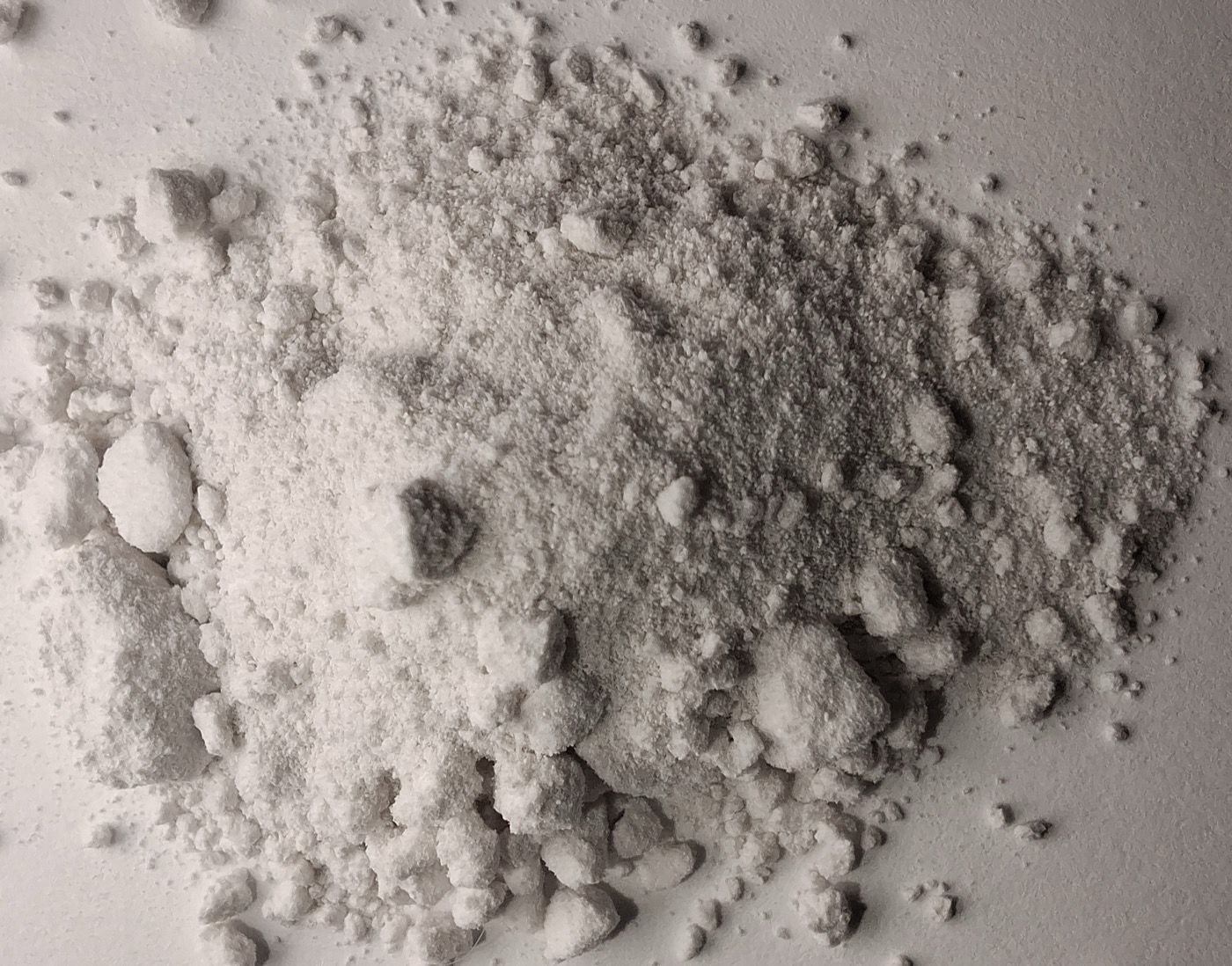
| Appearance | White, odourless, tasteless powder; the tribasic grade is light and bulky, the dibasic grades denser and free-flowing |
| Solubility | Tribasic practically insoluble in water (approx. 1.2 mg/kg); dibasic approx. 0.02 g/100 mL; all grades dissolve in dilute hydrochloric or nitric acid |
| Origin | Mineral route from phosphate-rock-derived phosphoric acid and a calcium source. Not bone-derived, not bone ash. Vegan and vegetarian suitable |
| Allergen status | Free from milk, egg, soy, fish, crustacean, gluten and nut allergens; no animal-derived processing aids |
| Purity and contaminants | Fluoride, lead, arsenic, cadmium and mercury tested per lot to the monograph and destination-market limits; acid-insoluble matter and loss on ignition reported |
| Particle size and density | Fine powder standard; granular, spray-dried and direct-compression grades cut to buyer mesh and bulk-density specification |
| Microbiology | Total plate count, yeast and mould, E. coli and Salmonella tested per lot on food and pharmaceutical grades |
| Functional role | Calcium fortificant, anticaking and free-flow agent, tablet filler-binder and mild abrasive; the monobasic grade also acts as a leavening acid |
| Shelf life | 36 months from manufacture in unopened original packing, stored dry below 30 °C |
| HS code | 2835.26 (28352620) |
Applications
Available grades
Tribasic (TCP), dibasic anhydrous, dibasic dihydrate and monobasic grades; USP/NF, Ph. Eur./BP and FCC/JECFA food grade; fine powder, granular and direct-compression cuts. Kosher and halal certification available.
Related products
Calcium Carbonate
Bulk precipitated calcium carbonate carrying 40.0% elemental calcium, the densest calcium carrier among the common salts. Supplied to USP, EP, IP and FCC grades in light, heavy and directly compressible forms.
Calcium Citrate (Tetrahydrate)
Tricalcium citrate tetrahydrate for calcium fortification, assaying not less than 97.5% and carrying 21.1% elemental calcium. Free-flowing white powder in USP and FCC grades, milled to your mesh.
Calcium Citrate Malate (CCM)
Water-soluble mixed calcium salt of citric and malic acid, carrying 21.4% elemental calcium at the USP 6:2:3 hexahydrate stoichiometry. Suited to beverages and effervescent formats.