Boron (Sodium Borate)
Disodium tetraborate decahydrate · Na2B4O7·10H2O
Bulk sodium borate (disodium tetraborate decahydrate) to Ph. Eur. Borax specification, 99.0-103.0% assay and 11.34% elemental boron. Decahydrate, pentahydrate and anhydrous grades.
Specifications
| Chemical name | Disodium tetraborate decahydrate (borax) |
| CAS number | 1303-96-4 (decahydrate); 12179-04-3 (pentahydrate); 1330-43-4 (anhydrous) |
| Molecular formula | Na2B4O7·10H2O (Mr 381.4); structurally Na2[B4O5(OH)4]·8H2O |
| Assay | 99.0% to 103.0% Na2B4O7·10H2O (Ph. Eur. 0013, Borax) |
| Elemental boron | 11.34% decahydrate; 14.85% pentahydrate; 21.49% anhydrous (theoretical) |
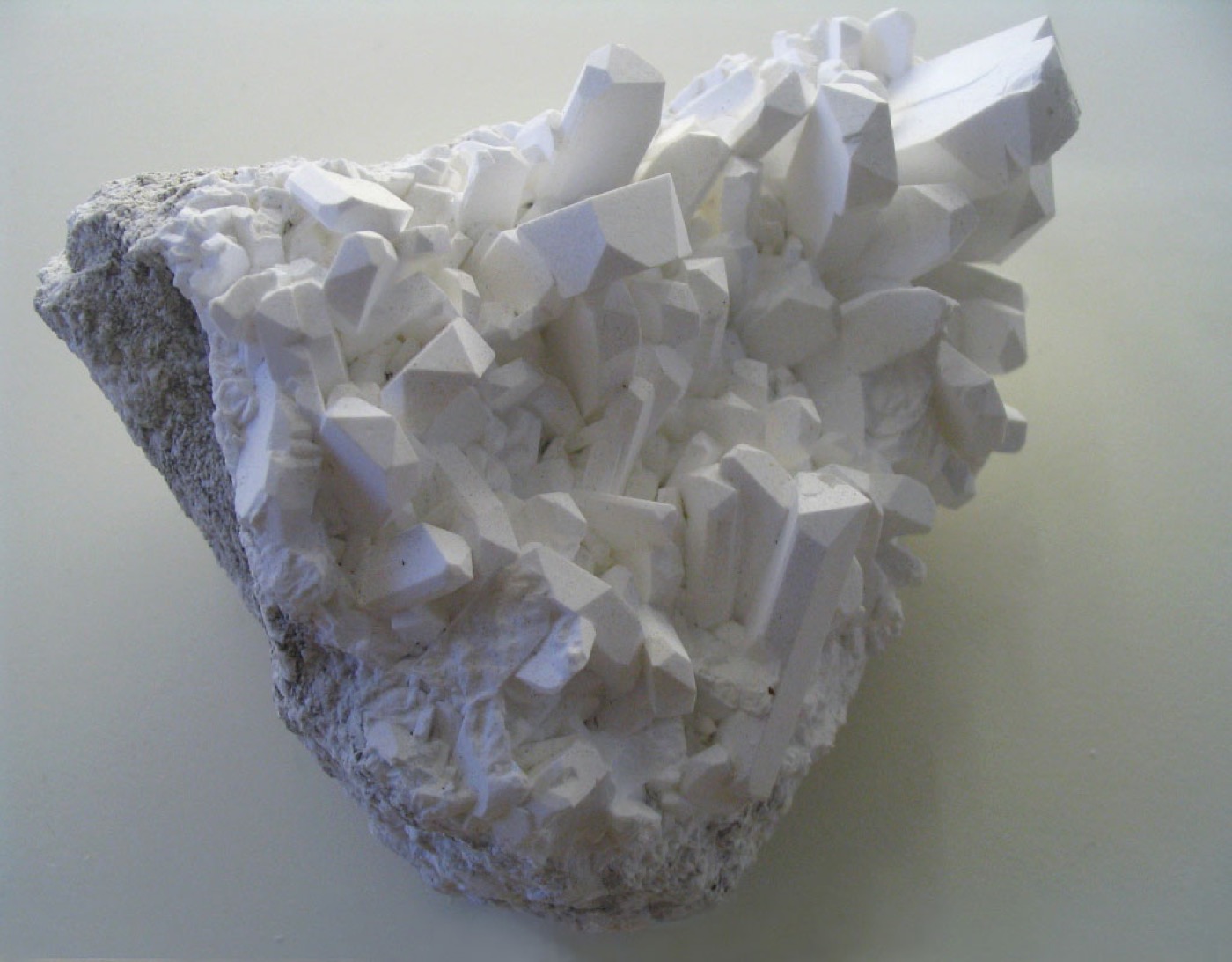
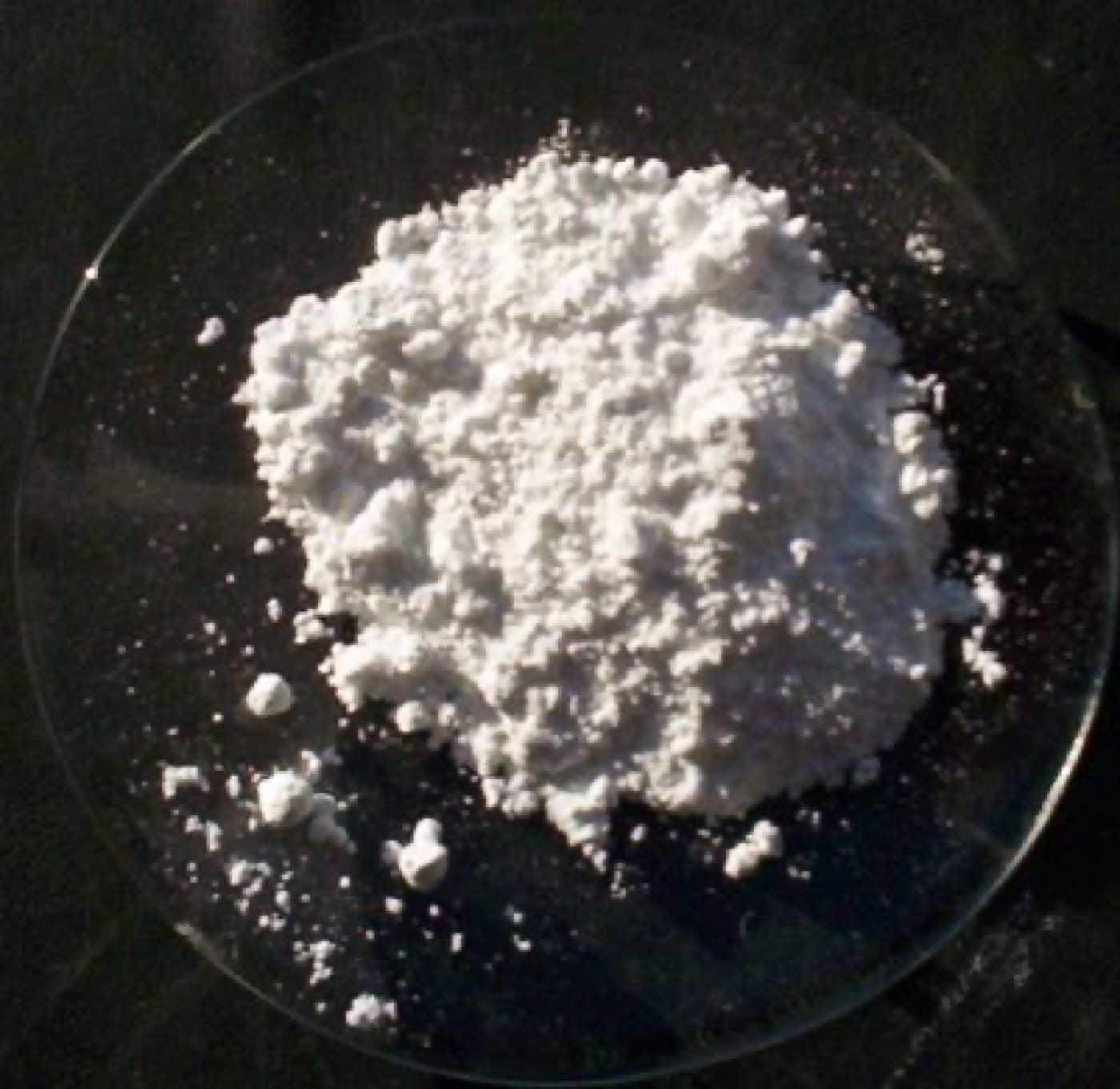
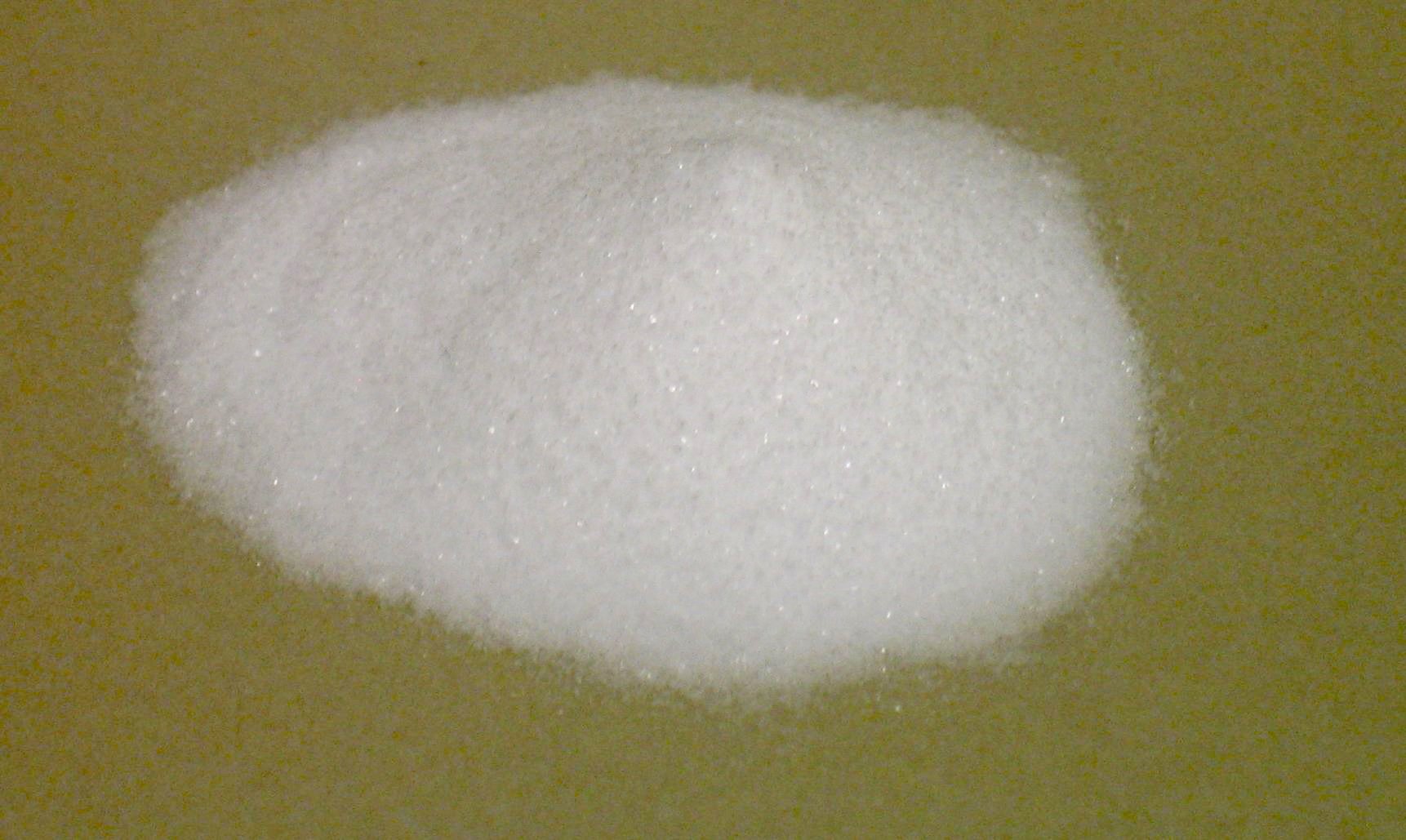
| Appearance | White or almost white crystalline powder, colourless crystals or crystalline masses; efflorescent |
| Solubility | Soluble in water; very soluble in boiling water; freely soluble in glycerol |
| pH | 9.0 to 9.6 in 4% w/v aqueous solution (Ph. Eur.) |
| Purity limits | Heavy metals NMT 25 ppm; arsenic NMT 5 ppm; calcium NMT 100 ppm; ammonium NMT 10 ppm; sulfates NMT 50 ppm |
| Particle size | Granular or milled powder; -100 mesh and -200 mesh grades on request |
| Shelf life & storage | 24 months in sealed moisture-barrier packing; efflorescent, loses water of crystallisation in dry air, keep tightly closed |
| HS code | 2840.19 — India ITC-HS 28401900 (Disodium tetraborate, refined borax: Other); anhydrous grade 28401100 |
Thovek supplies sodium borate as refined disodium tetraborate decahydrate (borax, Na2B4O7·10H2O, CAS 1303-96-4, Mr 381.4) together with the pentahydrate (CAS 12179-04-3) and the anhydrous salt (CAS 1330-43-4). Boron loading rises as water of crystallisation is removed: 11.34 per cent elemental boron in the decahydrate, 14.85 per cent in the pentahydrate and 21.49 per cent in the anhydrous grade, which is the usual basis for choosing between them in a dry blend or a fertiliser formulation. Boron is listed in Annex I of EU Directive 2002/46/EC as a mineral that may be used in food supplements, with boric acid and sodium borate as the two permitted sources in Annex II; no health claim is made for it here.
Pharmacopoeial material is offered to Ph. Eur. monograph 0013 (Borax) — content 99.0 per cent to 103.0 per cent Na2B4O7·10H2O, pH 9.0 to 9.6 in a 4 per cent w/v aqueous solution, heavy metals not more than 25 ppm, arsenic not more than 5 ppm, calcium not more than 100 ppm, ammonium not more than 10 ppm and sulfates not more than 50 ppm. FCC/food grade, technical and glass grades are also available. The decahydrate is a white crystalline powder, colourless crystals or crystalline masses and is efflorescent — it sheds water of crystallisation in dry air, which is why content is assayed on the as-is basis and why the material is packed behind a moisture barrier and blended promptly after opening. Granular, milled and -200 mesh presentations are produced to order.
Buyers should note that borates are regulated substances in several markets. Borax was added to the REACH Candidate List of Substances of Very High Concern on 16 December 2010 following its classification as toxic for reproduction, category 1B, under the EU CLP Regulation, and EU-bound consignments carry the corresponding hazard labelling. Permitted use levels, labelling and authorisation status differ by destination and by end use, and confirming them for the intended market remains the buyer's responsibility; Thovek supplies the technical dossier needed to support that assessment. Each lot ships with a certificate of analysis, MSDS, GMP and FSSC certificates and non-GMO and allergen declarations. Exported from India under ITC-HS 28401900 (28401100 for the anhydrous grade).
Applications
Boron supplement blendsMineral premix manufactureMicronutrient fertiliser blendsGlass and ceramic fritsBuffer and pH systemsMetallurgical fluxDetergent and cleaning formulationsLaboratory buffer preparation
Available grades
Ph. Eur./BP (Borax), FCC/food grade, technical grade, glass grade, fertiliser grade; decahydrate, pentahydrate and anhydrous forms
Packaging: Packed in 25 kg and 50 kg multiwall paper bags with polyethylene inner liner, or 25 kg HDPE drums with double LDPE liners for pharmacopoeial grades; 1000 kg jumbo bags for technical and fertiliser volumes. Moisture-barrier packing is used throughout to limit efflorescence. Palletised, strapped and shrink-wrapped for FCL or LCL export, with hazard labelling applied where the destination market requires it.