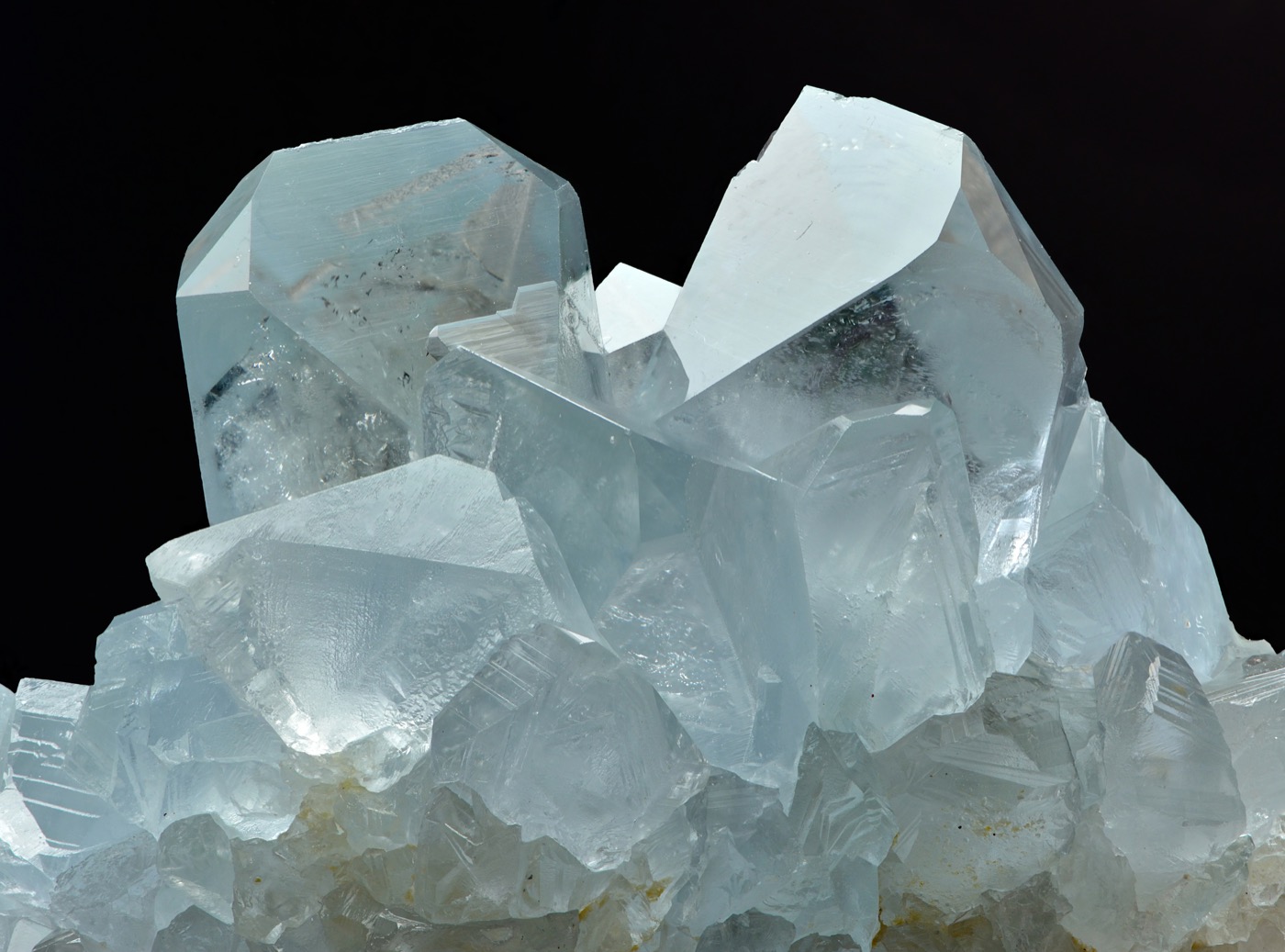
Strontium Citrate
Strontium citrate, CAS 813-97-8, C6H6O7Sr, MW 277.73, supplying 30.4 to 32.4% elemental strontium on the dried basis. Vegan, allergen-free mineral salt in free-flowing powder form.
Specifications
| Chemical name | Strontium hydrogen citrate, traded as strontium citrate (1:1). Tribasic tristrontium dicitrate is a separate stoichiometry. |
| CAS number and UNII | CAS 813-97-8; FDA UNII ZZG3847S6Y |
| Formula and molecular weight | C6H6O7Sr; 277.73 g/mol |
| Elemental strontium | 30.4% to 32.4% on the dried basis (theoretical 31.6%). Use this range to convert a label dose of elemental Sr into fill weight. |
| Appearance | White to off-white odourless granular to crystalline free-flowing powder |
| Solubility | Practically to sparingly soluble in water; solubility increases in dilute acid. Not suitable for clear ready-to-drink liquids. |
| Loss on drying | NMT 5.0% (105 C, 4 hours) |
| Chloride and sulfate | Chloride NMT 0.1% (1000 ppm); sulfate NMT 0.1% (1000 ppm) |
| Heavy metals | NMT 10 ppm as lead; arsenic NMT 3 ppm |
| Pharmacopoeial status | No USP, EP, BP or JP monograph exists for strontium citrate. Supplied against Thovek in-house specification with full batch COA. |
| Source and diet status | Mineral origin, from celestine (SrSO4) via strontium carbonate. Vegan and vegetarian; no bovine, porcine, marine or fish input. |
| Allergen status | No milk, egg, soy, fish, crustacean, gluten or nut input at any stage; no allergen to declare. Non-GMO by nature of the process. |
| Nutritional and regulatory status | Not an essential nutrient; no RDA or NRV. Absent from Annex I of EU Directive 2002/46/EC, so not permitted in EU food supplements. Check each market. |
| Shelf life | 36 months in tightly closed original packing in a cool dry place. |
| HS code | 29181590, other salts and esters of citric acid |
Applications
Available grades
Food and nutraceutical grade to general food-chemical purity criteria for mineral salts, plus technical grade and analytical reagent grade. No pharmacopoeial monograph exists, so all grades are released against Thovek's in-house specification. Vegan, allergen-free and non-GMO. Halal and kosher certification available on request. Granular and fine-milled particle sizes to suit direct compression or capsule filling.
Related products
Glucosamine Sulphate (Potassium Chloride Salt)
Stabilised glucosamine sulphate potassium chloride double salt, (C6H14NO5)2SO4·2KCl, assayed 98.0-102.0% to the USP monograph. Shellfish-derived or non-animal fermentation grades, 25 kg drums, ex-India.
Glucosamine Hydrochloride
D-Glucosamine hydrochloride, CAS 66-84-2, USP assay 98.0-102.0% on the dried basis - the highest glucosamine base loading of the common salts at 83.1%. Crustacean or vegan fermentation grades, 25 kg drums.
Chondroitin Sulphate Sodium
Chondroitin sulphate sodium, a sulphated glycosaminoglycan from bovine, porcine, avian or marine cartilage. USP assay 90.0-105.0% on the dried basis with electrophoretic purity checked. 25 kg drums, ex-India.