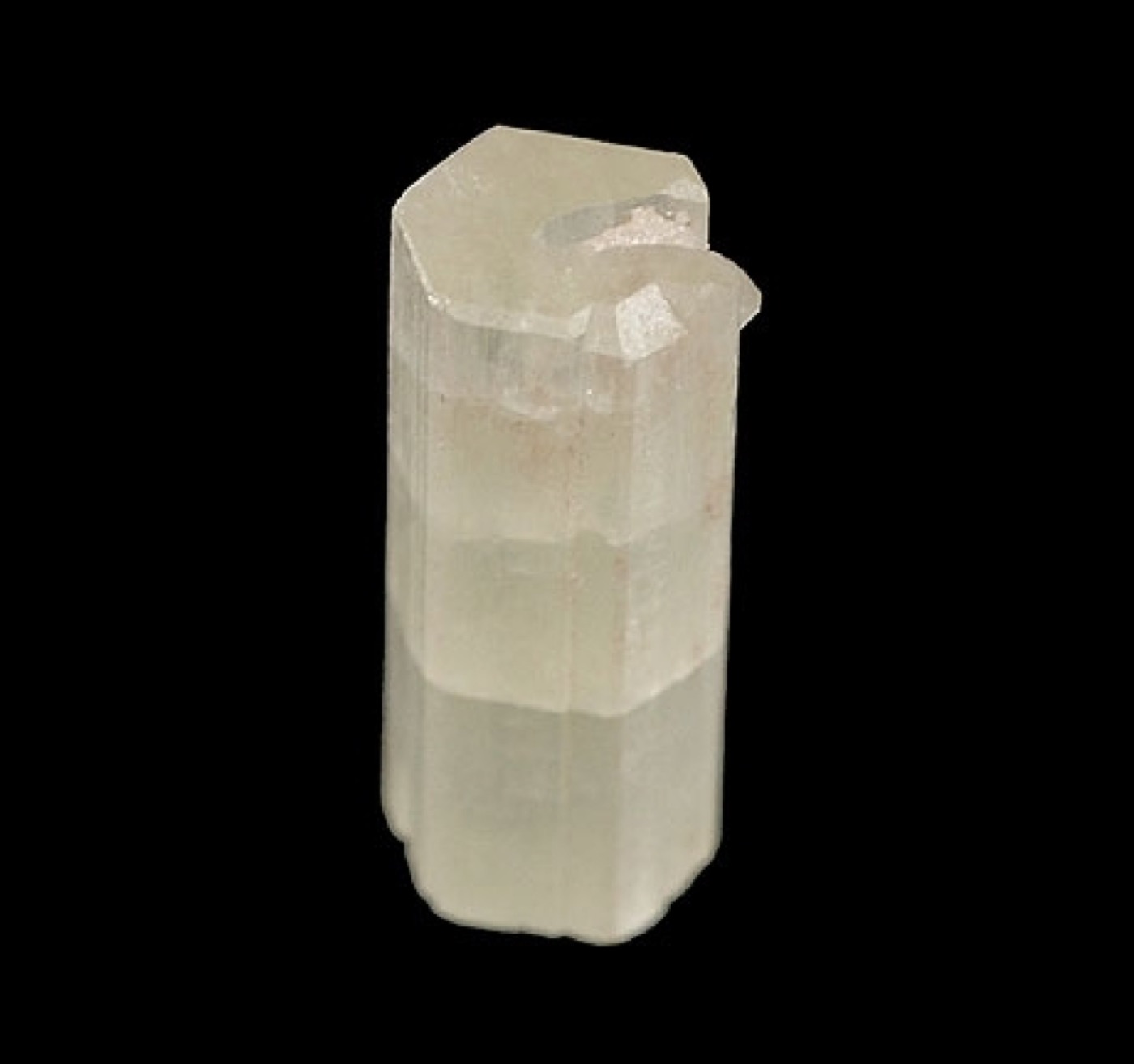
Calcium Hydroxyapatite
Calcium hydroxyapatite, CAS 1306-06-5, unit formula Ca10(PO4)6(OH)2 — the bone-mineral calcium phosphate. Stoichiometric Ca 39.9% and P 18.5% at a 1.67 molar ratio. Synthetic vegan and bovine MCHA grades.
Specifications
| Chemical identity | Calcium hydroxyapatite; IUPAC pentacalcium hydroxide triphosphate. Ca5(PO4)3OH, MW 502.31; unit cell Ca10(PO4)6(OH)2. CAS 1306-06-5. |
| Elemental composition | Stoichiometric calcium 39.9% and phosphorus 18.5%, Ca:P molar ratio 1.67. The Ca:P ratio on the CoA is the check that the article really is hydroxyapatite. |
| Assay basis | Supplement grade is normally controlled to the tribasic calcium phosphate compendia: FCC assays calcium 34.0–40.0%. State the target Ca% and Ca:P ratio in the purchase order. |
| Appearance and solubility | White, odourless, tasteless powder; stable in air. Practically insoluble in water; soluble in dilute hydrochloric and nitric acid. Non-hygroscopic. |
| Synthetic grade origin | Precipitated from calcium and phosphate salts. No animal material: vegan, vegetarian, and straightforward to certify halal and kosher. |
| MCHA grade origin | Microcrystalline hydroxyapatite (MCHA/MCHC) is a bovine whole-bone concentrate — published compositions cite about 26% collagen and 9% non-collagenous protein with the mineral. |
| MCHA co-nutrients | Bovine bone matrix brings magnesium, phosphorus, potassium and zinc plus bone proteins including osteocalcin and type I collagen; ask for the lot-specific mineral profile. |
| Allergen status | Free from milk, egg, soy, gluten, peanut, tree nut, fish and crustacean. MCHA is bovine bone — declare animal origin even though it is not a listed allergen. |
| Dietary status | Synthetic grade: vegan and vegetarian, no animal origin. MCHA grade: bovine, not vegan or vegetarian, and outside some halal and kosher programmes. |
| Animal by-product controls | MCHA only: bone from animals passed fit for human consumption, BSE/TSE country-of-origin certificate and veterinary documentation supplied per consignment. |
| Contaminant controls | Fluoride, arsenic, lead, cadmium and mercury to the limits of the applicable monograph. Fluoride concentrates in bone — insist on it for the MCHA grade. |
| Physical and technical | Milled to the customer's particle size; used as a nutrient calcium and phosphorus source, an anticaking and free-flow agent, and a direct-compression tablet filler. |
| Regulatory fit | EU Dir. 2002/46/EC Annex II lists calcium salts of orthophosphoric acid as a permitted calcium source; confirm your own market's position for whole-bone MCHA. |
| Shelf life, storage | 60 months unopened in a cool dry store, away from acids and moisture. |
| HS code | 28352690 |
Applications
Available grades
Synthetic precipitated hydroxyapatite, vegan, food and supplement grade; microcrystalline hydroxyapatite (MCHA/MCHC) from bovine bone; nano- and micro-milled particle sizes; granulated direct-compression grade; toothpaste and oral-care grade; USP/FCC tribasic calcium phosphate specification available on request.
Related products
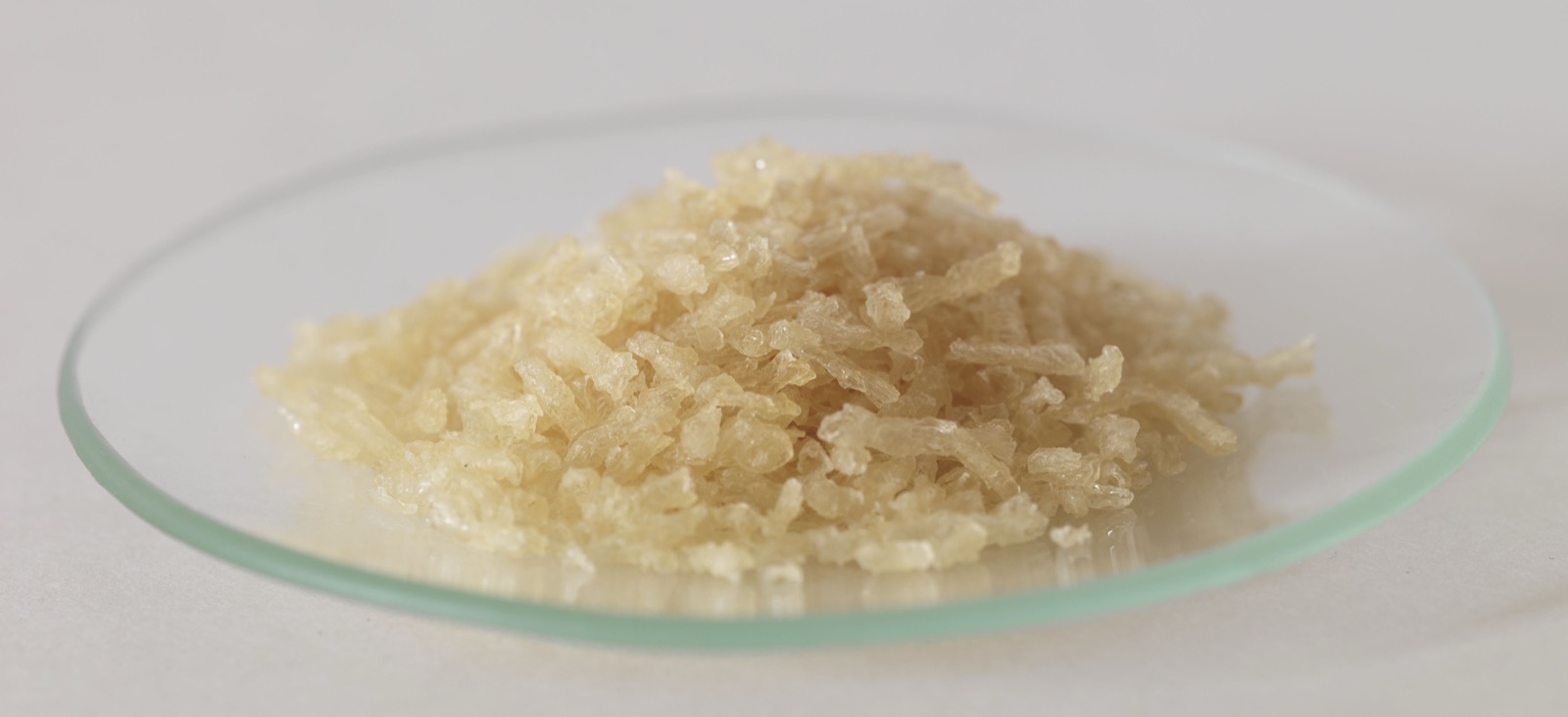
Glucosamine Sulphate (Potassium Chloride Salt)
Stabilised glucosamine sulphate potassium chloride double salt, (C6H14NO5)2SO4·2KCl, assayed 98.0-102.0% to the USP monograph. Shellfish-derived or non-animal fermentation grades, 25 kg drums, ex-India.
Glucosamine Hydrochloride
D-Glucosamine hydrochloride, CAS 66-84-2, USP assay 98.0-102.0% on the dried basis - the highest glucosamine base loading of the common salts at 83.1%. Crustacean or vegan fermentation grades, 25 kg drums.
Chondroitin Sulphate Sodium
Chondroitin sulphate sodium, a sulphated glycosaminoglycan from bovine, porcine, avian or marine cartilage. USP assay 90.0-105.0% on the dried basis with electrophoretic purity checked. 25 kg drums, ex-India.