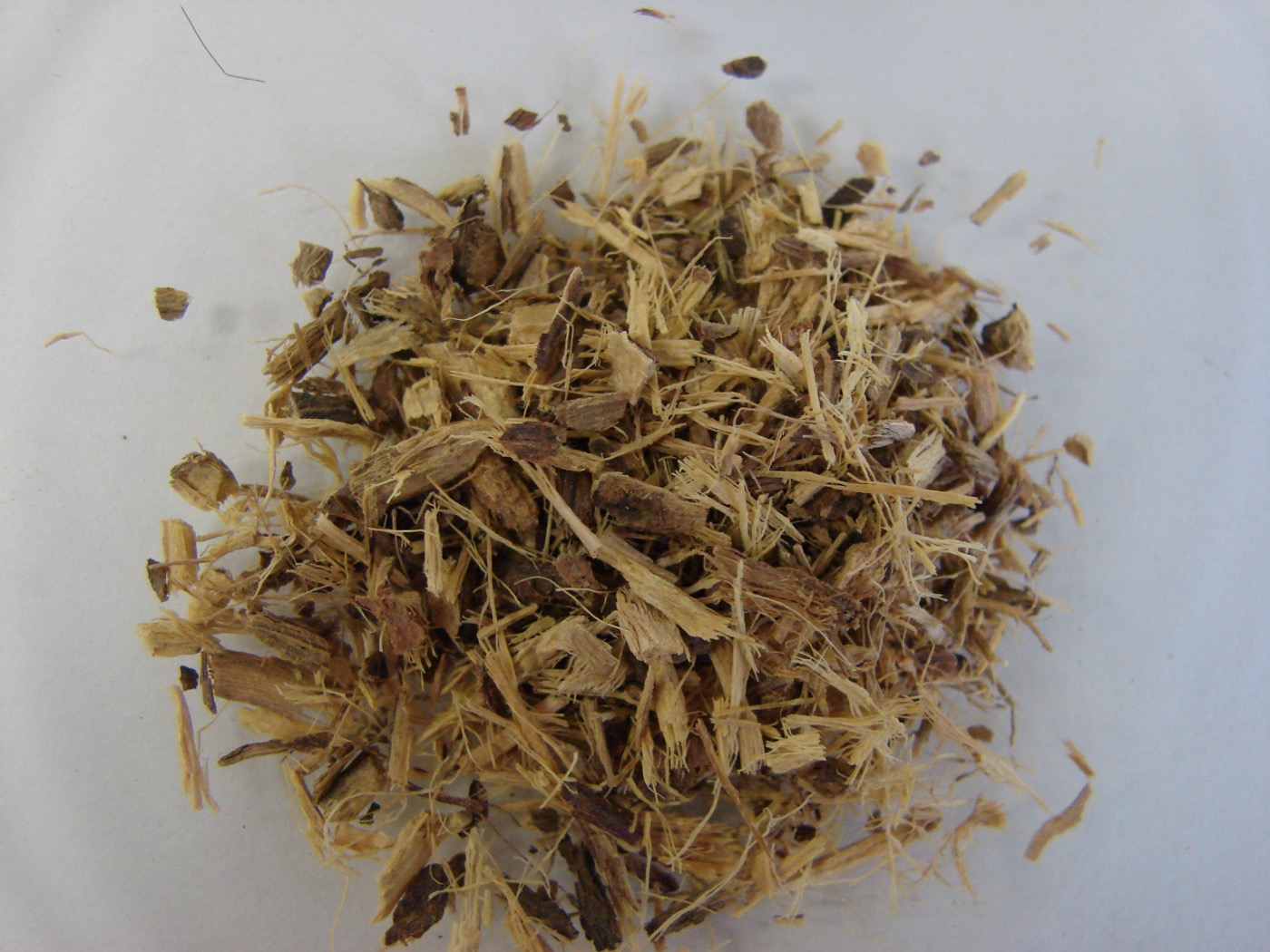
Deglycyrrhizinated licorice (DGL)
Licorice root extract with glycyrrhizin selectively removed to not more than 3 percent by HPLC, retaining the flavonoid and polysaccharide fraction. Water-extracted, 40 mesh, brown free-flowing powder.
Specifications
| Botanical source | Glycyrrhiza glabra L., family Fabaceae; dried root. Country of origin of the finished extract: India. Root origin stated per lot. |
| Active assay | Glycyrrhizin NMT 3.0% by HPLC (standard grade); typical batch result 2.3-2.4%. Lower grades at NMT 1.0% and NMT 0.5% available. |
| Retained constituents | Licorice flavonoid fraction (liquiritin, liquiritigenin, isoliquiritigenin) and water-soluble polysaccharides are preserved through deglycyrrhizination. |
| Process | Aqueous extraction, then acid precipitation of glycyrrhizin at pH 2.0-3.0 and 40-52 degrees C, centrifugal separation, neutralisation, vacuum concentration and drying. |
| Appearance and organoleptics | Brown free-flowing powder. Characteristic licorice odour and flavour. Identity: Pass by FTIR. |
| Extraction solvent | Water. No Class 1 solvents used. Solvent declared on the certificate of analysis for every lot. |
| Solubility and pH | Solubility in water NLT 90% (USP <561>). pH 5-7 in 1% aqueous solution (USP <791>). |
| Density | Bulk density 0.40-0.80 g/mL; tap density 0.50-0.90 g/mL (USP <616>). Compresses well for chewable and direct-compression tablets. |
| Particle size, LOD, ash | 100% passes through 40 mesh (USP <786>); loss on drying NMT 6.0% (USP <731>); total ash NMT 6.0% (USP <561>). |
| Heavy metals | Total heavy metals NMT 10 ppm; lead NMT 1 ppm; arsenic NMT 1 ppm; cadmium NMT 1 ppm; mercury NMT 0.1 ppm, by ICP-MS or AAS. |
| Microbiology | Total plate count NMT 5,000 cfu/g; yeast and mould NMT 100 cfu/g; Salmonella, E. coli and S. aureus absent in 10 g (USP <2021>/<2022>). |
| Allergen and diet status | Vegan and vegetarian. Fabaceae by botany but not soy or peanut, so not declarable under EU FIC Annex II or US FALCPA. No milk, egg, fish, crustacean, gluten or nut. |
| Regulatory headroom | Reduced glycyrrhizin gives more headroom against EU FIC 1169/2011 Annex III liquorice labelling thresholds, the EU SCF 100 mg/day figure and 21 CFR 184.1408 category caps. |
| Shelf life and storage | 24 months from manufacture in unopened original packing. Store below 25 degrees C, dry, away from direct sunlight and strong odours. |
| HS code | 1302.12 (13021200) |
Applications
Available grades
Standard grade glycyrrhizin NMT 3.0% by HPLC. Low-glycyrrhizin grades NMT 1.0% and NMT 0.5%. Granulated and direct-compression grades for chewable tablets. Conventional and certified organic (NPOP, NOP, EU). Kosher and Halal certification available. Food and nutraceutical grade.
Related products
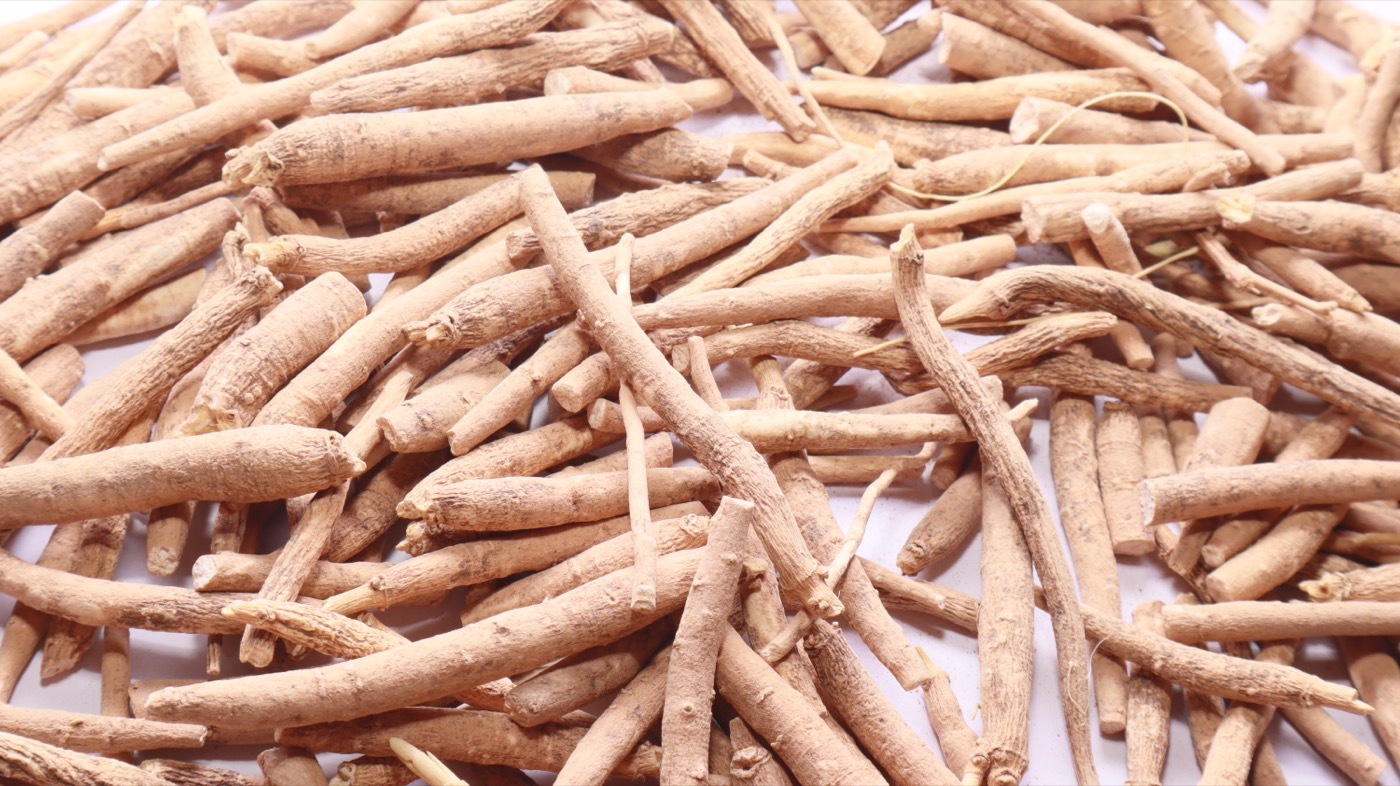
Ashwagandha Extract (Withania somnifera)
Hydro-alcoholic root extract of Withania somnifera standardised to 1.5–10% total withanolides by HPLC. Root-only material, vegan, bulk 25 kg export packing from India with batch COA.
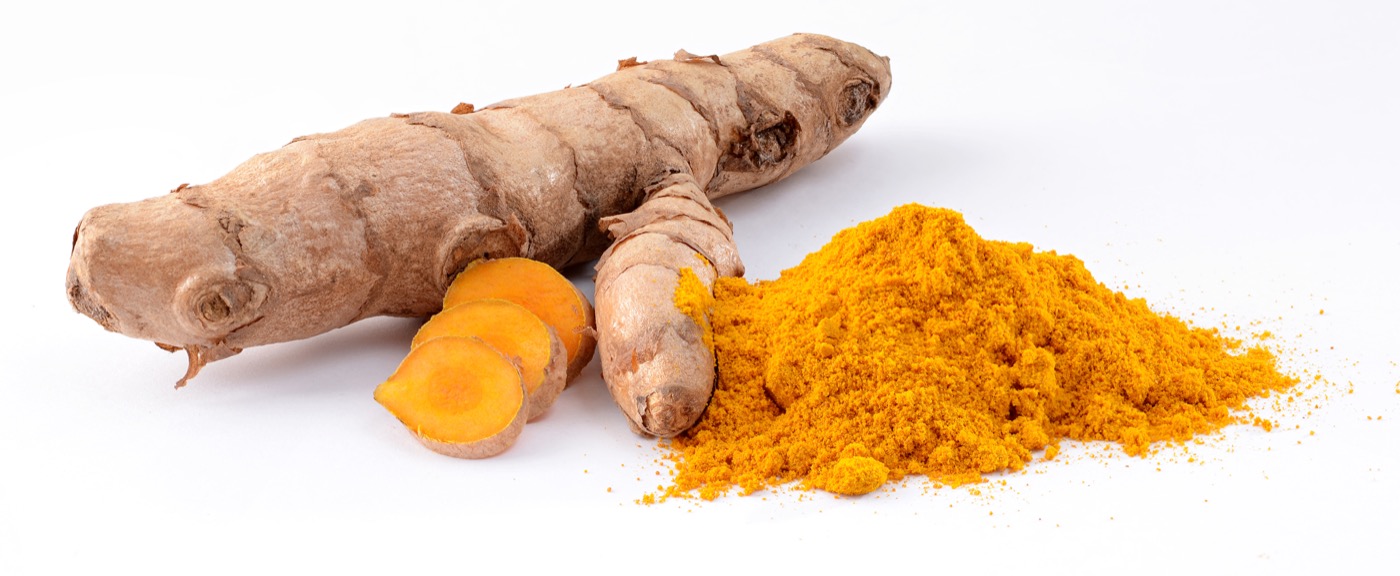
Turmeric Extract / Curcumin 95%
Purified Curcuma longa rhizome extract assaying NLT 95% total curcuminoids by HPLC, in USP curcumin / desmethoxy / bisdesmethoxy proportions. Orange-yellow crystalline powder, vegan.
Turmeric / Curcumin Extract
Standardized curcumin extract (up to 95% curcuminoids) for high-potency anti-inflammatory supplements.