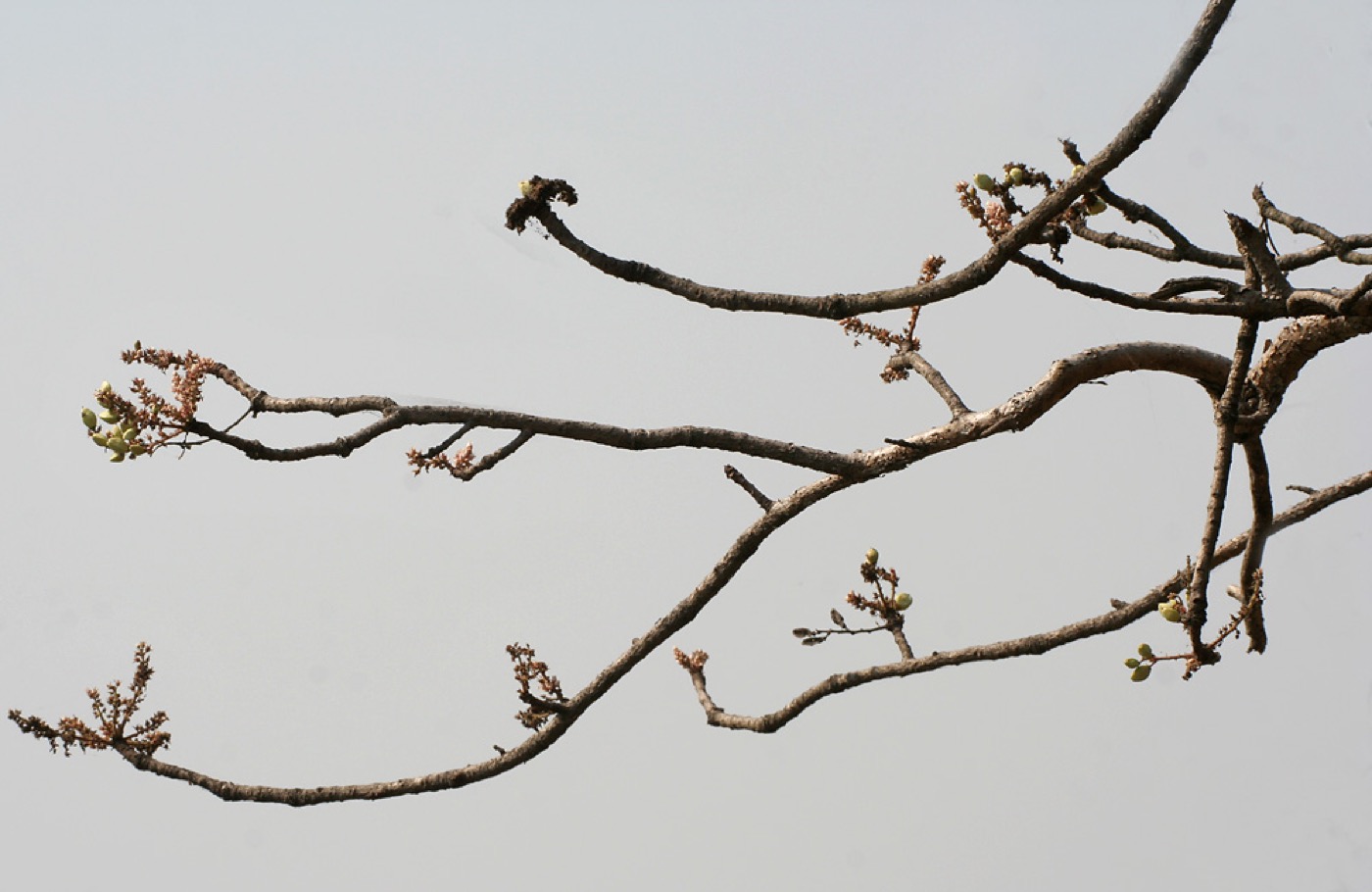
Boswellia Serrata Extract
Oleo-gum-resin extract of Boswellia serrata standardised to 65–85% total boswellic acids by titrimetry, with AKBA-enriched HPLC grades to 30%. Vegan, 25 kg export packing from India.
Specifications
| Botanical identity | Boswellia serrata Roxb. ex Colebr., Fam. Burseraceae. Indian frankincense, salai guggul; Ayurvedic Pharmacopoeia name Kunduru, Sanskrit Śallakī |
| Plant part | Oleo-gum-resin exudate tapped from the trunk. Resin fraction solvent-extracted; gum sugars and most volatile oil removed |
| Standardisation | Total boswellic acids 65%, 70%, 75% or 85% by titrimetry; equivalent material typically assays 30–40% total boswellic acids by HPLC |
| Method note | Titrimetric and HPLC figures are not interchangeable. A 65% titrimetric extract is not a 65% HPLC extract. State the method and reference standard on the purchase order |
| Marker compounds | AKBA, 3-O-acetyl-11-keto-β-boswellic acid, CAS 67416-61-9; KBA CAS 17019-92-0; β-boswellic acid CAS 631-69-6; plus acetyl-α and acetyl-β homologues |
| AKBA grades | Approximately 2–3% AKBA in a conventional 65% titrimetric extract; enriched grades at 10%, 20% and 30% AKBA by HPLC produced by further fractionation |
| Appearance and mesh | Off-white to pale brown or light yellow-brown fine powder with characteristic balsamic resinous odour. 100% passing 80 mesh typical |
| Solubility | Practically insoluble in water; soluble in ethanol, methanol and DMSO. Water-dispersible grades supplied as a separate article |
| Extraction process | Ethanol or ethyl acetate extraction of the gum resin, aqueous alkali partition and acid precipitation of the triterpene acids, then vacuum drying |
| Loss on drying and ash | Loss on drying NMT 5.0%; total ash NMT 2.0%; residual solvent within ICH Q3C / USP <467> Class 3 limits |
| Contaminant limits | Lead NMT 3 ppm, arsenic NMT 1 ppm, cadmium NMT 1 ppm, mercury NMT 0.1 ppm; pesticide residues to EU limits; aflatoxin B1 NMT 2 ppb, total NMT 4 ppb |
| Microbiology | Total plate count NMT 10,000 cfu/g; yeast and mould NMT 500 cfu/g; E. coli, Salmonella and S. aureus absent |
| Allergen and diet status | Vegan and vegetarian. Free of milk, egg, soy, fish, crustacean, mollusc, peanut, tree nut, sesame, mustard, celery, lupin and gluten. Non-GMO; halal and kosher certifiable |
| Shelf life, storage | 36 months in sealed original packing below 25 °C, dry and away from direct light. |
| HS code | 13021919 |
Applications
Available grades
Total boswellic acids 65%, 70%, 75% and 85% by titrimetry; 30% and 40% total boswellic acids by HPLC; AKBA-enriched grades at 10%, 20% and 30% AKBA by HPLC; low-polarity gum-resin fractions; water-dispersible and granulated direct-compression grades; organic-certified (NOP/EU) extract subject to certified collection area availability.
Related products
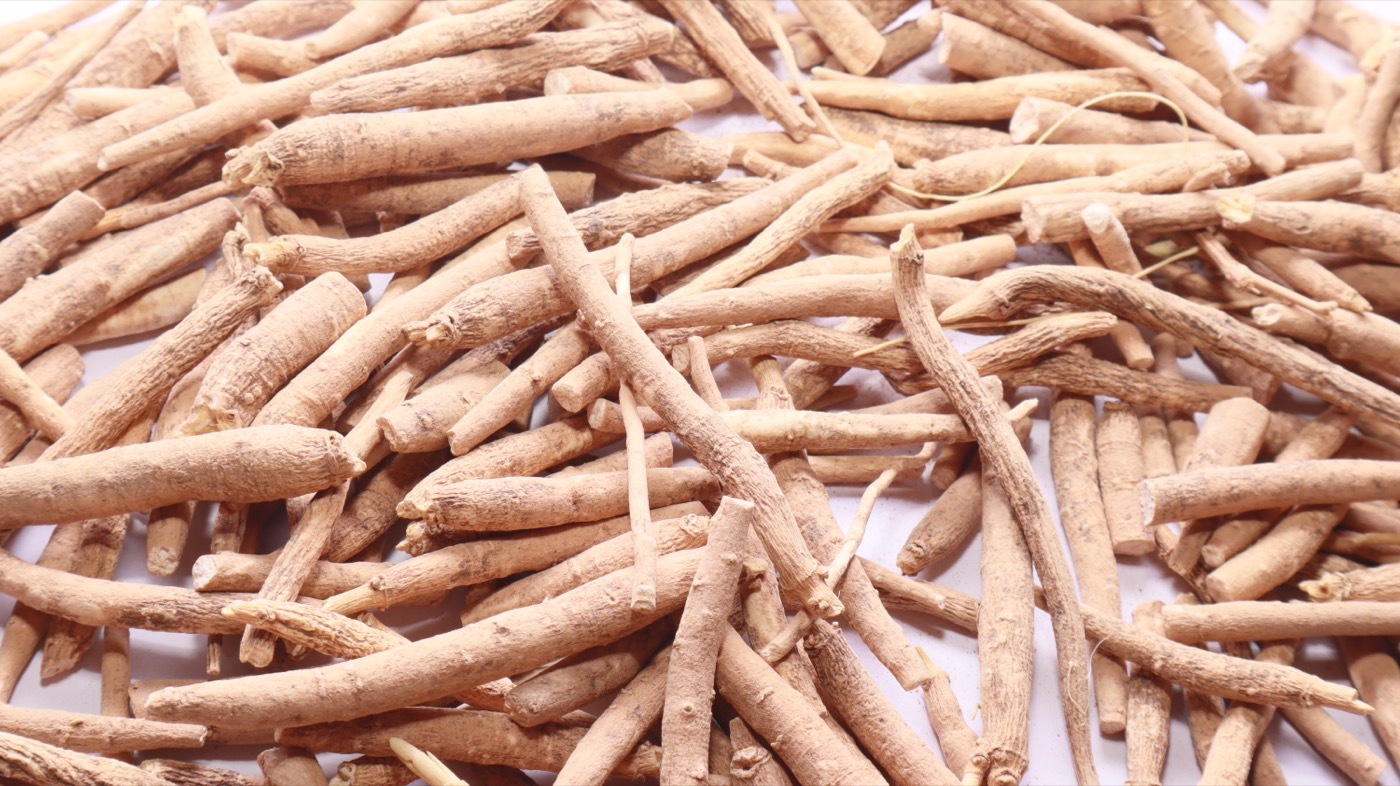
Ashwagandha Extract (Withania somnifera)
Hydro-alcoholic root extract of Withania somnifera standardised to 1.5–10% total withanolides by HPLC. Root-only material, vegan, bulk 25 kg export packing from India with batch COA.
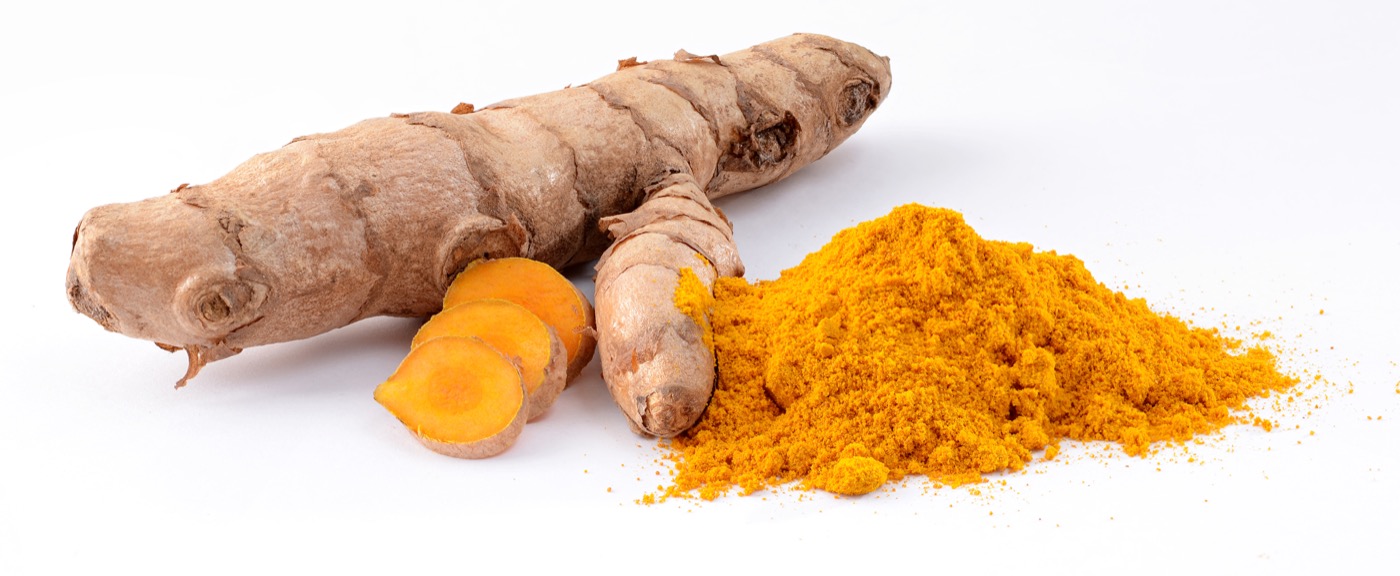
Turmeric Extract / Curcumin 95%
Purified Curcuma longa rhizome extract assaying NLT 95% total curcuminoids by HPLC, in USP curcumin / desmethoxy / bisdesmethoxy proportions. Orange-yellow crystalline powder, vegan.
Turmeric / Curcumin Extract
Standardized curcumin extract (up to 95% curcuminoids) for high-potency anti-inflammatory supplements.