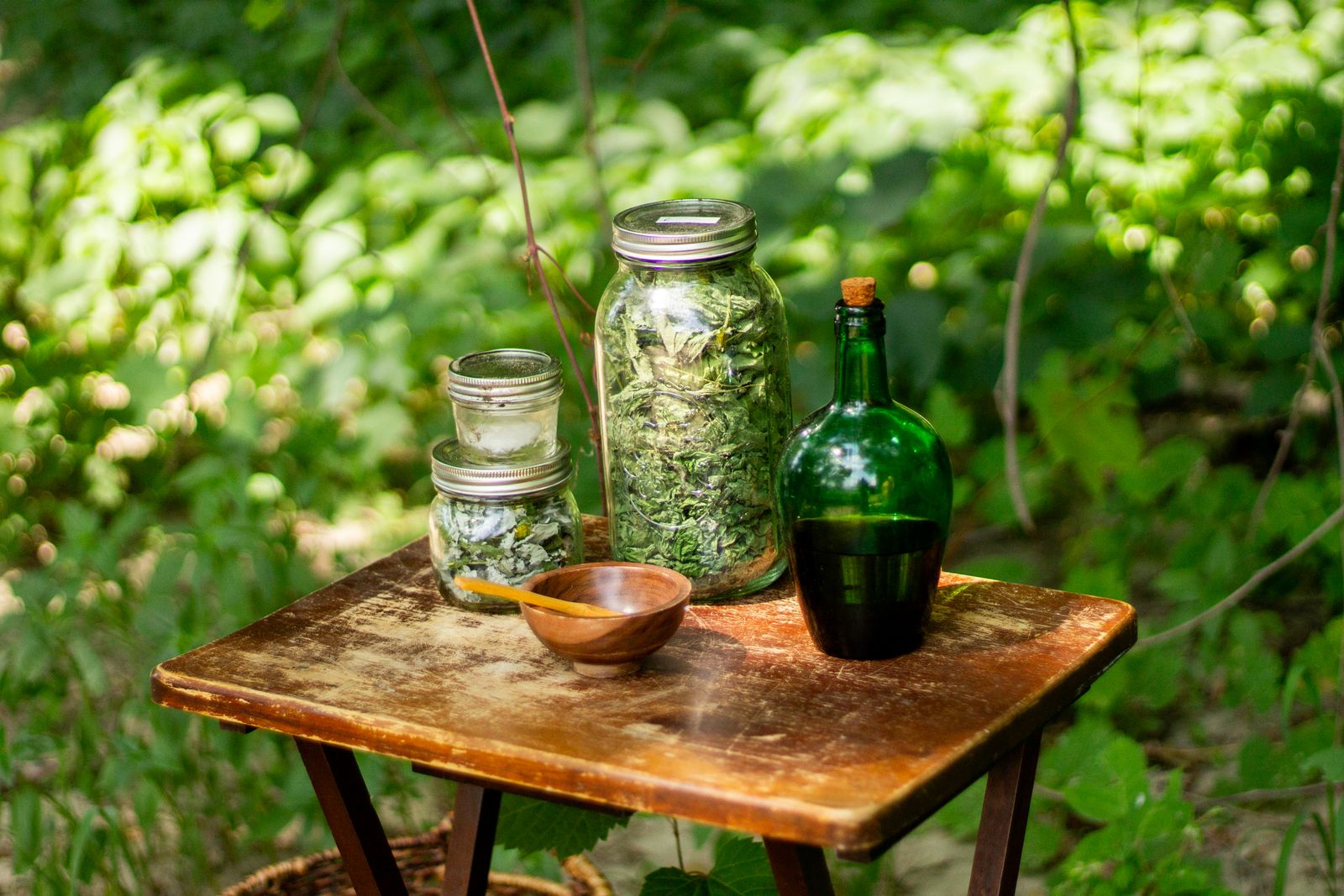
Cranberry Extract (PACs)
American cranberry fruit extract standardised on A-type proanthocyanidins by the DMAC method, AOAC 2019.06, with A-type identity confirmation. Vegan, declared peanut-free, 25 kg drums.
Specifications
| Botanical identity | Vaccinium macrocarpon Aiton, family Ericaceae, the American or large cranberry. Distinct from V. oxycoccos (small cranberry) and V. vitis-idaea (lingonberry). |
| Part used and origin | Whole fruit or juice press residue. Grown in North America (Wisconsin, Massachusetts, Quebec, British Columbia) and Chile; not an Indian crop. Origin chain documented. |
| Standardisation | Proanthocyanidins (PACs) by DMAC, offered across roughly 10% to 60%, with 15% and 25% the volume grades. Juice powders carry only a small fraction of this. |
| Assay method and standard | Reported by the DMAC colorimetric assay per AOAC Official Method 2019.06, stating whether procyanidin A2 or cranberry c-PAC was the calibration standard. The two differ. |
| Method caution | Folin and generic UV polyphenol figures are not PAC values and read much higher. A bare percentage without a named method and standard is not comparable between suppliers. |
| Serving arithmetic | 36 mg PAC per daily serving is the reference figure the trade formulates to: 240 mg of a 15% PAC extract, or 144 mg of a 25% PAC extract, by DMAC. |
| A-type identity | Cranberry PACs are predominantly A-type interflavan linked. A-type character confirmed by MALDI-TOF MS along the lines of AOAC First Action Method 2019.05. |
| Adulteration and allergen risk | Grape seed (B-type) and peanut skin (A-type, peanut allergen) are documented PAC adulterants. Every lot is profiled and the material is declared peanut-free. |
| Market authenticity context | Published surveys found about 24% of commercial extracts and 60% of finished supplements differing from authentic fruit, including Morus nigra and hibiscus adulteration. |
| Secondary markers | Cranberry anthocyanin pattern of cyanidin and peonidin galactosides and arabinosides reported on request; organic acid profile supports authenticity. |
| Regulatory reference | US GRAS notice GRN 873, cranberry extract powder, received an FDA no-questions letter for beverages and RTD coffee at 150 mg per 8 oz serving. |
| Appearance and solubility | Deep red to reddish-brown free-flowing powder with a tart berry odour. Water-soluble; colour and stability both favour acidic systems. |
| Allergen and dietary status | Vegan and vegetarian; no bovine, porcine, marine or insect material. Free of all FDA 9 and EU 14 allergens; peanut-free status verified, not merely attested. |
| Shelf life, storage | 24 months unopened, extendable to 36 on validated grades. Store below 25 C, RH under 60%, sealed and dark. |
| HS code | 1302 19 19 for the extract |
Applications
Available grades
PAC-standardised extract by DMAC across roughly 10% to 60%, with 15% and 25% the volume grades and higher assays to order. Native whole-fruit concentrates supplied to an agreed drug-to-extract ratio, declared per lot. Spray-dried cranberry juice powder on a named carrier, which is a juice preparation and not a PAC-standardised extract. Water-dispersible spray-dried grade on maize maltodextrin or gum acacia for beverage work, and a carrier-free grade for tablet and capsule work. Organic (NPOP/NOP/EU) lots where the origin certification chain supports it; kosher and halal certification available. Grades differ in PAC content by more than an order of magnitude and are not interchangeable; reformulating between them requires re-qualification and a recalculated serving size.
Related products
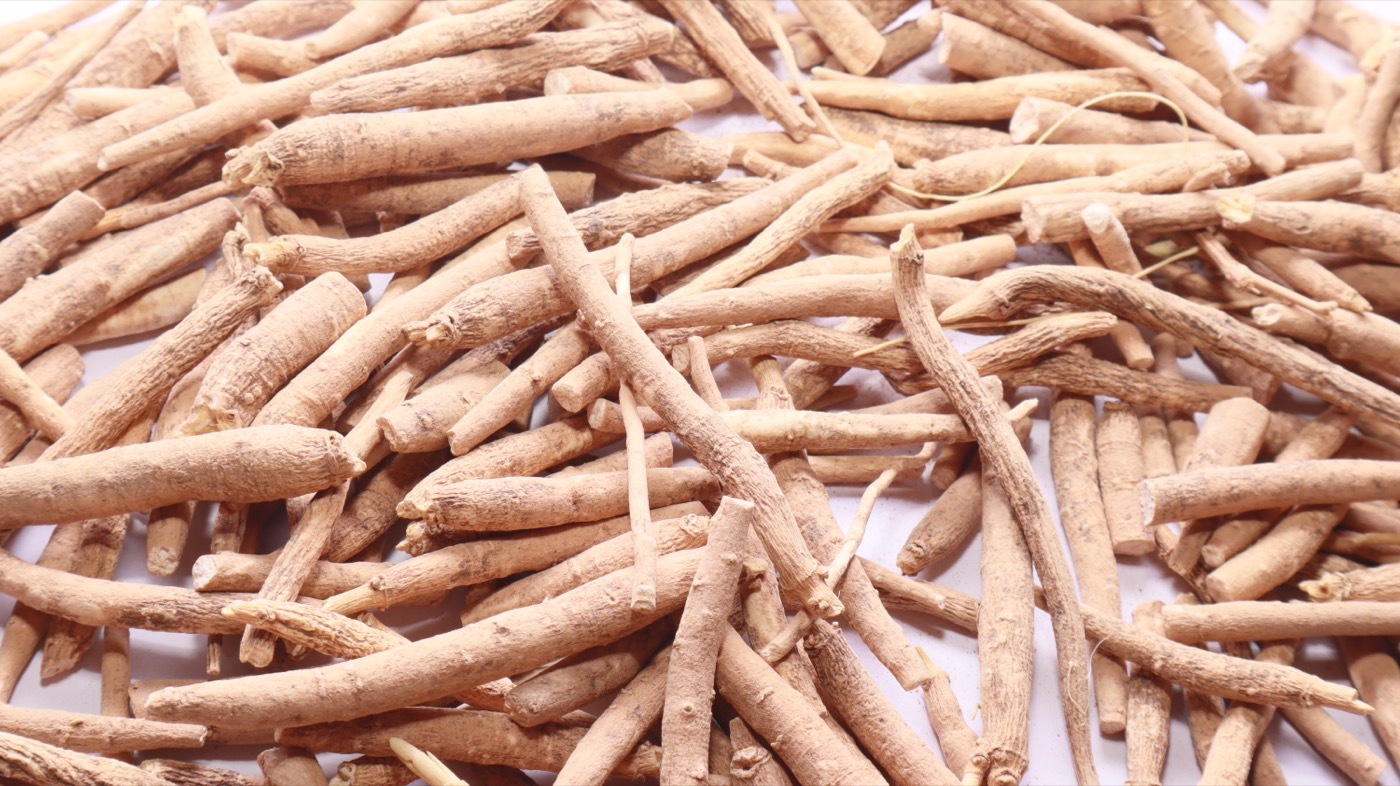
Ashwagandha Extract (Withania somnifera)
Hydro-alcoholic root extract of Withania somnifera standardised to 1.5–10% total withanolides by HPLC. Root-only material, vegan, bulk 25 kg export packing from India with batch COA.
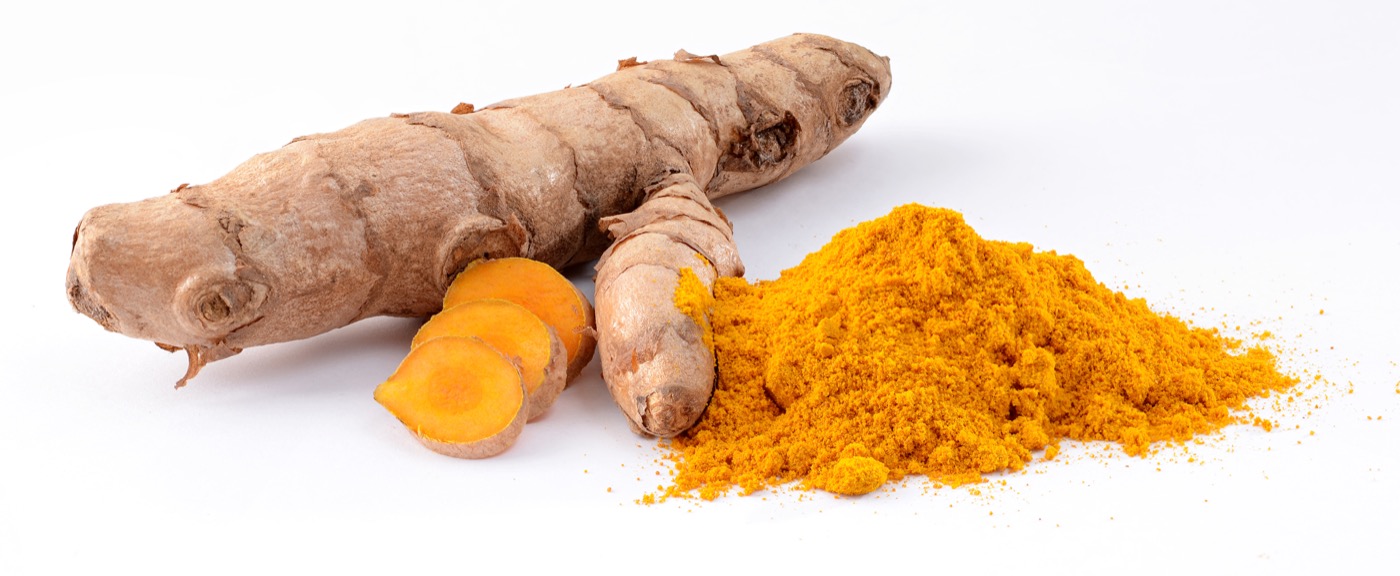
Turmeric Extract / Curcumin 95%
Purified Curcuma longa rhizome extract assaying NLT 95% total curcuminoids by HPLC, in USP curcumin / desmethoxy / bisdesmethoxy proportions. Orange-yellow crystalline powder, vegan.
Turmeric / Curcumin Extract
Standardized curcumin extract (up to 95% curcuminoids) for high-potency anti-inflammatory supplements.