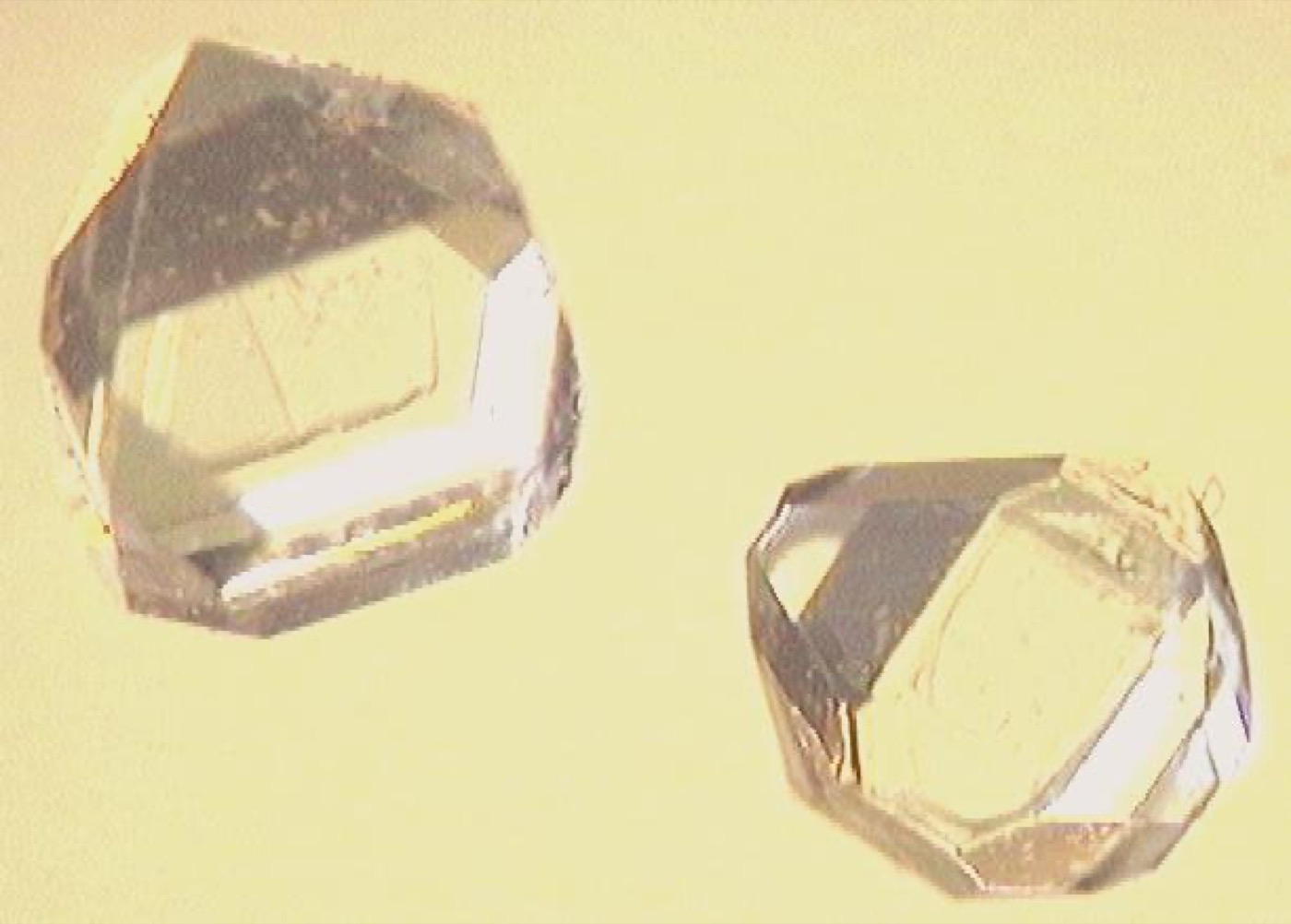
Xylitol
Five-carbon sugar alcohol, food additive E967, assaying not less than 98.5% on the anhydrous basis. Sweetness equal to sucrose at 2.4 kcal/g, strong cooling effect, nickel controlled below 2 mg/kg.
Specifications
| Chemical name | D-Xylitol (pentane-1,2,3,4,5-pentol); pentahydric sugar alcohol (polyol) |
| CAS number | 87-99-0 |
| Molecular formula / weight | C5H12O5 / 152.15 g per mol |
| Food additive number | E967 (INS 967) |
| Appearance | White crystalline granules or powder, odourless, intensely sweet with a marked cooling sensation |
| Assay | Not less than 98.5% xylitol on the anhydrous basis per the EU purity criteria for E967; Ph. Eur. and USP-NF xylitol monographs apply to pharmacopoeial grade |
| Purity limits | Loss on drying NMT 0.5%; sulphated ash NMT 0.1%; reducing sugars NMT 0.2% as glucose; other polyhydric alcohols NMT 1%; chlorides NMT 100 mg/kg; sulphates NMT 200 mg/kg (dry basis) |
| Catalyst residue and metals | Nickel NMT 2 mg/kg from the hydrogenation catalyst; lead NMT 1 mg/kg; arsenic NMT 3 mg/kg; heavy metals NMT 10 mg/kg as Pb, all on dry weight basis |
| Sweetness and energy | Sweetness equal to sucrose (relative sweetness 1.0); 2.4 kcal/g under EU Regulation 1169/2011; glycaemic index about 7 where glucose is 100 |
| Solubility and thermal behaviour | About 168 g per 100 g water; melting point 92-96 C; strongly endothermic dissolution giving the most pronounced cooling note among the common polyols |
| Manufacture | Xylan from hardwood (birch) or agri-residue such as corn cobs is hydrolysed to xylose, then catalytically hydrogenated over Raney nickel and crystallised |
| Origin and allergens | Vegan, non-animal, plant or wood derived; free of milk, egg, soy, fish, crustacean, nut and gluten sources; birch-derived material carries no tree-nut allergen status |
| Pet safety warning | Toxic to dogs from about 100 mg per kg body weight (insulin release and hypoglycaemia); exclude from pet food and pet treats and label finished goods accordingly |
| Shelf life, storage | 24 months unopened; store below 25 C under 65% RH in sealed liners as the material is hygroscopic. |
| HS code | 29054900 |
Applications
Available grades
Food grade to the E967 purity criteria in regular crystalline, fine crystalline and milled powder cuts to an agreed particle size distribution; a granulated directly compressible grade for lozenges and chewable tablets; and pharmacopoeial grade meeting the Ph. Eur. and USP-NF xylitol monographs for oral-care, syrup and excipient use. Corn-cob and hardwood xylan feedstocks, declared per lot; non-GMO, kosher and halal certificates supplied where the producing site holds them.
Related products
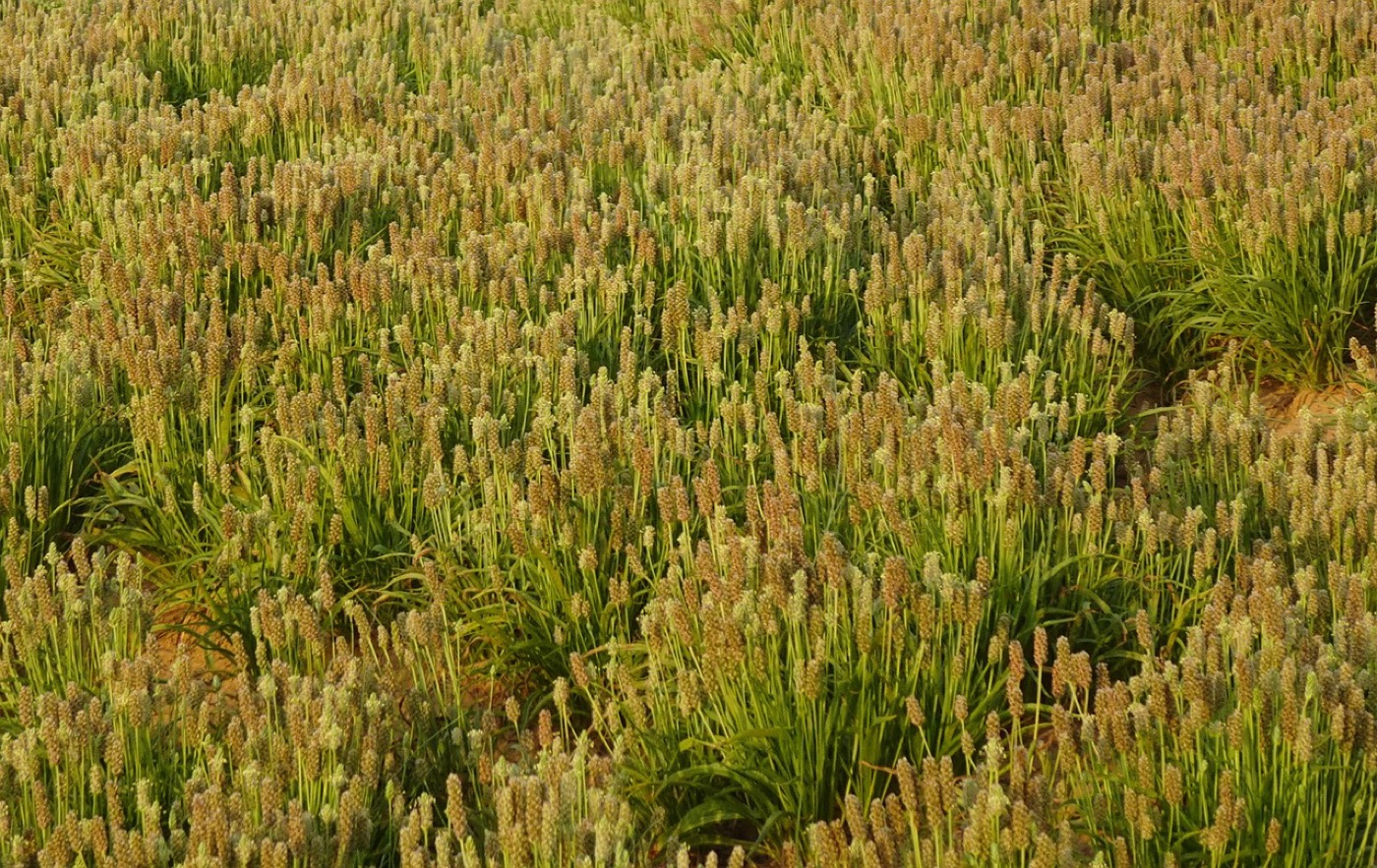
Psyllium husk (Isabgol)
Plantago ovata seed husk from north Gujarat, graded 85% to 99% USP on light extraneous matter, swell volume 40 mL/g minimum. Whole flakes at 40 mesh or milled to 60-200 mesh. Vegan and tested gluten-free.
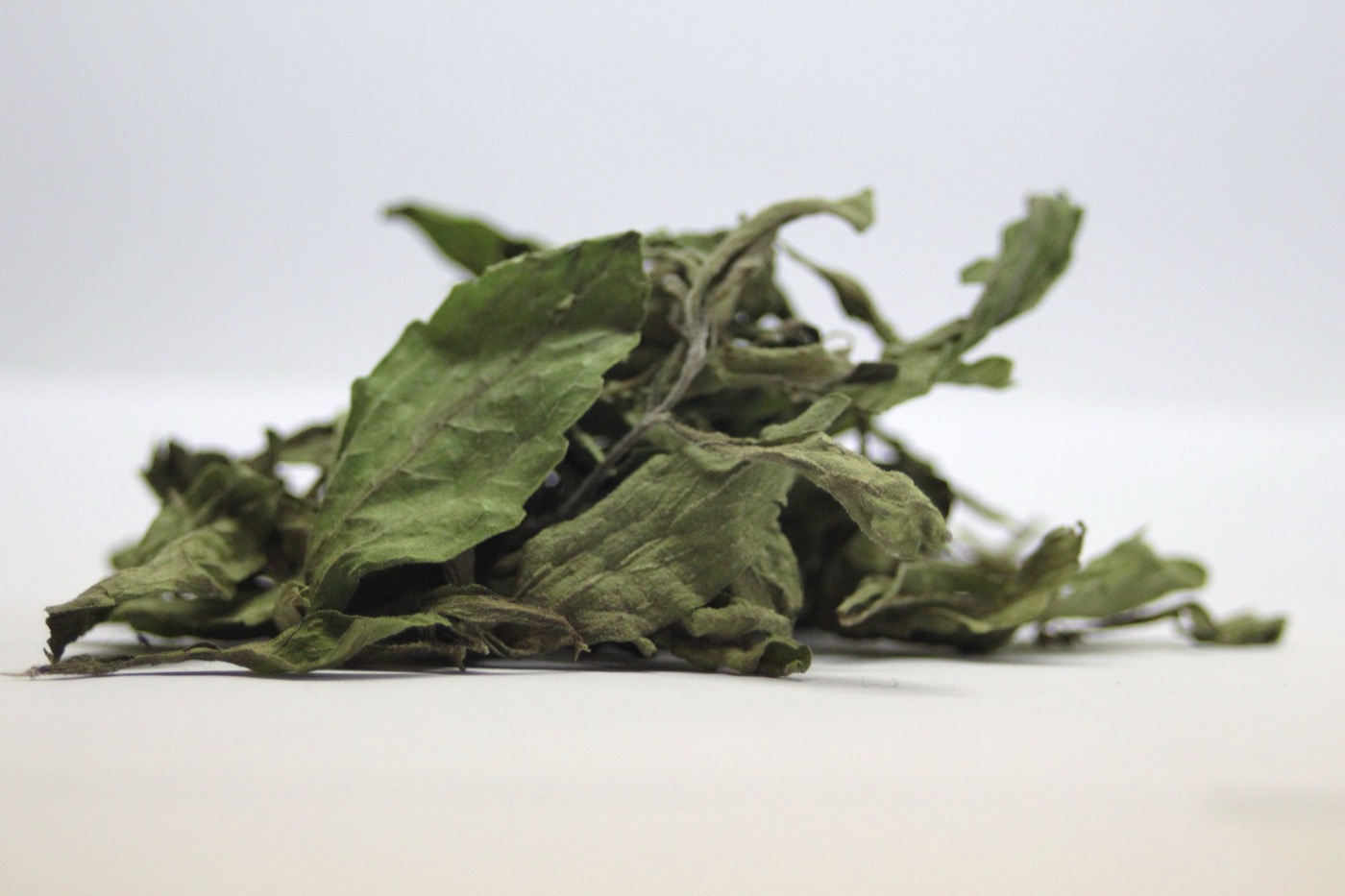
Stevia sweetener (table-top)
Steviol glycosides at 95% minimum blended with a bulking agent to a stated sucrose equivalence, supplied as bulk powder, stick packs and sachets, or compressed tablets. Vegan, with no declarable allergens.
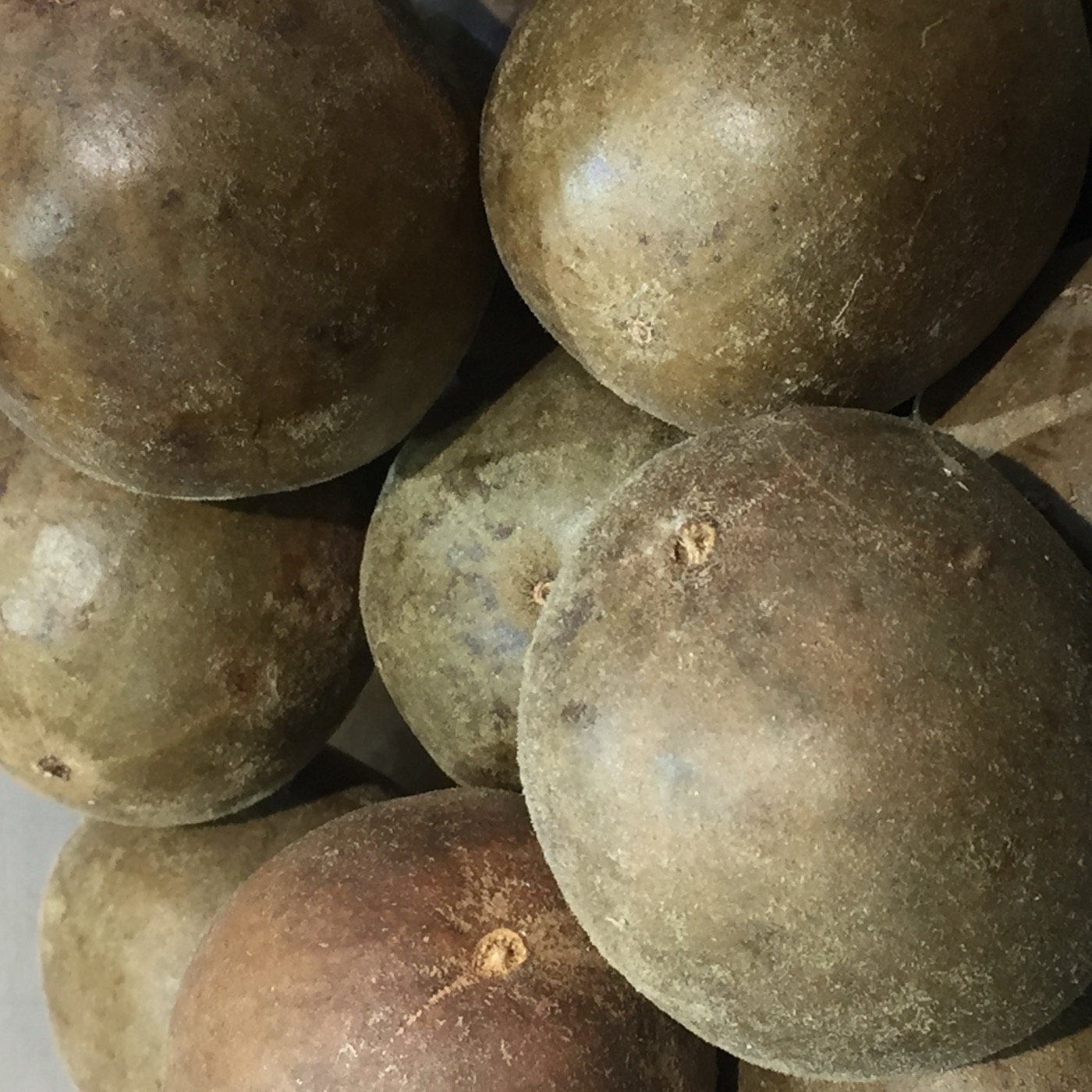
Monk fruit sweetener
Siraitia grosvenorii fruit extract standardised to mogroside V at 25%, 40% or 50% by HPLC. Water-soluble, heat and acid stable, non-nutritive. Chinese-origin fruit, vegan, no declarable allergens.