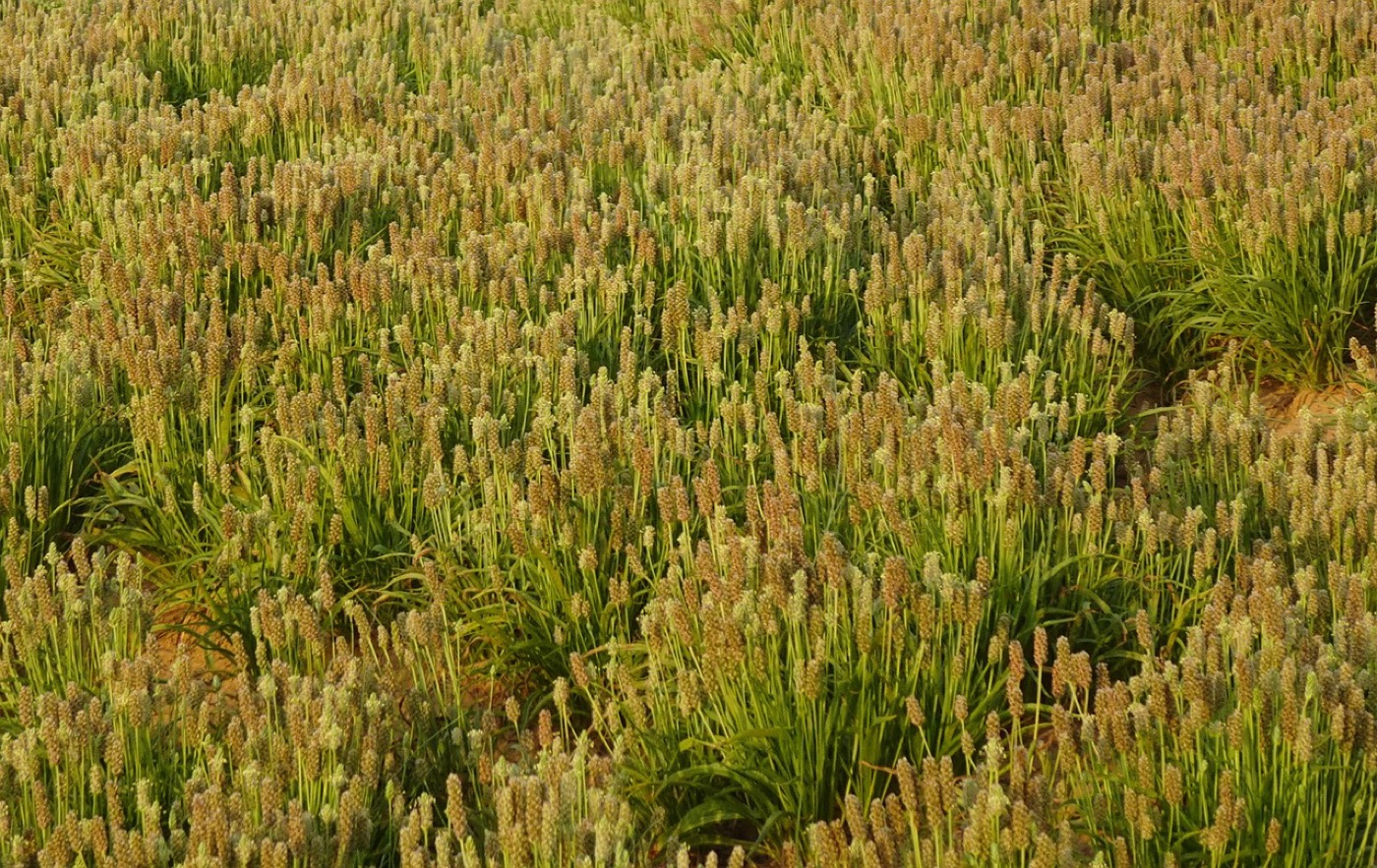
Psyllium husk (Isabgol)
Plantago ovata seed husk from north Gujarat, graded 85% to 99% USP on light extraneous matter, swell volume 40 mL/g minimum. Whole flakes at 40 mesh or milled to 60-200 mesh. Vegan and tested gluten-free.
Specifications
| Botanical identity | Plantago ovata Forssk. (ispaghula, isabgol), Plantaginaceae. The husk is the episperm and collapsed adjacent layers removed from the seed, per Ph. Eur. 'Ispaghula husk'. |
| Purity grading | Graded by light extraneous matter (USP), not by assay: 99% grade = 1% max, 98% = 2%, 95% = 5%, 85% = 15%. Purity and extraneous matter are two readings of one number. |
| Swell volume | Minimum 40 mL per gram by USP method; Ph. Eur. sets a swelling index of not less than 40 for ispaghula husk. This is the functional spec to hold the lot to. |
| Appearance and particle size | Pale to medium buff powder with a faint pinkish tinge and weak odour. Whole husk flakes at 40 mesh; powders at 60, 80, 100 and 200 mesh, minimum 95% through the screen. |
| Hydration behaviour | Insoluble in water and in ethanol; hydrates rapidly into a stiff, non-dissolving mucilage. Gel-forming arabinoxylan fraction reported at up to about 30% of the husk. |
| Moisture and ash | Loss on drying maximum 12.0%; total ash maximum 4.0%; acid-insoluble ash maximum 1.0%. USP methods; Ph. Eur. sets the same 12% and 4.0% limits for ispaghula husk. |
| Foreign and extraneous matter | Foreign matter maximum 2.0% (USP). Insect fragments maximum 100 parts per 25 g; live or dead insects, eggs, larvae, psocids and mites absent. |
| Heavy metals and residues | Heavy metals as lead maximum 3 mg/kg by USP method; arsenic, cadmium and mercury to buyer limits; pesticide residues screened against destination-market MRLs. |
| Microbiology and sterilisation | TPC max 100,000 cfu/g; yeast and mould max 10,000 cfu/g; E. coli absent/g; Salmonella absent/25 g. Ethylene oxide never used; steam-treated low-count grade available. |
| Allergen status | No milk, egg, fish, crustacean, mollusc, soy, peanut, tree nut, sesame, celery, mustard, lupin or sulphite input at any stage of growing, milling or packing. |
| Gluten control | Naturally gluten-free but field-rotated with wheat and handled on shared equipment. Gluten-free lots released on R5 ELISA below 20 mg/kg, per Codex and EU Reg. 828/2014. |
| Origin status | Vegan and vegetarian, wholly plant-derived. No bovine, porcine or marine input; non-GMO. Seed and milling origin India, chiefly north Gujarat and Rajasthan. |
| Shelf life and storage | 18 to 24 months unopened from manufacture, in original packing, ambient, out of direct sunlight. Hygroscopic — keep sealed and dispense under humidity control. |
| HS code | India ITC-HS 1211 90 32 (12119032), psyllium under bark, husk and rind; nil basic duty and nil GST. See the classification note below. |
Applications
Available grades
Purity grades 85%, 95%, 98% and 99% USP, priced against light extraneous matter. Whole husk at 40 mesh; husk powder at 60, 80, 100 and 200 mesh. Psyllium seed and seed powder quoted separately as a different tariff item. Organic-certified grades under NOP and EU organic; steam-sterilised low-count grade; kosher and halal certification on request.
Related products
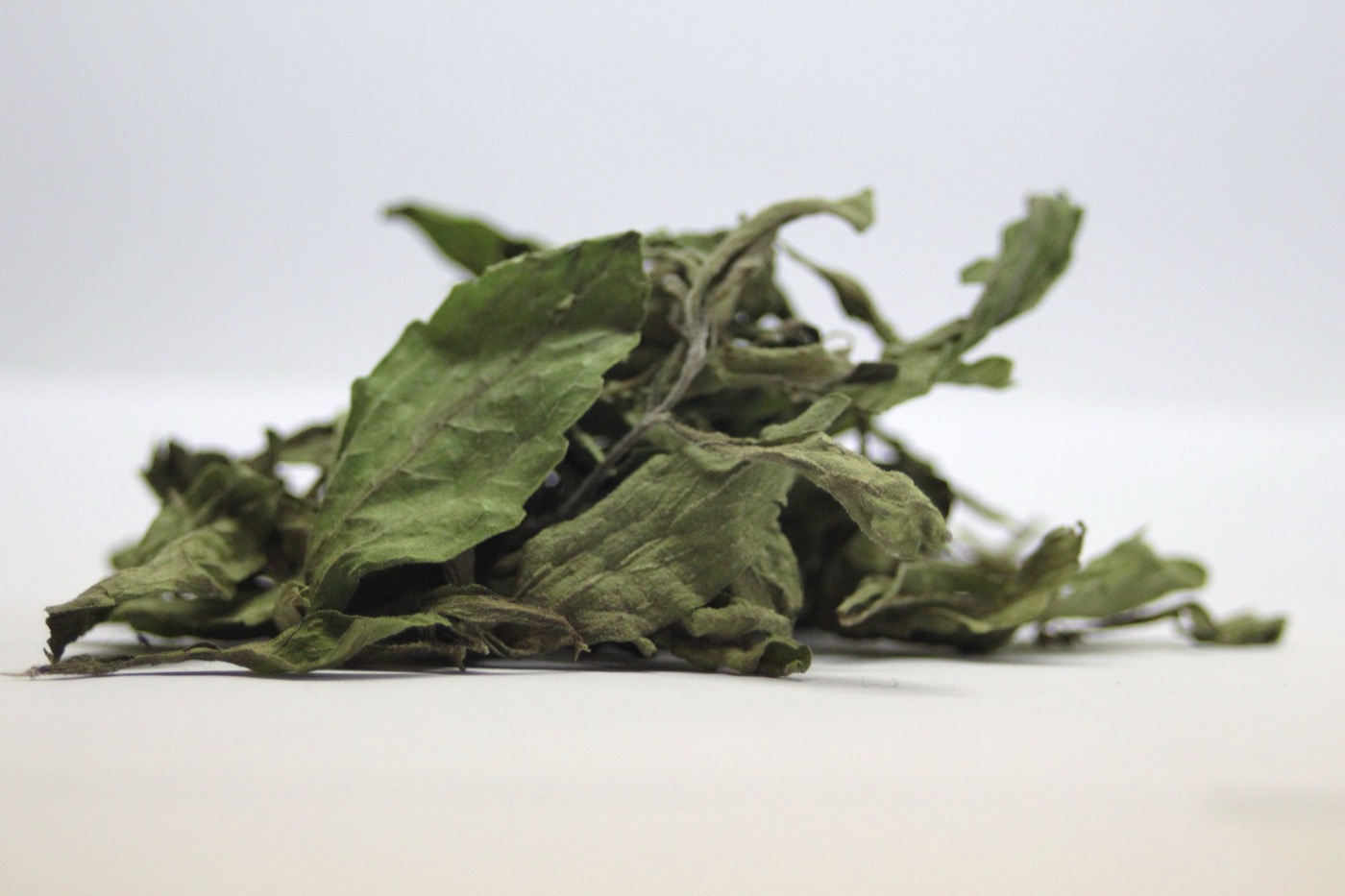
Stevia sweetener (table-top)
Steviol glycosides at 95% minimum blended with a bulking agent to a stated sucrose equivalence, supplied as bulk powder, stick packs and sachets, or compressed tablets. Vegan, with no declarable allergens.
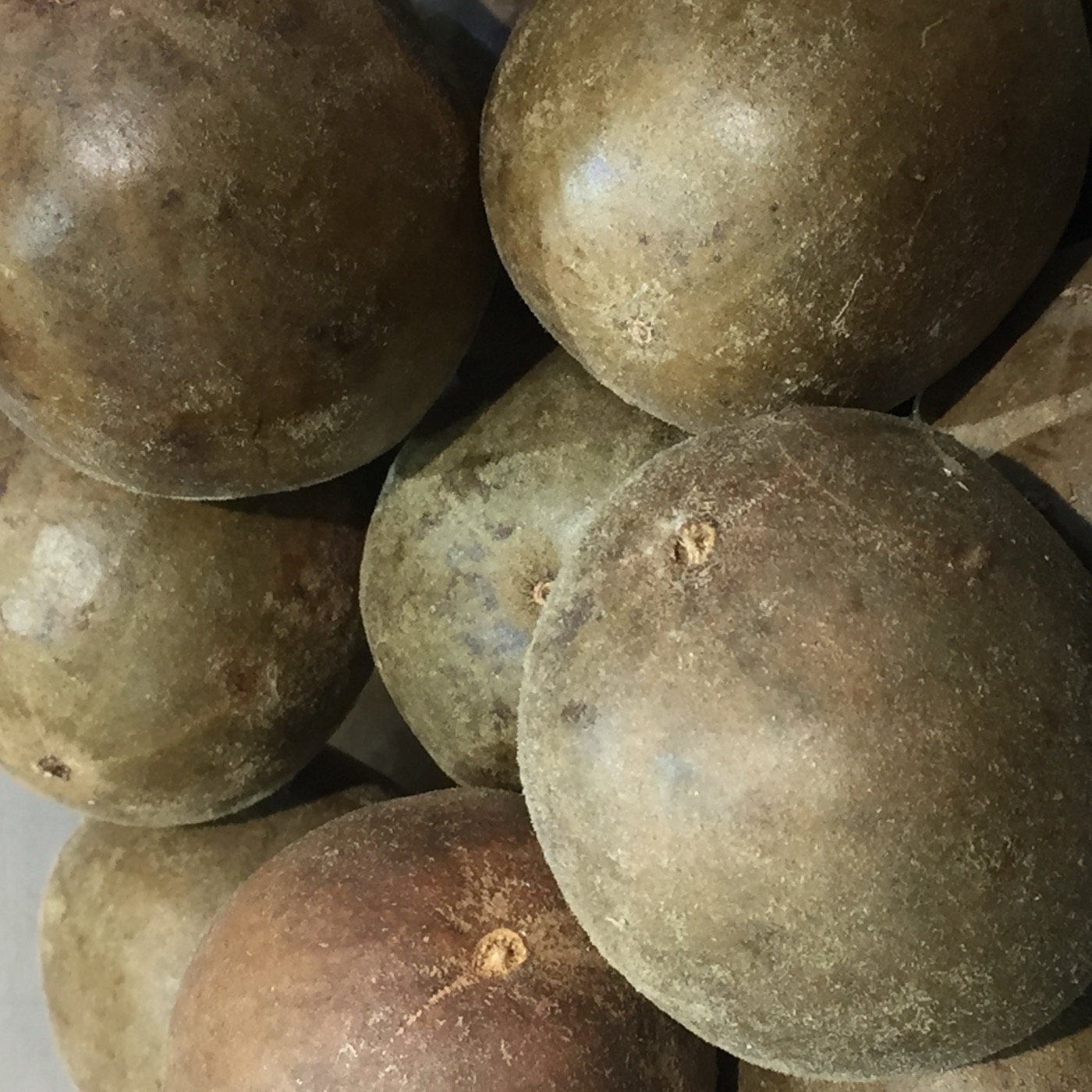
Monk fruit sweetener
Siraitia grosvenorii fruit extract standardised to mogroside V at 25%, 40% or 50% by HPLC. Water-soluble, heat and acid stable, non-nutritive. Chinese-origin fruit, vegan, no declarable allergens.
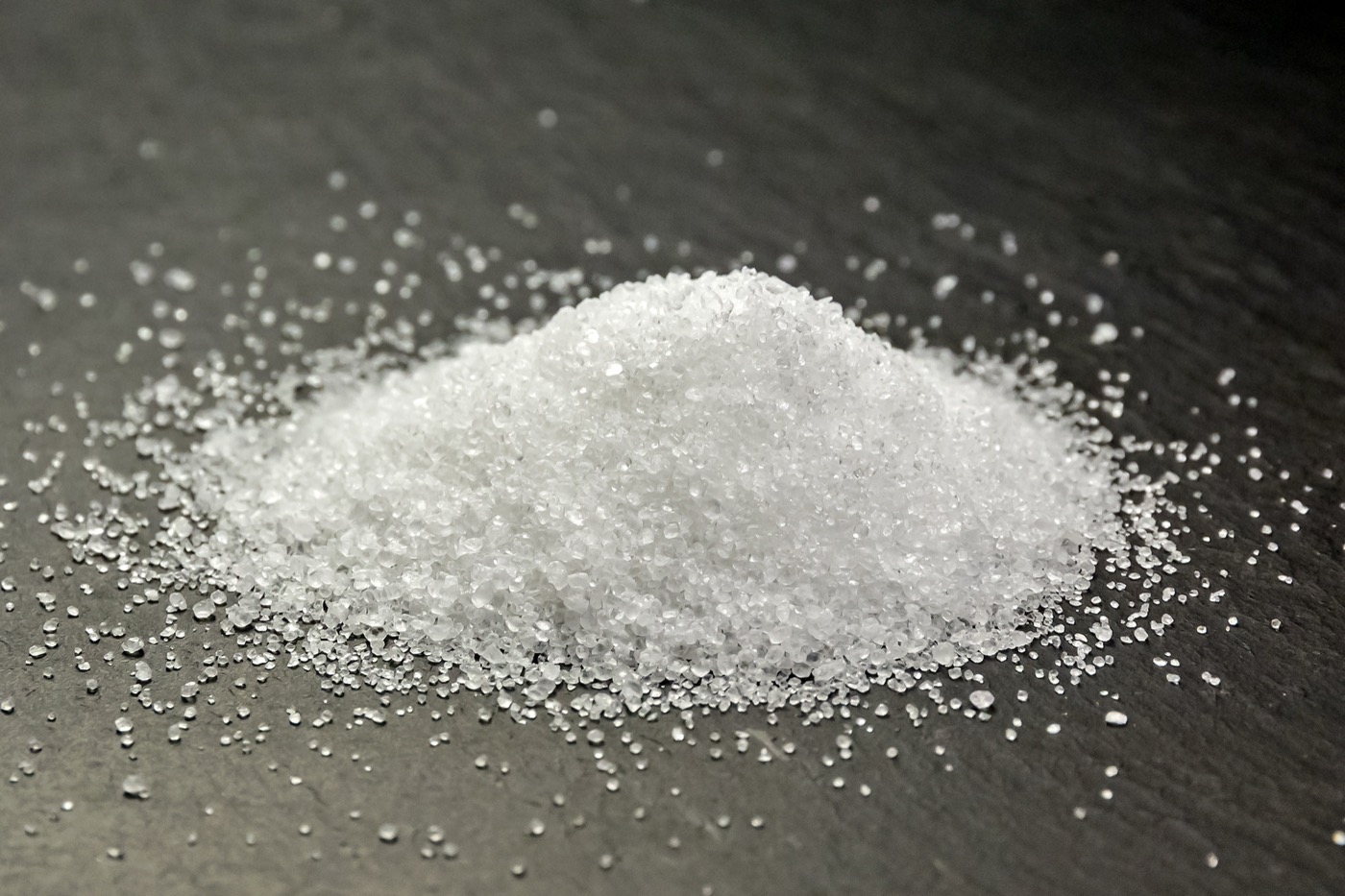
Erythritol
Fermentation-derived four-carbon polyol, food additive E968, assaying not less than 99% after drying. Around 60-70% the sweetness of sucrose, zero kcal/g under EU labelling, with a clean endothermic cooling note.