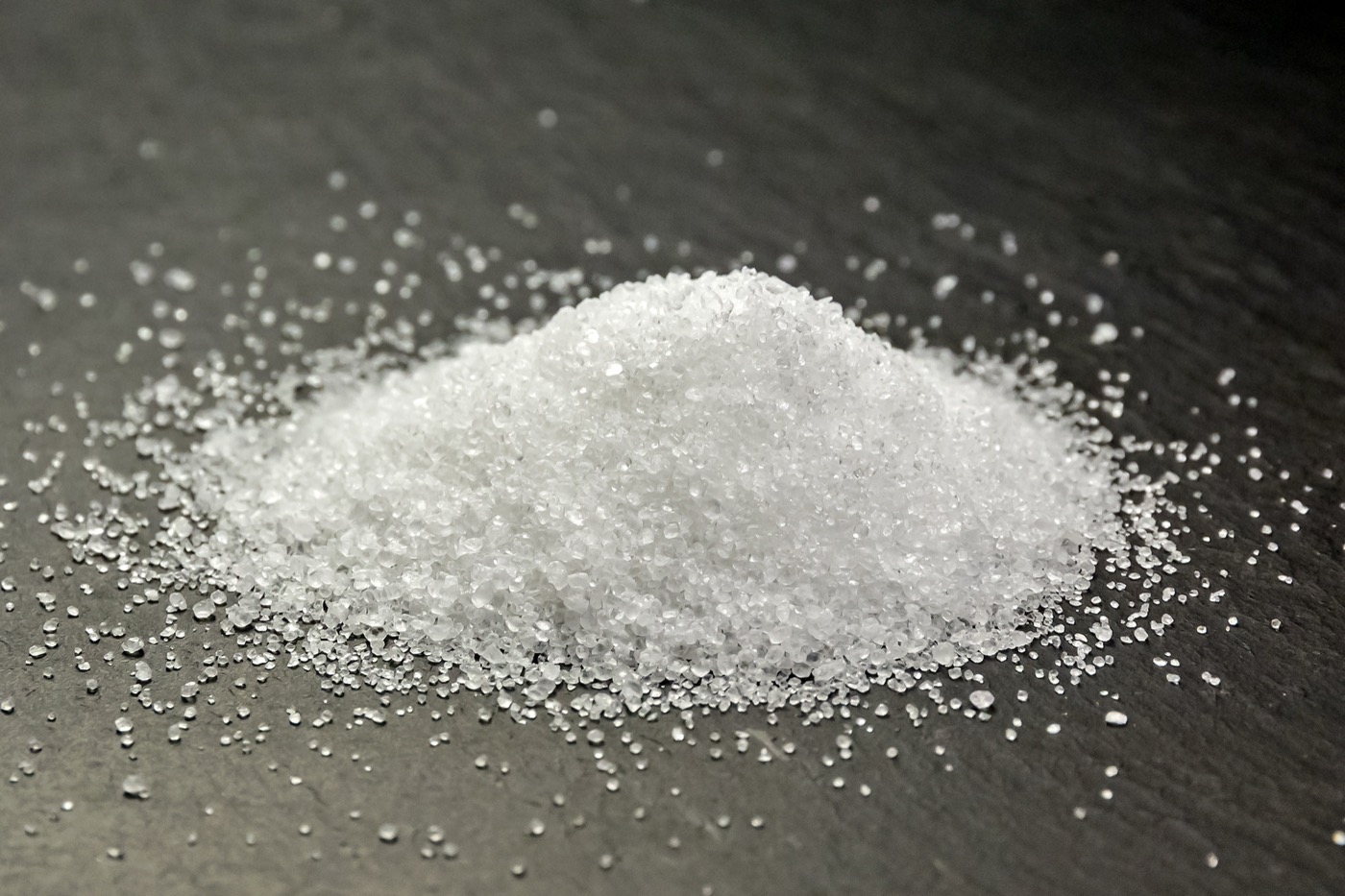
Erythritol
Fermentation-derived four-carbon polyol, food additive E968, assaying not less than 99% after drying. Around 60-70% the sweetness of sucrose, zero kcal/g under EU labelling, with a clean endothermic cooling note.
Specifications
| Chemical name | meso-Erythritol (butane-1,2,3,4-tetrol); tetrahydric sugar alcohol (polyol) |
| CAS number | 149-32-6 |
| Molecular formula / weight | C4H10O4 / 122.12 g per mol |
| Food additive number | E968 (INS 968) |
| Appearance | White, odourless crystalline granules or free-flowing powder; practically non-hygroscopic, non-caking |
| Assay | Not less than 99% erythritol after drying, per the EU purity criteria for E968 |
| Purity limits | Loss on drying NMT 0.2% (70 C, 6 h, vacuum desiccator); sulphated ash NMT 0.1%; reducing substances NMT 0.3% as D-glucose; ribitol and glycerol NMT 0.1% |
| Heavy metals | Lead not more than 0.5 mg/kg (EU specification for E968); full elemental impurity panel available on request |
| Sweetness and energy | 60-70% the sweetness of sucrose; energy conversion factor 0 kcal/g under EU Regulation 1169/2011 Annex XIV; glycaemic index measured at zero |
| Solubility and thermal behaviour | About 37% w/w in water at 25 C; melting point 121 C; strongly endothermic dissolution (reported near -180 J/g) giving a cooling mouthfeel; no Maillard browning |
| Manufacture | Fermentation of a carbohydrate feedstock by food-grade osmophilic yeasts such as Moniliella pollinis or Moniliella megachiliensis, followed by purification and drying |
| Origin and allergens | Vegan and vegetarian, non-animal; free of milk, egg, soy, fish, crustacean and nut sources; gluten status follows the glucose feedstock (maize or wheat) and is declared per lot |
| Shelf life and storage | 24 months unopened; store below 25 C in a dry, odour-free area and reseal the liner after part use |
| HS code | 29054900 (India ITC-HS) |
Applications
Available grades
Food grade to the E968 / INS 968 purity criteria in granular, fine crystalline and milled (impalpable) cuts against an agreed particle size distribution; a directly compressible grade for chewables and lozenges; and an excipient grade where a pharmacopoeial-style monograph, residual solvent and elemental impurity dossier is required. Non-GMO declarations and kosher or halal certificates supplied where the producing site holds them.
Related products
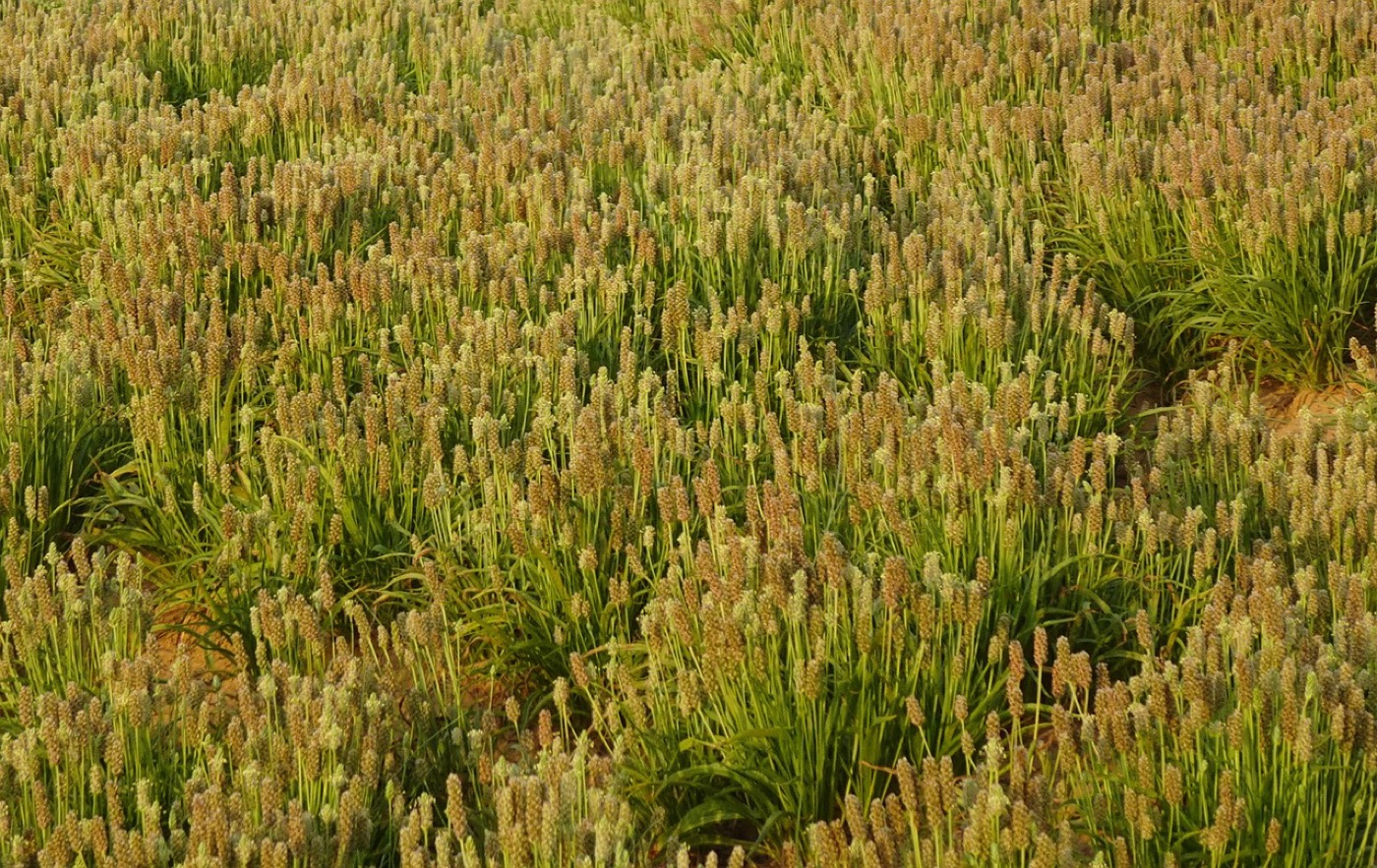
Psyllium husk (Isabgol)
Plantago ovata seed husk from north Gujarat, graded 85% to 99% USP on light extraneous matter, swell volume 40 mL/g minimum. Whole flakes at 40 mesh or milled to 60-200 mesh. Vegan and tested gluten-free.
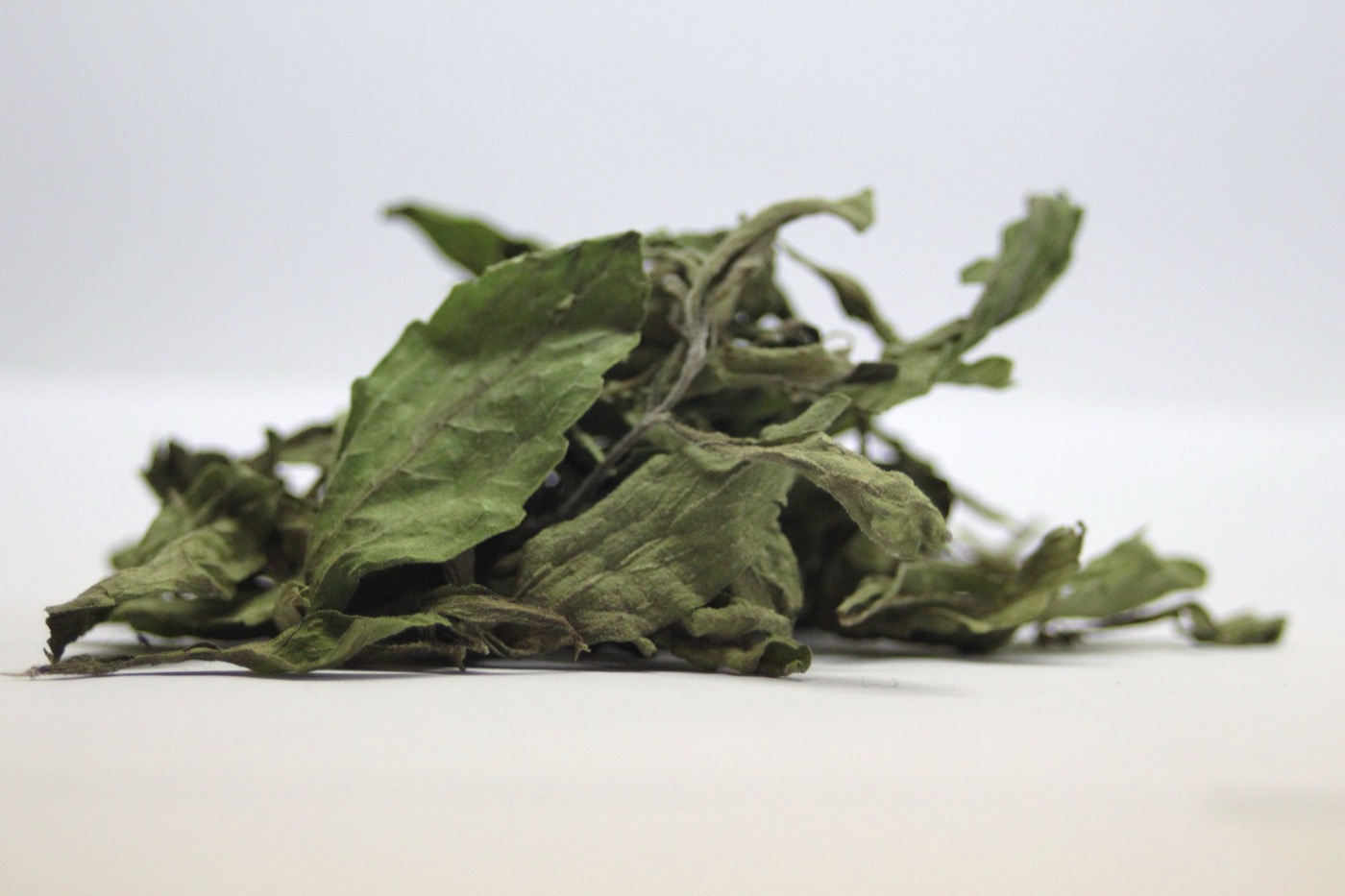
Stevia sweetener (table-top)
Steviol glycosides at 95% minimum blended with a bulking agent to a stated sucrose equivalence, supplied as bulk powder, stick packs and sachets, or compressed tablets. Vegan, with no declarable allergens.
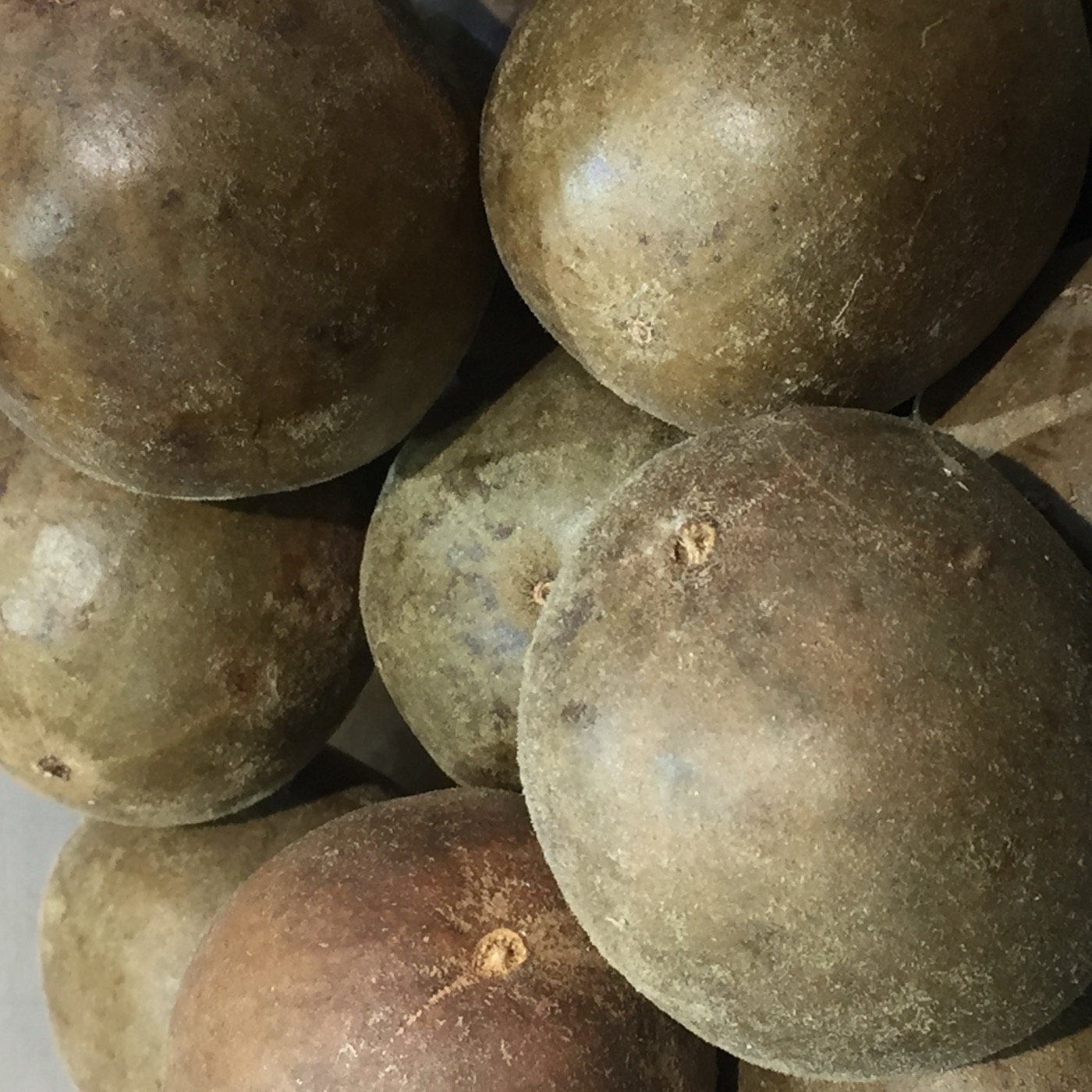
Monk fruit sweetener
Siraitia grosvenorii fruit extract standardised to mogroside V at 25%, 40% or 50% by HPLC. Water-soluble, heat and acid stable, non-nutritive. Chinese-origin fruit, vegan, no declarable allergens.