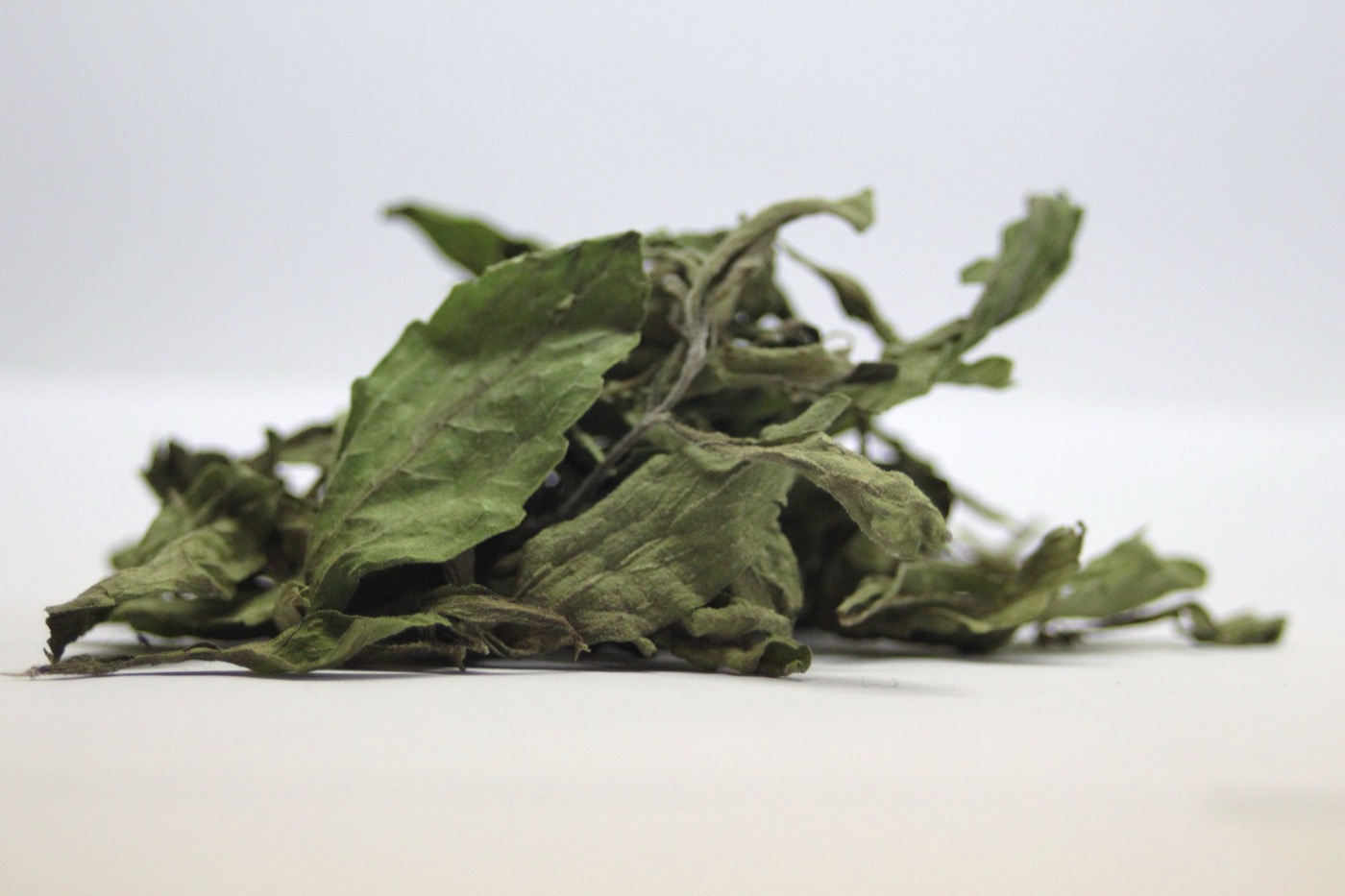
Stevia sweetener (table-top)
Steviol glycosides at 95% minimum blended with a bulking agent to a stated sucrose equivalence, supplied as bulk powder, stick packs and sachets, or compressed tablets. Vegan, with no declarable allergens.
Specifications
| Product form | A blend, not a single chemical: steviol glycosides carried on a bulking agent and put up as bulk powder, sachets and stick packs, or compressed tablets in dispensers. |
| Sweetener identity | Steviol glycosides, INS 960 / E 960. Principal glycosides stevioside (CAS 57817-89-7, C38H60O18) and rebaudioside A (CAS 58543-16-1, C44H70O23). |
| Sweetener assay | Not less than 95% of the total of the seven named steviol glycosides on the dried basis (JECFA). Rebaudioside A fraction specified at 60%, 80% or 97% minimum. |
| Botanical source | Leaves of Stevia rebaudiana (Bertoni) Bertoni, Asteraceae. Hot-water extraction, adsorption resin, alcohol release, recrystallisation from aqueous ethanol (JECFA route). |
| Sweetening power | The glycosides are about 200 to 300 times sweeter than sucrose (JECFA). The finished blend is built to a sucrose equivalence agreed before the first production lot. |
| Bulking agent options | Erythritol for spoon-for-spoon volume and cooling mouthfeel; maize or tapioca maltodextrin on cost; inulin or FOS where the label is to carry fibre. Fixed at order. |
| Appearance, solubility and purity | Glycoside input: white to light yellow powder, slightly soluble in water and ethanol; loss on drying not more than 6% at 105 C, lead not more than 1 mg/kg (JECFA). |
| Intake reference | JECFA set an ADI of 0-4 mg/kg body weight per day expressed as steviol at its 69th meeting; per-glycoside conversion factors give the steviol equivalents. |
| Polyol labelling | A pack with more than 10% added polyols must carry the 'excessive consumption may produce laxative effects' statement under Annex III of Regulation (EU) No 1169/2011. |
| Allergen status | No milk, egg, fish, crustacean, mollusc, soy, peanut, tree nut, sesame, celery, mustard or lupin. Maltodextrin specified from maize or tapioca, never wheat. |
| Origin status | Vegan and vegetarian. No bovine, porcine or marine input; no gelatin, lactose or dairy carrier used anywhere in the blend. Non-GMO builds available on request. |
| Regulatory status | India: permitted non-nutritive sweetener with category limits; FSSAI Nov 2023 advisory excludes cocoa, chocolate and imitation chocolate. EU: E 960. US: GRAS. |
| Shelf life and storage | 24 months unopened from manufacture below 25 C and 65% RH. Erythritol-rich blends are hygroscopic and cake in humid air; keep sealed and store with desiccant. |
| HS code | India ITC-HS 2106 90 99 (21069099) for the table-top blend, 18% GST. Bulk glycosides with no carrier go to 2938 90 90. See the classification note below. |
Applications
Available grades
Steviol glycoside input at 95% minimum total glycosides (JECFA/FCC), with rebaudioside A fractions at 60%, 80% and 97% minimum. Blends built to whatever sucrose equivalence the brand specifies, from 1:1 spoon-for-spoon volume matching to concentrated builds, on erythritol, maize or tapioca maltodextrin, inulin/FOS or a combination. Formats: bulk powder, 0.5-1.0 g stick packs and sachets, and compressed tablets. Organic-certified and non-GMO builds, kosher and halal certification on request.
Related products
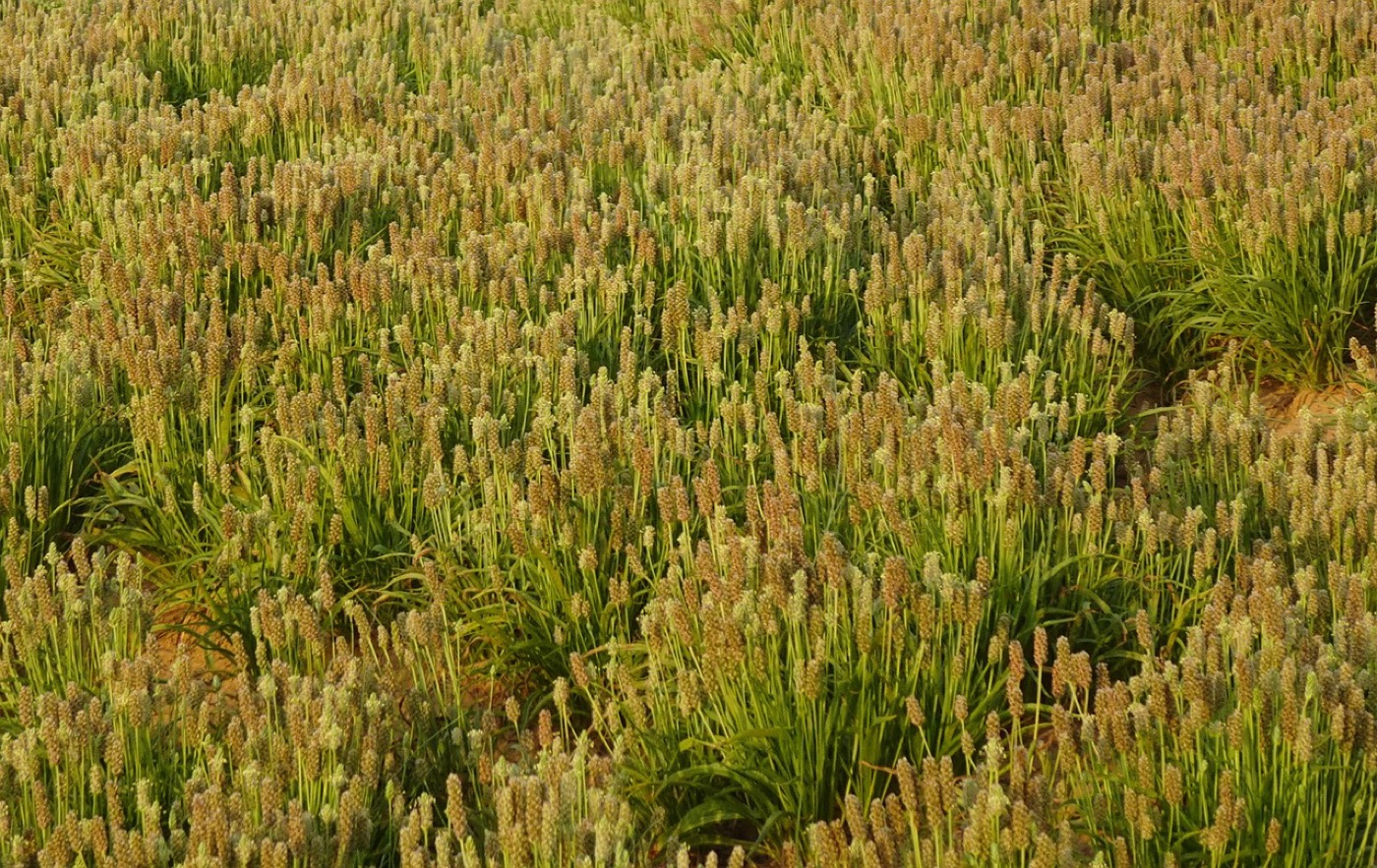
Psyllium husk (Isabgol)
Plantago ovata seed husk from north Gujarat, graded 85% to 99% USP on light extraneous matter, swell volume 40 mL/g minimum. Whole flakes at 40 mesh or milled to 60-200 mesh. Vegan and tested gluten-free.
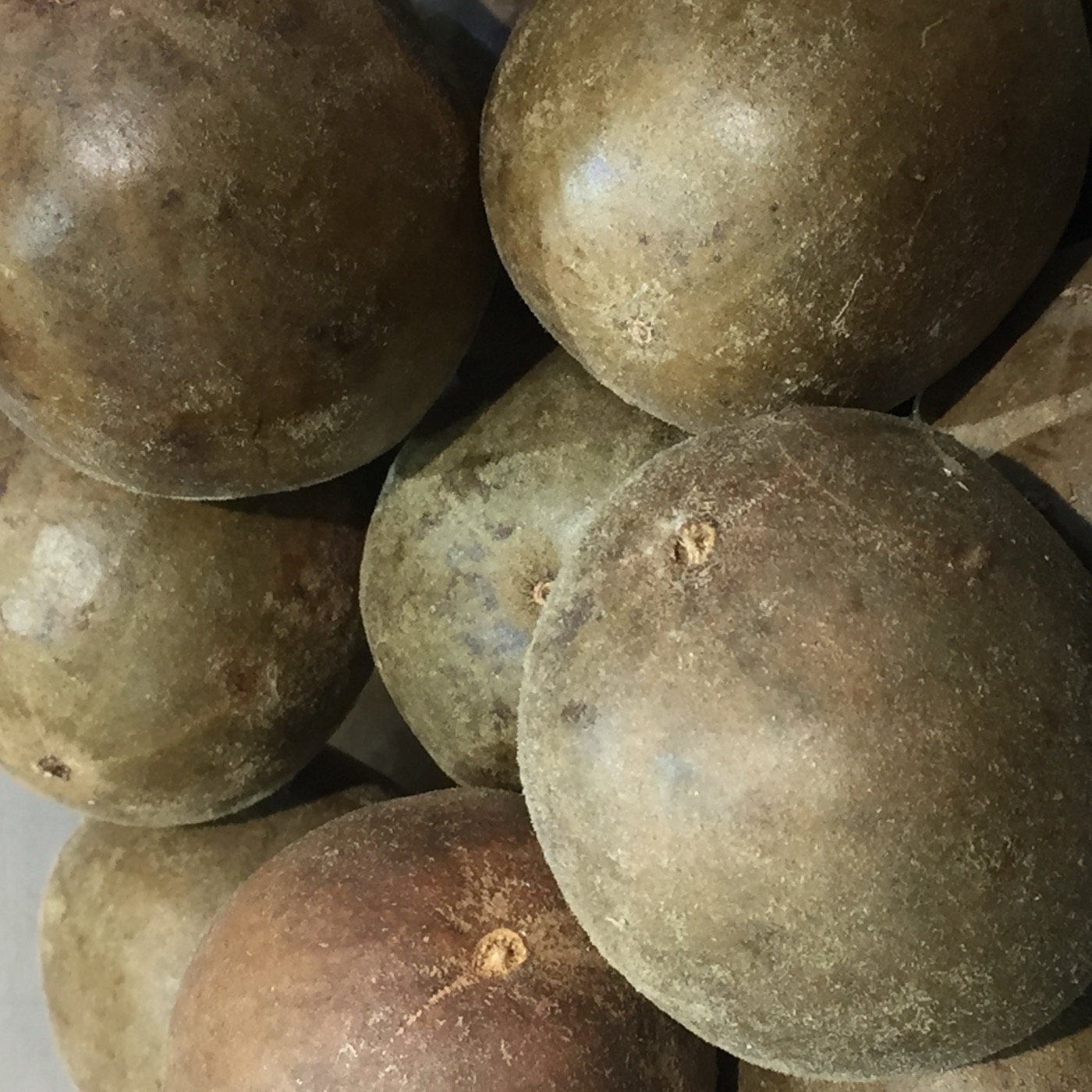
Monk fruit sweetener
Siraitia grosvenorii fruit extract standardised to mogroside V at 25%, 40% or 50% by HPLC. Water-soluble, heat and acid stable, non-nutritive. Chinese-origin fruit, vegan, no declarable allergens.
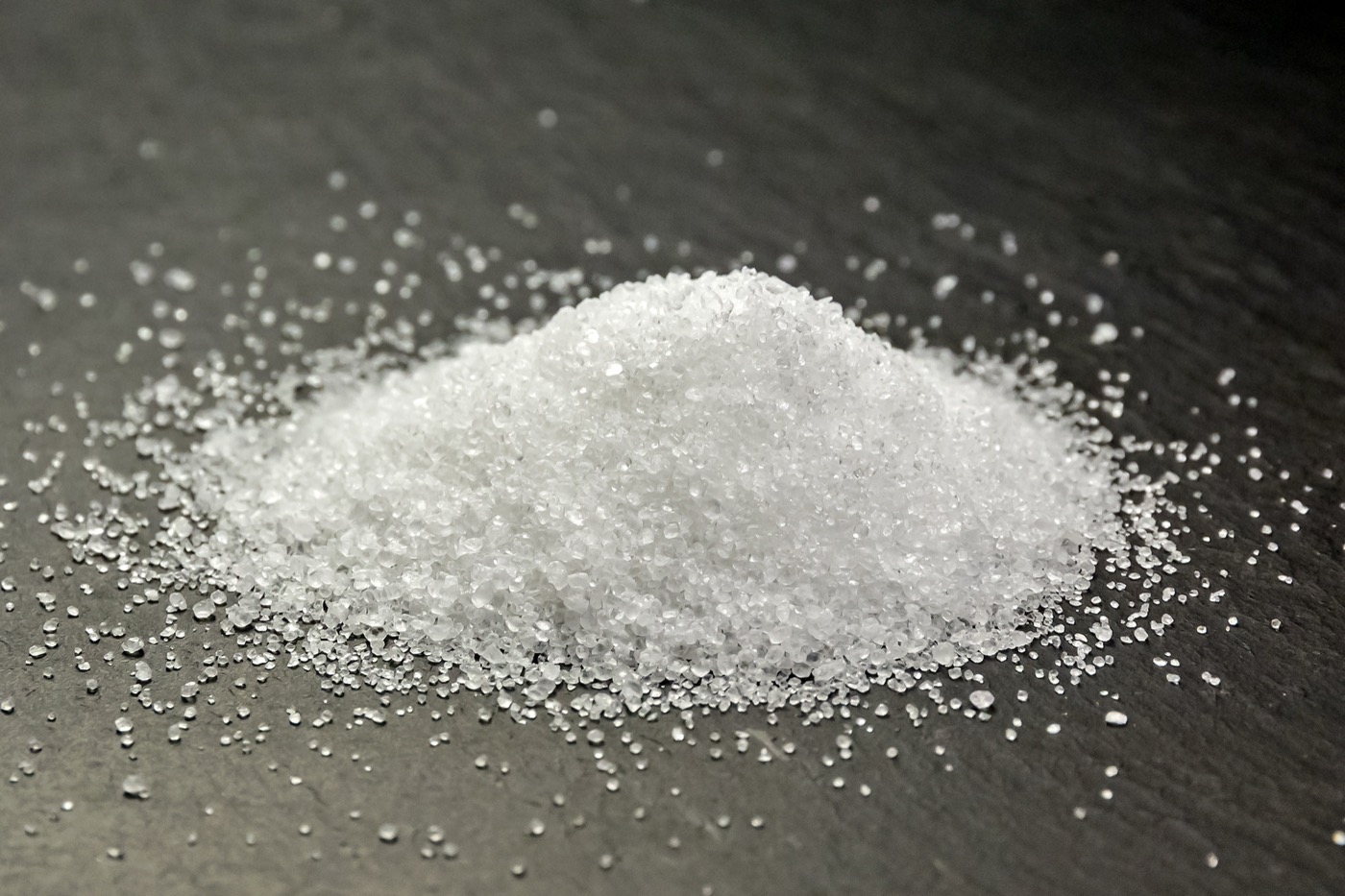
Erythritol
Fermentation-derived four-carbon polyol, food additive E968, assaying not less than 99% after drying. Around 60-70% the sweetness of sucrose, zero kcal/g under EU labelling, with a clean endothermic cooling note.